_Image_1.png "Branded Short Links Increase Trust and Conversions (Here’s Why They Work Better Than You Think)")

Let’s be honest—most people don’t click links blindly anymore.
There’s always that tiny pause. That half-second where your brain goes, “Wait… where is this taking me?”
And whether we admit it or not, the way a link looks plays a bigger role in that decision than we think.
Now here’s where it gets interesting. When you switch from generic links to branded ones, something subtle changes. People don’t just see a link—they see you. Or at least, something familiar enough to trust.
That small shift? It can quietly improve both trust and conversions in ways that aren’t obvious at first glance.
Why Trust Is the Real Currency Online
If you strip away all the strategies, tools, and tactics, most marketing comes down to one thing: trust.
No trust, no click.
No click, no conversion.
Simple.
But trust online isn’t built through big statements or flashy claims. It’s built through small signals—tiny cues that tell users, “This feels safe.”
And links are one of those signals.
You might not think about it often, but every link you share is either reinforcing trust… or creating doubt.
What Makes a Link Feel Trustworthy?
This is one of those things that’s easier to feel than explain.
A trustworthy link usually has:
- Clarity
- Familiarity
- Consistency
When a link looks clean and recognizable, people don’t question it as much.
On the other hand, a random string of characters? It feels uncertain. Even if it’s completely safe.
That hesitation matters. Because in digital behavior, hesitation often leads to inaction._Image_1.png)
Where Branded Short Links Change the Game
So what exactly is a branded short link?
It’s a shortened URL that includes your brand name instead of a generic domain.
Instead of something like:
- bit.ly/3xA9kL2
You get:
- yourbrand.link/offer
It’s a small change, but it carries a different kind of weight.
It tells users, “This is coming from a known source.”
And that recognition—even if it’s subtle—makes people more comfortable clicking.
The Connection Between Trust and Conversions
Let’s connect the dots.
When someone trusts your link, they’re more likely to click it.
When they click without hesitation, they arrive with a more positive mindset.
And when that mindset is positive, conversions become more likely.
It’s not a straight line, but it’s definitely connected.
You’re not just improving clicks—you’re improving the quality of those clicks._Image_2.png)
A Small Observation (That’s Easy to Miss)
You might notice this if you pay attention to your own behavior.
When you see a branded link from a source you recognize, you don’t overthink it. You just click.
But when the link looks unfamiliar or messy, you pause. Sometimes you skip it entirely.
That difference—click vs hesitation—is where branded short links start to make an impact.
Consistency Builds Recognition (And Recognition Builds Trust)
Branding isn’t about one moment. It’s about repetition.
The more often people see your brand in a consistent way, the more familiar it becomes.
Branded short links contribute to that consistency.
Every time someone sees your link:
- In a post
- In an email
- In a message
They’re seeing your brand again.
It’s subtle, almost invisible. But over time, it builds recognition. And recognition reduces doubt.
Why Generic Links Can Hurt More Than You Think
This part is a bit uncomfortable, but worth mentioning.
Generic short links don’t just lack branding—they sometimes create suspicion.
People have seen enough spam, phishing attempts, and random redirects to be cautious. So when a link looks unfamiliar, it triggers that caution.
Even if your content is completely legitimate, the link itself might be working against you.
That’s not something most marketers consider—but it’s happening quietly in the background.
The Conversion Side of the Story
Now let’s talk about conversions in a more practical sense.
A conversion doesn’t always mean a sale. It could be:
- A signup
- A download
- A click to another page
Whatever the goal is, it starts with a user taking action.
Branded short links help remove one of the early barriers to that action.
They don’t guarantee conversions, of course. But they create a smoother path toward them.
And smoother paths tend to perform better.
Where Branded Links Make the Biggest Impact
Not every situation requires a branded link, but there are certain places where they really shine.
Think about:
- Social media posts
- Email campaigns
- Affiliate links
- Mobile browsing
In these environments, users are making quick decisions. They don’t have time to analyze every detail.
A clean, branded link fits naturally into that flow. It doesn’t interrupt—it supports.
It’s Not Just About Looks (But That Helps Too)
Let’s not ignore the obvious—branded links look better.
They’re cleaner. Shorter. Easier to read.
But beyond aesthetics, they feel more intentional.
And intention is something users pick up on, even if they don’t consciously think about it.
A well-presented link suggests that the content behind it is also well thought out.
A Practical Way to Approach This
If you’re considering using branded short links, don’t overcomplicate it.
Start small.
Use them in places where your links are most visible. Pay attention to how people respond—not just in terms of clicks, but overall engagement.
Over time, you’ll start to notice patterns.
Maybe your emails get slightly better click rates. Maybe your social posts feel more consistent.
It won’t be dramatic. But it will be noticeable.
The Long-Term Effect (This Is Where It Gets Interesting)
Short-term gains are nice, but the real value shows up over time.
As your audience becomes familiar with your branded links, something shifts.
They stop questioning them.
They start recognizing them.
And eventually, clicking becomes almost automatic.
That’s when you know trust has been built—not through one big moment, but through consistent, small interactions.
A Quick Reality Check
It’s important to keep expectations realistic.
Branded short links won’t fix a weak offer. They won’t replace good content. And they won’t instantly double your conversions.
What they do is support everything else you’re doing.
They remove friction.
They build trust.
They improve presentation.
And when all those elements come together, conversions naturally improve.
Conclusion
If you’ve been treating links as just a technical detail, you’re not alone.
Most people do.
But once you start seeing them as part of your brand experience, things change a bit. You realize that even small elements—like the structure of a URL—can influence how people feel and act.
Branded short links sit right in that space.
They’re simple. Practical. Easy to implement.
And quietly powerful.
If your goal is to build trust and improve conversions without overhauling your entire strategy, this might be one of the easiest places to start.
FAQs
1. What are branded short links?
They are shortened URLs that include your brand name instead of a generic link shortener.
2. Do branded links really increase conversions?
They can, by improving trust and reducing hesitation before clicks.
3. Are branded short links better than regular short links?
Yes, because they build recognition and feel more trustworthy.
4. Do they help with SEO?
Indirectly, by improving user engagement and click behavior.
5. Where should I use branded short links?
They work best in social media, emails, and marketing campaigns.
Tags
#BrandedLinks #DigitalMarketing #ConversionRate #SEOTips #OnlineTrust #MarketingStrategy #ContentMarketing #BusinessGrowth #LinkShortening #SEO2026
.png)
.png)
_Image_1.jpg)
_Image_1.png)

_Image_1.png)
 Replace Your Entire Marketing Funnel_Image_1.png)
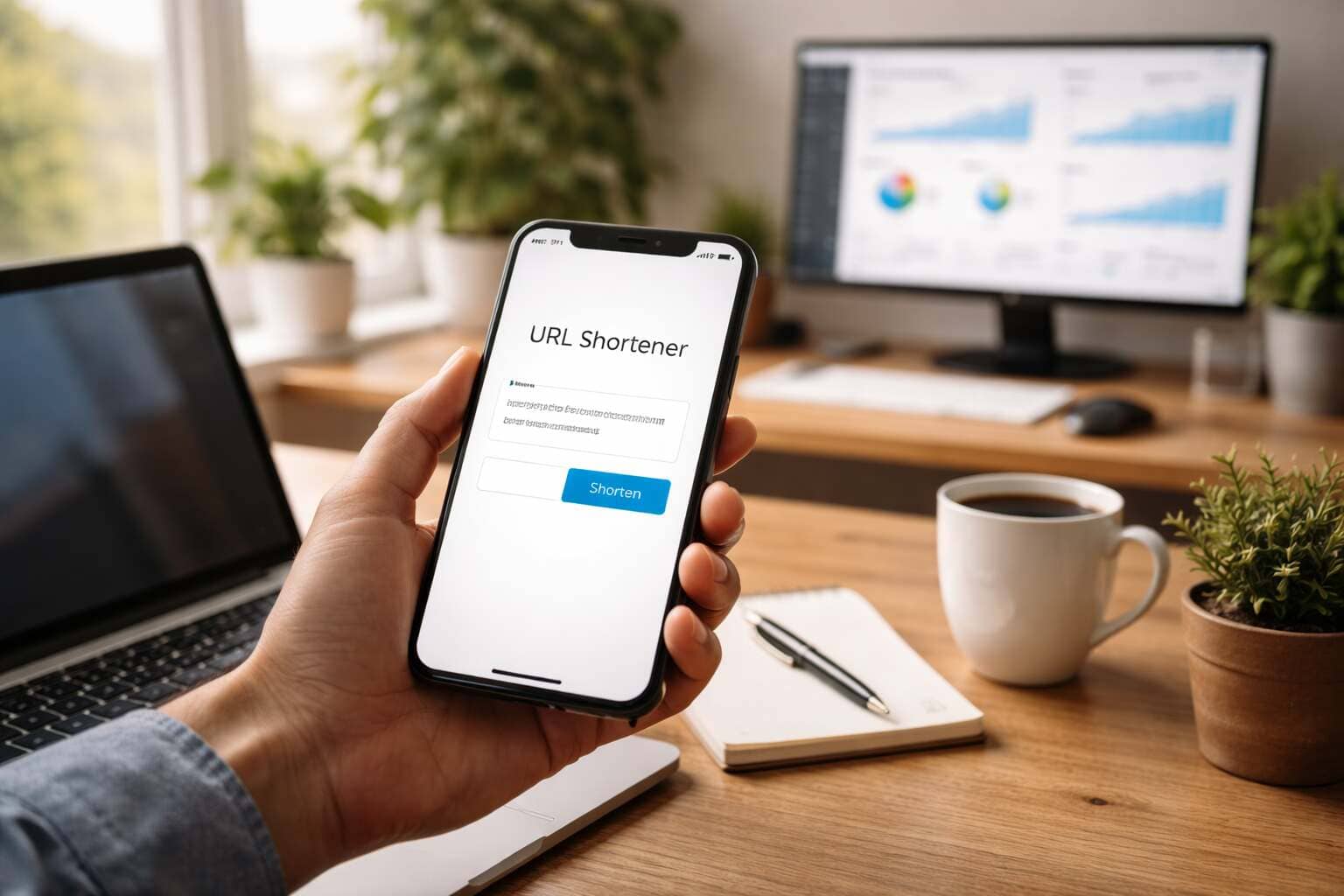
_Image_1.jpg)
_Image_1.jpg)
_Imgae_1.jpg)
_Image_1.jpg)
_Image_2.jpg)
_Image_1.jpg)

_Image_1.png)


.jpg)