_Image_1.png "Why Simple Short Links Still Win in 2026 (Even When Everything Else Got Complicated)")

There’s something almost funny about this.
In a digital world that’s getting more complicated by the minute—AI tools everywhere, hyper-personalized ads, algorithm shifts every other week—simple short links are still quietly doing their job… and doing it really well.
No hype. No dramatic reinvention. Just… working.
And honestly, that says a lot.
Because you’d think by now we’d have moved on to something flashier, right? Some smarter, more “intelligent” way to share links. But here’s the thing—when it comes to getting people to actually click, trust, and remember a link, simplicity still wins. Not sometimes. Consistently.
Let’s unpack why that’s still true in 2026.
The Psychology Behind Clicking (It’s Simpler Than We Admit)
People don’t click links because they’re technically impressive.
They click because they feel safe and make sense instantly.
That’s it.
You might notice this in your own behavior. When you see a long, messy URL packed with random characters, tracking parameters, and strange symbols… there’s a tiny moment of hesitation. Even if you don’t consciously think about it.
Something like:
“Hmm… what is this?”
Now compare that with a clean, simple short link. Maybe even a branded one. It feels intentional. Controlled. Almost… calmer.
Let’s be honest—we’re all a little more cautious online these days. Scams, phishing, shady redirects… They've trained people to pause before clicking.
Simple short links reduce that friction.
They don’t overwhelm the brain. They don’t raise suspicion. They just say, “Hey, this is straightforward.”
And that matters more than most marketers realize.
Short Links Fit How We Actually Use the Internet Now
Back in the day, links mostly lived on desktops. You had space. You had time. You didn’t mind a long URL stretching across your screen.
That’s not the world anymore.
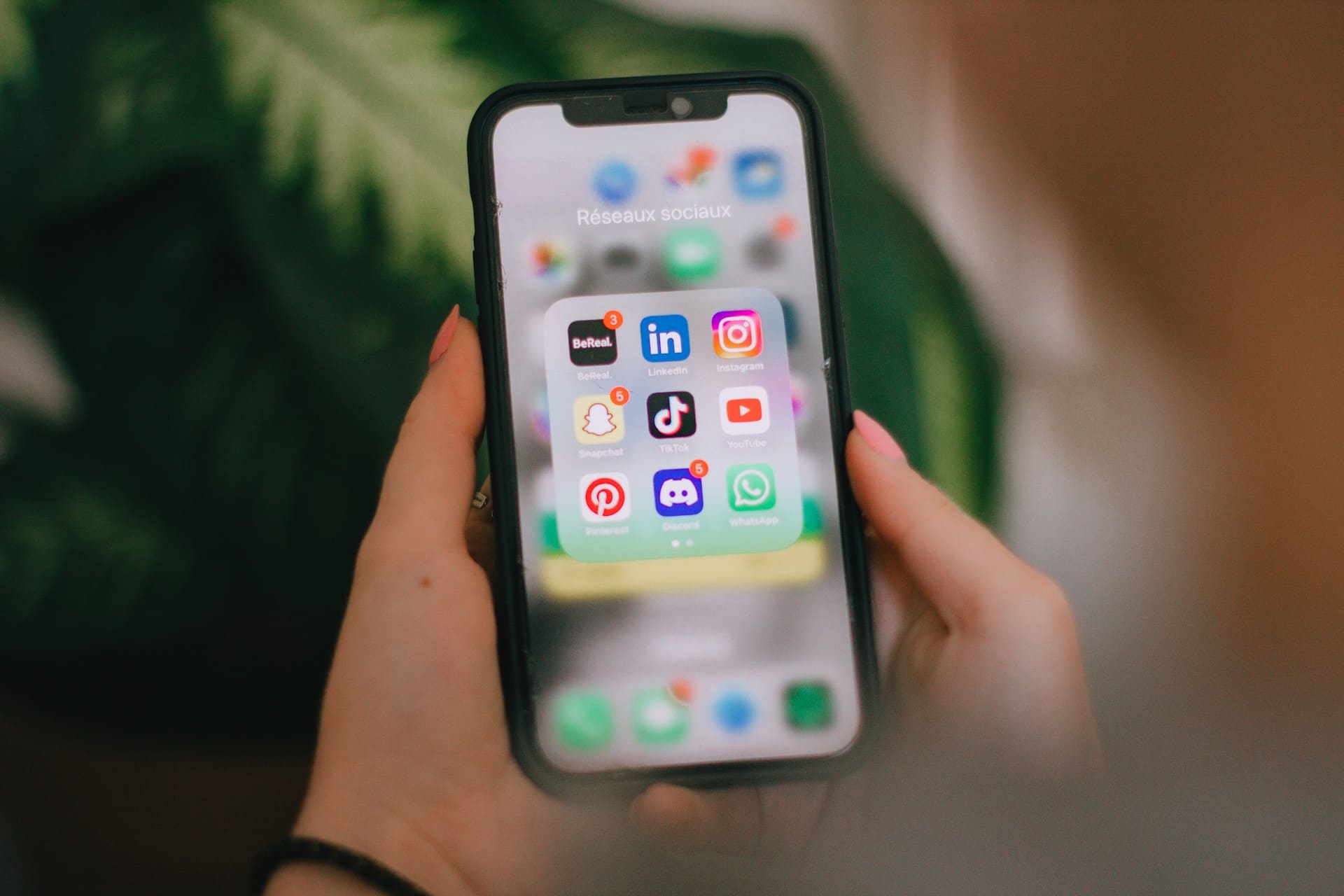
Now it’s all about quick interactions—scrolling on a phone, tapping links in stories, skimming through messages.
A long link in that environment feels… clunky.
It breaks the flow.
Simple short links, on the other hand, fit naturally into how we consume content now. They’re easy to tap, easy to read, and they don’t visually disrupt anything.
And maybe this sounds small—but small details add up.
A cleaner link inside a caption or message often feels more trustworthy. More clickable. Less like an afterthought._Image_1.png)
Branding Without Trying Too Hard
Here’s something people don’t talk about enough: short links can quietly strengthen your brand.
Not in an obvious, “look at this logo” kind of way. More subtle than that.
When you use consistent, clean links—especially branded ones—you start building familiarity. Even if people don’t consciously notice it, they begin to recognize the pattern.
It’s like seeing the same handwriting over time.
You don’t need to shout your brand everywhere. Sometimes just showing up consistently in small details (like links) does the job.
And in 2026, where attention is fragmented across platforms, that kind of subtle reinforcement actually matters more than big flashy campaigns.
They Work Better in Social Spaces (Still)
Social media has changed a lot, sure. Algorithms evolved, formats shifted, attention spans shrank.
But one thing hasn’t changed: people don’t like ugly links.
Especially in places like captions, bios, comments, or even DMs.
A long URL looks… messy. There’s no better word for it. It breaks the aesthetic, and in visual-first platforms, that’s a problem.
Simple short links slide in without friction.
They don’t distract from the content. They support it.
And here’s the interesting part—creators and brands that pay attention to these small presentation details tend to perform better over time. Not because of one big trick, but because everything feels more polished and intentional.
Tracking Without the Chaos
Now, someone might argue:
“But long URLs carry tracking parameters. Aren’t those important?”
Yes. Absolutely.
But here’s the catch—you don’t need to show all that complexity to the user.
Simple short links act like a clean front door… with all the technical tracking happening quietly behind it.
Best of both worlds.
You still get your analytics—clicks, sources, behavior—but the user sees something neat and digestible.
And honestly, hiding that complexity is part of good UX. People don’t need to see everything that’s happening under the hood._Image_2.jpg)
Memorability Is Underrated (But Powerful)
This one’s easy to overlook.
Most links are forgettable.
You click them, you move on, and they disappear from your brain within seconds.
But a well-crafted short link? That can stick.
Especially if it’s readable. Something like:
- yourbrand.co/guide
- yoursite.com/start
- go.yoursite.com/tips
You don’t have to memorize it—but you could.
And that’s the difference.
In a world flooded with disposable content, anything that improves recall—even slightly—is valuable.
They Reduce Decision Fatigue (Yes, Even Links Do That)
Here’s a thought that might sound a bit over the top… but it’s actually real.
Every tiny interaction online involves a decision.
“Do I click this?”
“Is this safe?”
“Is this worth it?”
Now imagine making hundreds of these micro-decisions every day.
It gets tiring.
Simple short links reduce that cognitive load. They remove unnecessary complexity from the decision.
There’s less to process. Less to question.
So the brain moves faster.
And when things feel easy, people are more likely to act.
SEO Isn’t Just About Keywords Anymore
Let’s shift gears for a second.
When we talk about SEO in 2026, it’s not just about keywords, backlinks, or technical optimization.
User behavior plays a bigger role than ever.
Click-through rates. Engagement. Trust signals.
Simple short links indirectly support all of these.
They encourage clicks. They reduce bounce hesitation. They improve how users interact with your content across platforms.
And while a short link itself isn’t a direct ranking factor, the behavior it influences absolutely is.
So in a roundabout way, yes—they still matter for SEO.
There’s Less Room for Clutter Now
This is something I’ve noticed more recently.
Digital spaces are getting… tighter.
Less patience. Less tolerance for clutter. Less forgiveness for anything confusing.
People expect things to just work—and to look clean while doing it.
Simple short links fit into that expectation perfectly.
They don’t demand attention. They don’t create friction.
They just quietly do their job.
And sometimes, that’s exactly what you need.
The “Invisible Advantage” Most People Miss
If you step back and look at it, simple short links don’t feel revolutionary.
They’re not exciting. They’re not trendy.
Which is probably why a lot of people overlook them.
But that’s also their strength.
They operate in the background, improving small parts of the user experience that—when combined—make a noticeable difference.
Better clicks. Better trust. Cleaner presentation.
It’s like good lighting in a room. You don’t always notice it directly, but you definitely feel the difference.
So… Why Haven’t They Been Replaced Yet?
Honestly?
Because nothing better has come along that solves the same problem as cleanly.
Sure, we have QR codes, smart links, deep linking systems, all kinds of advanced tools.
But when it comes to a simple, universal way to share something across platforms, devices, and contexts…
Simple short links still win.
They’re flexible. Familiar. Low-friction.
And in a world that’s constantly adding layers of complexity, anything that removes friction tends to stick around.
Final Thoughts (No Big Dramatic Ending, Just the Truth)
If you were expecting some groundbreaking revelation here, this probably isn’t it.
Simple short links aren’t exciting.
But they’re effective. Consistently.
And maybe that’s the real takeaway.
In 2026, not everything needs to be reinvented to stay relevant. Some tools just keep working because they align with how people think, behave, and interact online.
And when something does that well… it doesn’t go away.
It just quietly keeps winning.
FAQs
1. Are simple short links still relevant for SEO in 2026?
Yes, not directly as a ranking factor, but they improve user behavior like click-through rates and engagement, which influence SEO performance.
2. Do short links affect user trust?
They can—especially if they’re clean or branded. Messy, long URLs often create hesitation, while simple short links feel more reliable.
3. Can I still track analytics with short links?
Absolutely. Most short link tools allow full tracking while keeping the visible URL clean and user-friendly.
4. Are branded short links better than generic ones?
Generally, yes. Branded links reinforce recognition and feel more trustworthy than random shortened URLs.
5. Where should I use short links the most?
They work best in social media posts, emails, SMS, bios, and anywhere space or readability matters.
Tags
#shortlinks #seo2026 #digitalmarketing #linkoptimization #userexperience #contentmarketing #branding #onlinemarketing #linkbuilding #webstrategy
.png)
.png)
_Image_1.png)
_Image_1.jpg)
_Image_1.png)

 Replace Your Entire Marketing Funnel_Image_1.png)
_Image_1.jpg)
_Image_1.jpg)
_Imgae_1.jpg)
_Image_1.jpg)
_Image_2.jpg)

_Image_1.jpg)

_Image_1.png)


.jpg)