It’s kind of strange when you think about it.
We live in a time where every tool is trying to do more — more features, more dashboards, more “insights.” Everything is getting smarter, heavier, and honestly… a bit overwhelming.
And yet, minimal URL shorteners — the simplest tools you can imagine — are still being used by millions of people every single day.
No login. No analytics. No fancy UI.
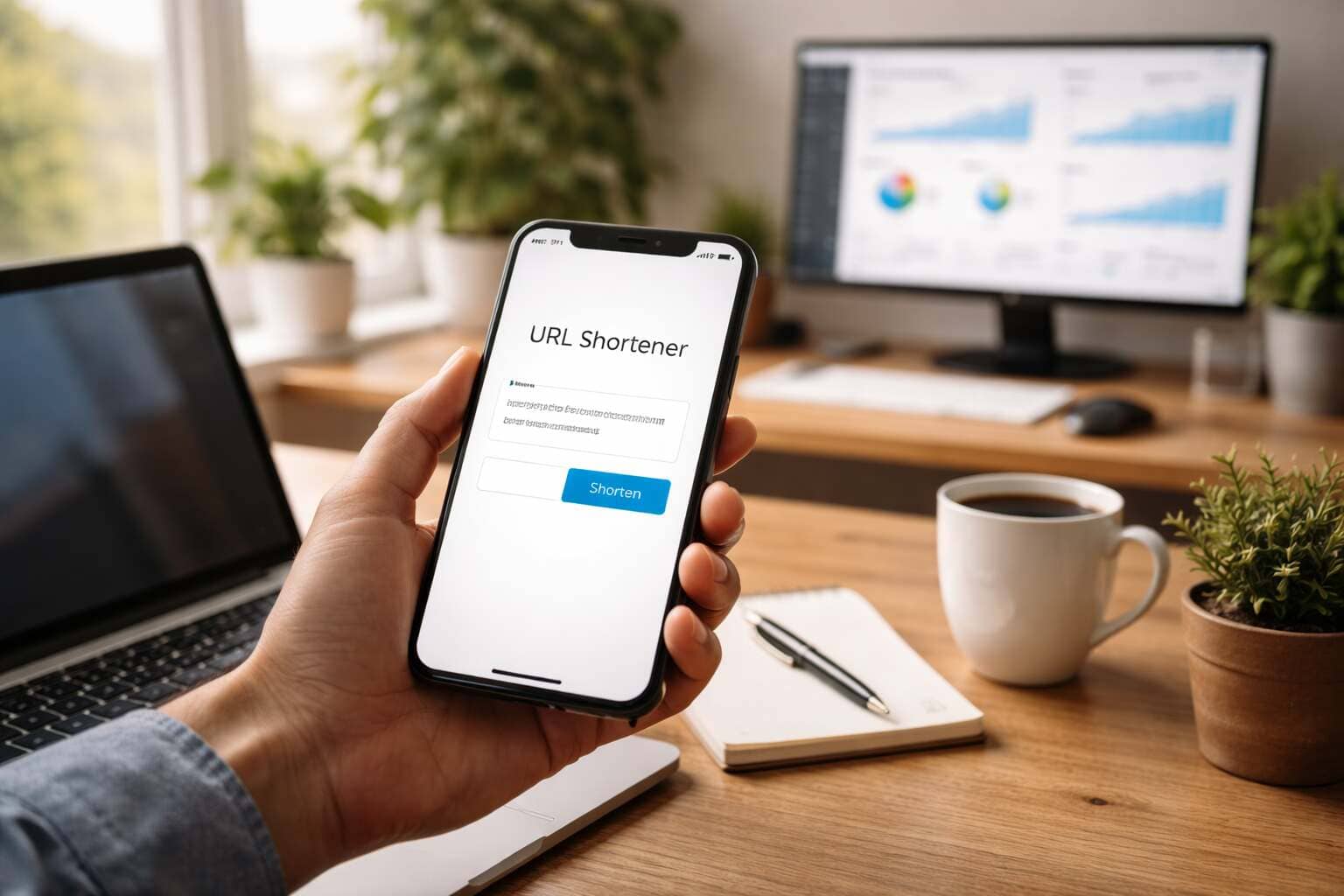
Just a box, a button, and a result.
You’d expect them to disappear by now. But they haven’t. And that’s not an accident.
Simplicity isn’t outdated — it’s intentional
Here’s the thing.
Not everyone is looking for a “tool” when they shorten a link. Most people are just trying to solve a small problem quickly.
They’ve got a long URL. They need a short one. That’s it.
No one wakes up thinking, “I want to analyze my link performance today.”
So when a tool shows up and does exactly what’s needed — nothing more, nothing less — it feels right.
There’s no friction. No thinking involved. And that matters more than we usually admit.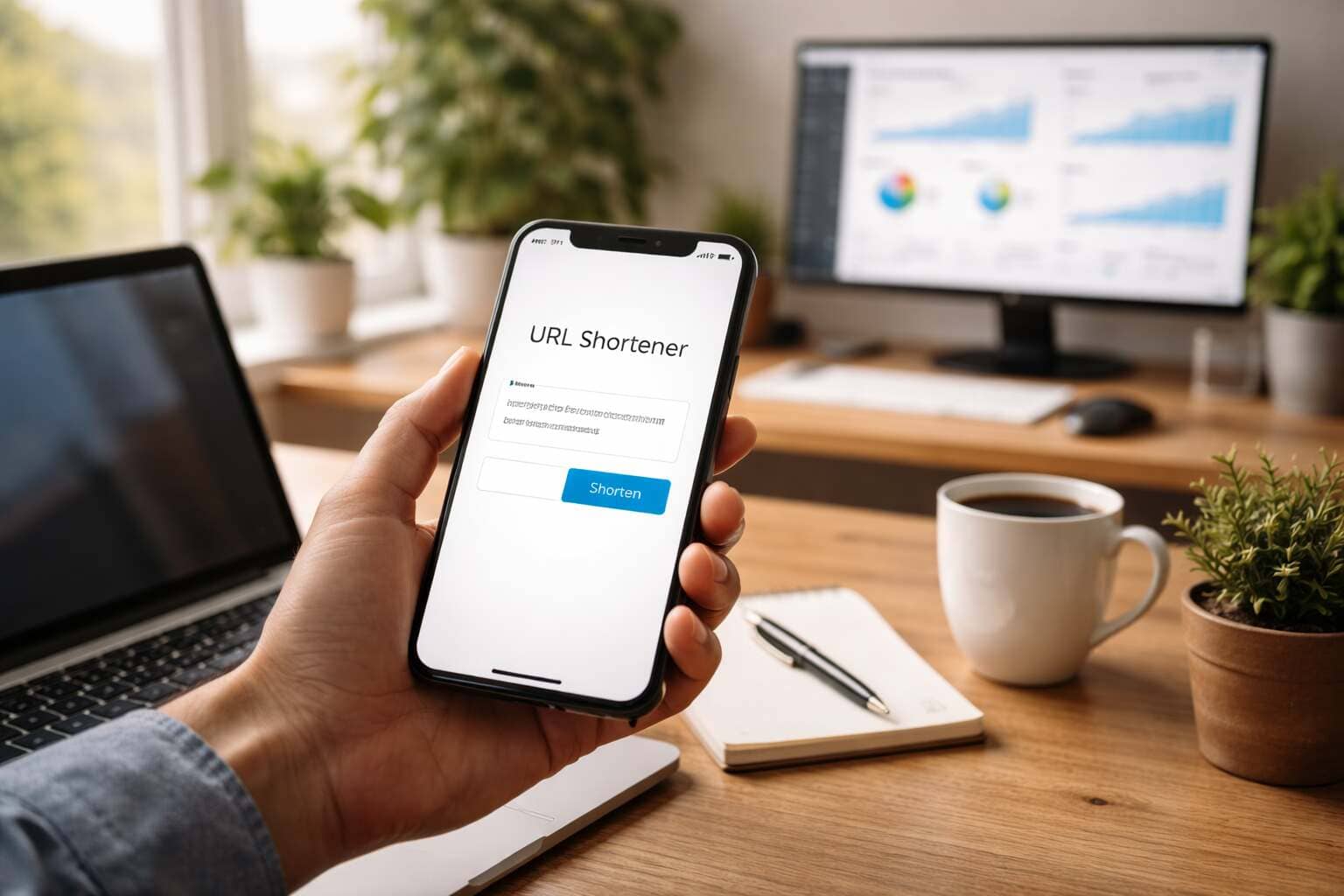
People don’t always want features — they want speed
You might notice this if you pay attention to your own behavior.
Let’s say you need to shorten a link quickly. You’re in the middle of something. Maybe replying to someone, maybe posting something.
Do you really want to:
- Create an account
- Verify your email
- Navigate a dashboard
Or do you just want to paste the link and move on?
Most people choose speed.
And minimal URL shorteners are built entirely around that idea.
They respect your time. They don’t slow you down.
There’s a kind of comfort in not being asked for anything
This part is subtle, but it’s real.
When a tool asks for nothing — no signup, no data, no setup — it feels easier to trust.
You don’t have to think about privacy. You don’t have to wonder what’s happening behind the scenes.
You just use it and leave.
In a world where almost everything wants your email, your attention, or your data… that simplicity feels refreshing.
Most people don’t need analytics (and that’s okay)
There’s this assumption online that everyone wants data.
Clicks, conversions, performance metrics — the whole package.
But if you look at how most people actually use short links, it’s pretty basic.
They’re sharing something. That’s it.
They’re not running campaigns. They’re not optimizing funnels. They’re just sending a link to someone.
In that situation, analytics doesn’t add much value.
It just adds complexity.
The moment things start to feel “too much”
You’ve probably experienced this.
You open a tool that’s supposed to help you… and within a few seconds, you feel slightly lost.
Too many options. Too many buttons. Too many decisions.
You hesitate. Maybe you even close it.
Minimal tools don’t create that moment.
There’s nothing to figure out. You already know what to do.
And that’s a big reason why people keep coming back to them.
It’s not about being “basic” — it’s about being focused
Some people look at minimal URL shorteners and think they’re limited.
But that’s not really the right way to look at it.
They’re not trying to do everything. They’re trying to do one thing really well.
And they do.
That focus makes them reliable. Predictable. Easy to use.
There’s no learning curve, no surprises.
You open it, you use it, and you’re done.
There’s also a habit factor people don’t talk about
Once someone finds a tool that works, they tend to stick with it.
Even if there are “better” options out there.
Minimal tools often become that go-to option.
You don’t bookmark it. You don’t think about it much.
But when you need it, you remember it.
That kind of quiet habit is powerful. It keeps users coming back without any effort.
Not every moment needs a “system”
This is something that’s easy to forget.
Not every task needs to be part of a bigger workflow.
Sometimes, you just need to do something quickly and move on.
Minimal URL shorteners fit perfectly into those moments.
They don’t try to pull you into an ecosystem. They don’t ask you to stay.
They just help you and get out of the way.
Simplicity reduces decision fatigue
Here’s something you might not notice immediately.
Every extra feature in a tool is also an extra decision.
Which option should I choose?
Do I need this setting?
What does this button do?
It adds up.
Minimal tools remove those decisions completely.
There’s only one path — and it’s obvious.
That makes the whole experience feel lighter, even if you can’t quite explain why.
Of course, minimal isn’t always enough
To be fair, there are situations where simple tools fall short.
If you’re running campaigns, tracking performance, or managing multiple links — you’ll eventually need more control.
That’s where advanced tools make sense.
But that doesn’t replace minimal tools.
It just means different tools serve different needs.
And for a huge number of users, the simple need still exists.
Why they’re not going anywhere
It’s tempting to think that as technology evolves, everything has to become more advanced.
But that’s not always how things work.
Sometimes, the simplest tools stick around because they solve a problem in the cleanest way possible.
Minimal URL shorteners aren’t competing with complex platforms.
They’re serving a different kind of user — one who values speed, simplicity, and zero friction.
And that audience isn’t small.
It’s massive.
Conclusion
Minimal URL shorteners are still popular for a simple reason — they respect the user’s time.
They don’t try to impress. They don’t try to do too much.
They just work.
In a digital world that often feels crowded and complicated, that kind of simplicity stands out more than ever.
And as long as people need quick, no-hassle solutions, these tools will keep finding their place.
FAQs
1. Why are minimal URL shorteners still popular?
Because they’re fast, simple, and don’t require any setup — perfect for quick, everyday use.
2. Do minimal URL shorteners have analytics features?
Usually no, or very limited. They focus on simplicity rather than advanced tracking.
3. Are minimal tools better than advanced URL shorteners?
Not better, just different. They’re ideal for simple tasks, while advanced tools suit detailed use cases.
4. Who uses minimal URL shorteners the most?
Everyday users, freelancers, students, and anyone who needs quick link sharing.
5. Can I switch to a more advanced tool later?
Yes, many users start with simple tools and move to advanced ones when needed.
Tags
#URLShortener #MinimalTools #SaaS #DigitalTools #UserExperience #SimpleTech #OnlineTools #WebTools #Productivity #TechTrends
.png)
.png)
_Image_1.png)
_Image_1.jpg)
_Image_1.png)

_Image_1.png)
 Replace Your Entire Marketing Funnel_Image_1.png)
_Image_1.jpg)
_Image_1.jpg)
_Imgae_1.jpg)
_Image_1.jpg)
_Image_2.jpg)

_Image_1.jpg)

_Image_1.png)


.jpg)