Replace Your Entire Marketing Funnel_Image_1.png "The One Link Strategy That Can (Almost) Replace Your Entire Marketing Funnel")
There’s this quiet shift happening in online marketing right now.
Nothing loud. No big announcements. No “this changes everything” moment.
But if you pay attention—especially to how creators, small brands, and even solo entrepreneurs are operating—you’ll notice something interesting.
They’re not building bigger funnels anymore.
They’re simplifying them.
And in many cases… replacing them with just one link.
Yeah, just one.
At first, it sounds like a shortcut. Maybe even a lazy approach. I mean, how can a single link possibly do the job of an entire marketing funnel?
That’s exactly what I used to think.
But the more you look into it—and more importantly, the more you see how people actually behave online—the more it starts to make sense.
The Problem With Traditional Funnels (That No One Likes to Admit)
Let’s be honest for a second.
Most marketing funnels are built for ideal users, not real ones.
You know the flow:
Landing page → email capture → confirmation page → nurture emails → sales page → checkout.
It looks clean on a whiteboard.
But in reality? People don’t move like that.
They get distracted. They open three tabs. They forget why they clicked in the first place. Or they simply don’t have the patience to go through five steps just to “learn more.”
And honestly… can you blame them?
We’re all a bit overloaded at this point. Another form to fill, another email to open—it starts to feel like work.
That’s where the one link strategy quietly changes things.
What the One Link Strategy Actually Means
Before this gets misunderstood, let’s clear something up.
The one link strategy isn’t about deleting your entire funnel and hoping for the best.
It’s about creating a single, central access point—a link that leads to a structured, intentional hub where everything important lives.
Think of it less like a funnel… and more like a well-organized room.
Instead of forcing people down a narrow hallway, you open the door and let them choose where to go.
That might sound risky at first. Less control, right?
But here’s the thing—control isn’t always what converts.
Clarity does.%20Replace%20Your%20Entire%20Marketing%20Funnel_Image_1.png)
Why One Link Feels Easier (Because It Is)
There’s a small psychological shift that happens when someone sees one clear link instead of multiple options.
It removes hesitation.
No “which one should I click?” moment. No second-guessing.
Just click… and explore.
You might notice this in your own habits too. When someone shares multiple links, you pause. Maybe you don’t click any.
But one simple link? Much easier decision.
And that’s really what the one link strategy is doing—it’s reducing friction at the very first step.
Not in a dramatic way. Just enough to make people move forward instead of bouncing.
Real Behavior Isn’t Linear Anymore
This is probably the biggest reason this strategy works.
People don’t follow straight paths online anymore.
They jump around.
Watch a video, scroll comments, click a link, go back, check something else… it’s messy.
Traditional funnels try to control that behavior.
The one link strategy accepts it.
It gives users a starting point, then lets them navigate based on interest, timing, or even mood.
And strangely enough, when people feel like they’re choosing their path, they tend to engage more deeply.
Not always faster—but better.
The Link-in-Bio Era (But Smarter)
You’ve definitely seen versions of this already.
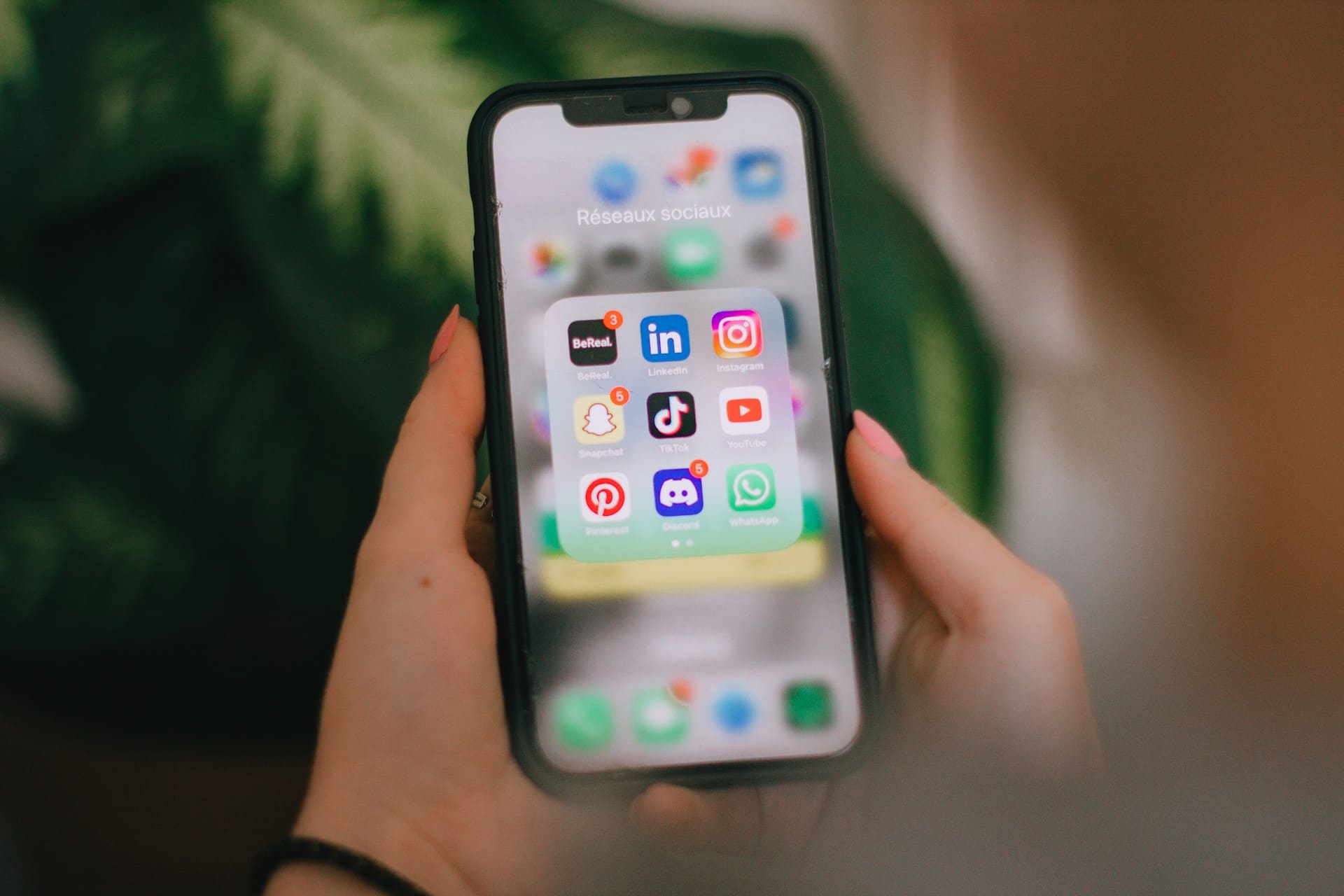
Creators using a single bio link. Brands directing traffic to one central page. Freelancers sharing one link instead of five.
But here’s where most people get it slightly wrong.
They treat that one link like a storage space.
Just… everything dumped into one place.
That’s not a strategy. That’s clutter in disguise.
A good one link setup feels intentional. Almost guided, without being pushy.
There’s a natural flow to it. Your eyes know where to go first.
And that makes a huge difference.%20Replace%20Your%20Entire%20Marketing%20Funnel_Image_2.jpg)
It Quietly Improves Conversions
Now, let’s talk results—but in a realistic way.
The one link strategy doesn’t magically double conversions overnight.
But it often improves them in subtle, consistent ways.
Why?
Because fewer steps mean fewer drop-offs.
Cleaner design means less confusion.
And when users can immediately find what they’re looking for, they’re more likely to stay, explore, and eventually take action.
It’s not flashy optimization. It’s practical.
And those small improvements tend to stack over time.
Mobile Behavior Changed the Game
This part matters more than people think.
Most users are on their phones. One hand, quick scrolling, limited patience.
Long funnels don’t always translate well to that experience.
Multiple page loads, forms, redirects—it starts to feel heavy.
A single link hub, when done right, feels lighter.
Faster to access. Easier to navigate.
More aligned with how people naturally browse now.
It’s not about technology—it’s about comfort.
Less Maintenance, More Focus
Here’s something I didn’t expect when I first explored this approach.
It actually reduces the mental load of managing marketing.
Instead of updating five different pages, fixing broken links, adjusting flows… you focus on one central place.
You tweak it. Improve it. Keep it fresh.
Everything else points there.
It simplifies things behind the scenes in a way that’s hard to appreciate until you’ve dealt with a complicated funnel setup.
And honestly, that alone makes it appealing.
Where It Works Best (And Where It Doesn’t)
To keep things grounded—the one link strategy isn’t perfect for everything.
If you’re running large-scale paid campaigns, complex product launches, or high-ticket funnels with multiple touchpoints, you’ll probably still need a structured funnel behind the scenes.
But for:
- Creators
- Coaches
- Freelancers
- Small businesses
- Personal brands
…it works surprisingly well.
Especially when your marketing is content-driven.
Because at that point, your content is the funnel.
The link just connects everything together.
The Subtle Power of Consistency
When you use one main link everywhere, something interesting happens over time.
People start recognizing it.
Not consciously, maybe—but it feels familiar.
And familiarity builds trust.
You’re not sending people to different pages every time. You’re inviting them back to the same space.
That consistency creates a smoother experience.
And in a crowded digital environment, smooth experiences stand out more than we realize.
It’s Not About Doing Less (It’s About Doing Better)
Some people hear “replace your funnel with one link” and think it means less effort.
Not exactly.
It just shifts the effort.
Instead of building multiple steps, you focus on making one space really good.
Clear. Useful. Easy to navigate.
And that takes thought.
But it’s a different kind of effort—less technical juggling, more user-focused thinking.
Final Thoughts (Keeping It Real)
If you’re expecting a perfect, all-in-one solution that replaces every part of marketing… this isn’t that.
But the one link strategy does solve a very real problem:
Too much complexity.
Too many steps.
Too many chances for people to drop off before they even get started.
By simplifying the entry point, you give people a smoother way in.
And once they’re in, your content, your offer, your message—that’s what does the real work.
So no, it’s not magic.
But it’s practical.
And in 2026, practical strategies tend to last longer than flashy ones.
FAQs
1. What is the one link strategy in simple terms?
It’s using a single central link as a hub for all your content, offers, and actions instead of sending users through multiple funnel steps.
2. Can one link fully replace a marketing funnel?
Not entirely in every case, but it can simplify or replace basic funnels for many creators and small businesses.
3. What should I include in my one link page?
Focus on key actions—like your main offer, valuable content, and contact options—without overcrowding the page.
4. Is this strategy good for beginners?
Yes, it’s actually one of the easiest ways to start marketing without building complex systems.
5. Does it work for social media traffic?
Very well. It’s especially effective for platforms where you only get one clickable link.
Tags
#onelinkstrategy #marketingfunnels #digitalmarketing #linkinbio #conversionstrategy #contentmarketing #simplifiedfunnels #creatorbusiness #growthmarketing #userexperience
.png)
.png)
_Image_1.png)
_Image_1.jpg)
_Image_1.png)

_Image_1.png)
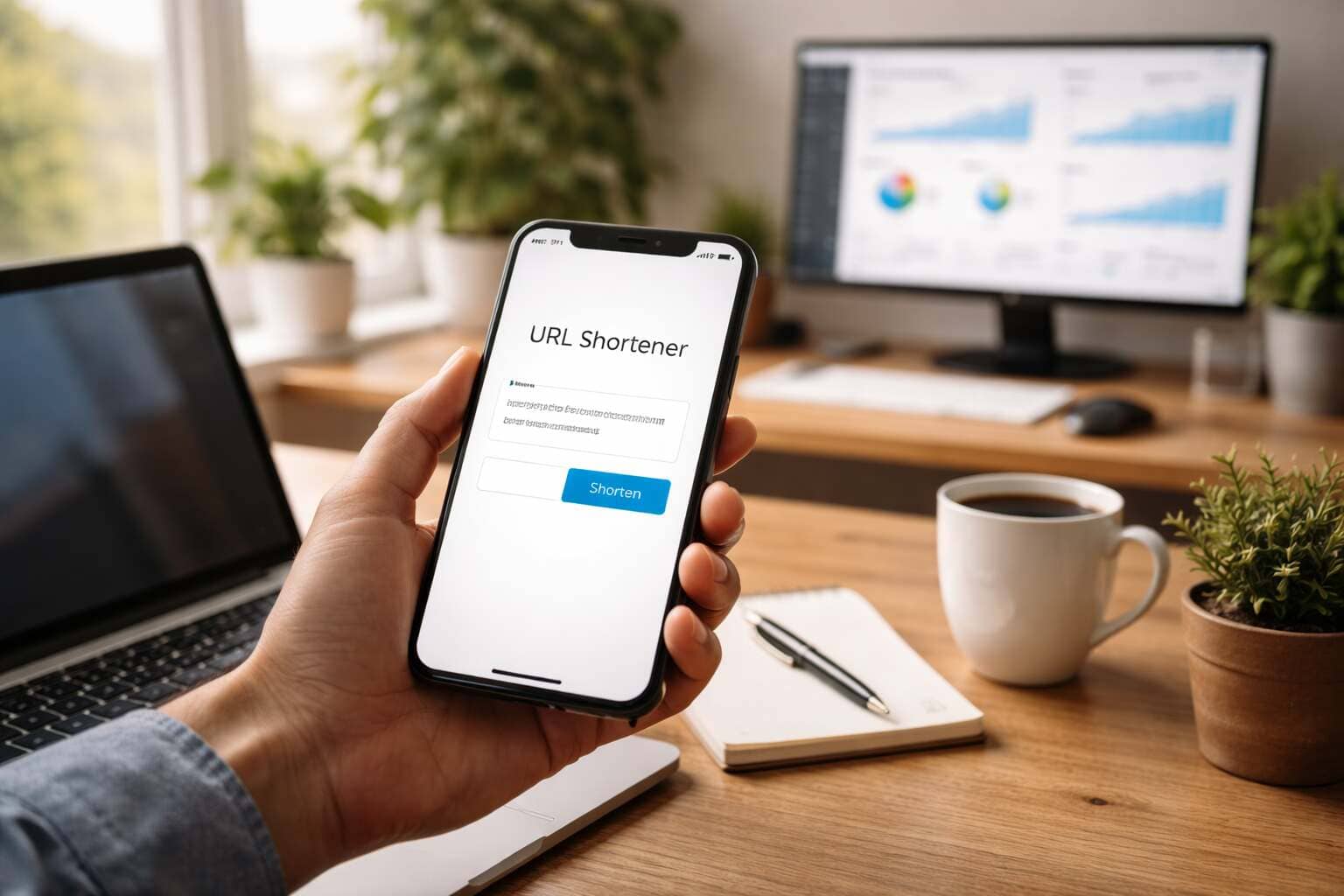
_Image_1.jpg)
_Image_1.jpg)
_Imgae_1.jpg)
_Image_1.jpg)
_Image_2.jpg)

_Image_1.jpg)

_Image_1.png)


.jpg)