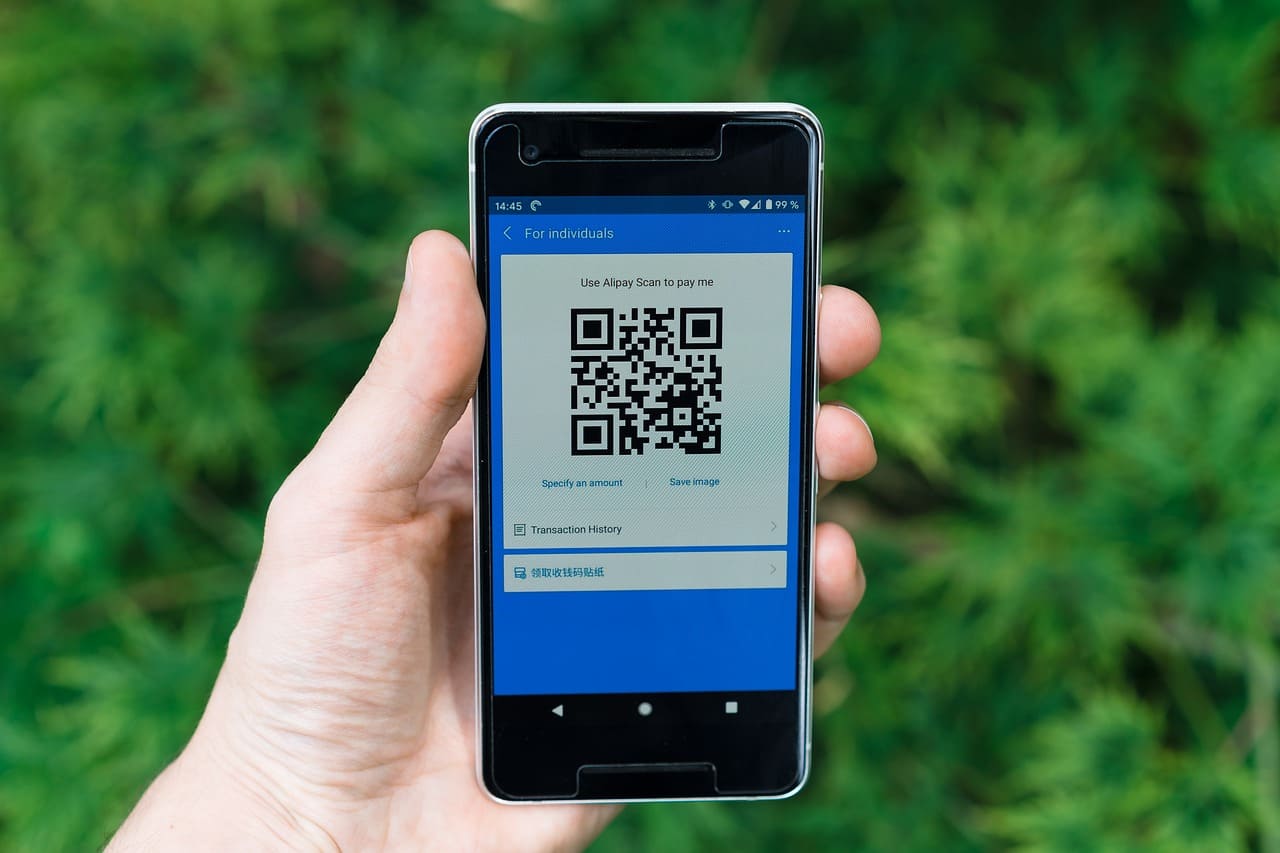

Imagine sending someone a link that works exactly once. They click it, they get in, and after that—it's gone. Nobody else can use it. You can't use it again yourself. The link is spent the moment it's clicked, like a match that burns and goes out.
That's a one-time URL. And once you understand what it actually enables, it's hard to go back to sharing permanent links for situations where permanence was never the point.
Why Permanent Links Are the Wrong Default for Some Things
Most links we share are permanent by default. You create a URL, it works indefinitely, and anyone who has it—today, next year, whenever—can access whatever it points to. For a blog post or a product page, that's exactly right. You want people to be able to find and revisit that content.
But not everything should work that way.
Think about the range of things people actually share via links: private documents, exclusive downloads, time-sensitive offers, personal access credentials, welcome emails for new members, invoice copies, confidential proposals. For all of these, the right answer isn't a permanent link that anyone who gets hold of it can use indefinitely. The right answer is a link that does its job once and then stops being a liability.
Here's the thing: most people work around this problem rather than solving it. They share the link, hope it doesn't get forwarded, maybe remove the file later and hope nothing breaks. It's a lot of trusting to luck for situations where a little more control would cost almost nothing.
A one-time URL removes the luck from the equation.
What Actually Happens When a One-Time Link Is Used
The mechanics are straightforward. You create a short link and mark it as single-use. The link is active and functional until the first person clicks it. That click triggers the expiry. From that moment on, anyone else who tries to use the same link—including the original recipient, if they try to access it again—hits a dead end.
The destination content itself isn't affected. The file, the page, the document, whatever you were pointing to—that's still there. Only the link is expired. So you haven't deleted anything or revoked access in any complicated way; you've just retired the specific path that led there.
This distinction matters. A one-time URL isn't about locking down content permanently. It's about controlling who can access it through a specific channel and ensuring that channel closes after it's served its purpose. Different people can get different one-time links to the same destination. Each link is independent. Each expires individually after its single use.
The Situations Where This Changes Everything
Let me be specific, because the use cases for one-time URLs are more varied than the obvious ones.
Exclusive content delivery. You run a newsletter, a membership, a course, or any kind of paid content. Someone subscribes or pays, and you want to send them access to something they've earned—a download, a resource, a private page. The standard approach is a generic link you email out to everyone. That link gets shared. It ends up on Reddit or in a Discord server or forwarded to someone's friend who didn't pay for it. A one-time link, personalized per recipient, means each person's access link is theirs and theirs alone. The moment they use it, it's done.
Sensitive document sharing. You need to send someone a contract, a financial document, a legal agreement, or anything you'd rather not have circulating indefinitely. A one-time URL means the document has a controlled access window. Once they've accessed it, the link is expired. If you later need to confirm whether they actually opened it or if the link was used at all, the expiry state tells you.
Private sale or offer access. You're running a promotion that's genuinely exclusive—not "exclusive" in the marketing copy sense, but actually limited to specific people. A one-time link ensures the offer can only be claimed once per recipient. No forwarding the deal to a family member. No coming back three times to buy more than your allocation. The link works once, the offer is claimed, and it's over.
Beta access and early entry. You're launching something and inviting a specific number of people in before the public launch. Instead of a single link that everyone shares around (and which quickly circulates to people you didn't invite), each invitee gets their own one-time link. You control exactly how many people get in, and each invitation is genuinely unique.
Password reset and authentication flows. This is actually how well-designed auth systems work—the reset link in your inbox expires after use specifically because a permanent reset link would be a security problem. The same logic applies anywhere you're temporarily granting elevated access: the link should expire the moment it's used, not sit in an inbox indefinitely waiting to be discovered.
You might notice that across all of these, the common thread isn't really about technology. It's about intent. A one-time URL is the right tool when you mean for something to happen once and you want the link to reflect that intention.
How This Works on AtomicURL
Creating a one-time URL at AtomicURL doesn't require any technical setup. You shorten your URL the same way you would any other link—paste the destination, customize the alias if you want it to carry a meaningful name rather than a random string, and then select the one-time use option. The link is created instantly. Copy it with one click and send it to whoever needs it.
No account required for any of this. That bears repeating because it's not standard. A lot of tools that offer one-time links or expiring links put them behind premium tiers or require you to create an account and verify your email before you can access the feature. AtomicURL makes it available to everyone, immediately, without friction.
The customizable alias option is worth using even for one-time links, by the way. Something like /private-access-jane is more intentional than a random string, and it signals to the recipient that this link was created specifically for them—which is often exactly the impression you want to make.
One-Time Links in the Context of Broader Link Control
One-time URLs sit within a larger set of link behavior options that are worth knowing about, because the right tool depends on the right situation.
Sometimes you want a link to expire after a certain date rather than after a certain number of clicks—that's custom link expiry, and it's the right choice for time-sensitive campaigns, limited-window offers, or anything where the end point is defined by time rather than by use.
Sometimes you want to limit access to a certain number of people but allow each person to use the link more than once—that's click-based expiry, which deactivates the link after a set total number of clicks regardless of who made them.
And sometimes access should be restricted not by use-count or time, but by knowledge—that's password-protected links, where the short link is openly shareable but only resolves for people who have the password.
One-time URLs are the most restrictive form: single use, single person, full stop. Understanding how they relate to the other options helps you match the right tool to the right situation rather than defaulting to the most restrictive option when something lighter would work just as well.
A Quick Thought on Trust
There's something worth saying about what one-time links communicate to the person receiving them, beyond the functional mechanics.
When you send someone a link that's been created specifically for them, that expires after they use it, that can't be passed around—it signals care. It signals that you thought about this interaction specifically, that you didn't just fire off a generic link to your whole mailing list. For a freelancer sending a client their deliverable, for a creator giving a loyal subscriber something exclusive, for a business providing a customer with sensitive account information—the one-time link is also a small act of intentionality.
Most people won't consciously notice. But people do notice when things feel considered versus when they feel automated and careless. The link you send is part of the experience you're delivering, and a one-time URL that's been named and tailored to the recipient feels different from a permanent link anyone could find if they knew where to look.
That might sound like overreading a URL. Maybe. But the details of how you deliver things do add up to how your brand or your work is perceived—and the cost of being thoughtful about it here is essentially zero.
Getting Started With One-Time Links
If you've never used one-time URLs before, the place to start is a situation where you're already sharing something that you privately wish could only be used once. A download link for a paid product. An access link for a private community. A document you're sharing that you'd rather not have circulating indefinitely.
Go to AtomicURL, create the link, select single-use, name it something meaningful, and send it. Watch what happens on the other end—specifically, notice that you no longer have to trust that the recipient won't share it, because the link makes sharing it pointless. It works once. After that, it's just a dead URL.
That's control that used to be unavailable to most people without technical infrastructure. Now it's a thirty-second process with no account and no cost.
The scenarios where that matters are more common than most people realize—until they've used this and start seeing those scenarios everywhere.
Tags
#OneTimeURL #ExpiringLinks #URLShortener #DigitalSecurity #AtomicURL #ShortLinks #LinkManagement #ContentProtection #DigitalMarketing #OnlineSecurity #ExclusiveAccess #MarketingTools #PrivateLinks #ContentCreators #LinkExpiry