
Let’s be honest—most links look terrible.
I don’t mean that in a dramatic way, just… real-world terrible. Long strings of words, random numbers, question marks, tracking codes—it’s like someone spilled alphabet soup into a URL bar and hit publish.
Now here’s the thing: people notice that stuff, even if they don’t consciously think about it.
And in 2026, where attention spans are short and trust is fragile, those tiny details can quietly shape whether someone clicks your link or scrolls past it.
That’s exactly where shortened links come in. Not as some magic SEO trick—but as a practical, often overlooked way to improve how your content gets seen, shared, and actually clicked.
Why This Even Matters (More Than It Should)
If you’ve spent any time learning SEO, you’ve probably heard the usual advice—keywords, backlinks, content quality. All important, no doubt.
But what doesn’t get talked about enough is what happens before someone even lands on your page.
The decision to click.
Shortened links sit right at that moment. They don’t change your content, but they change how your content is presented out in the wild—on social media, in emails, in messages, everywhere your link travels.
And honestly, that’s where a lot of opportunities are either gained… or quietly lost.
The Subtle Power Behind Shortened Links
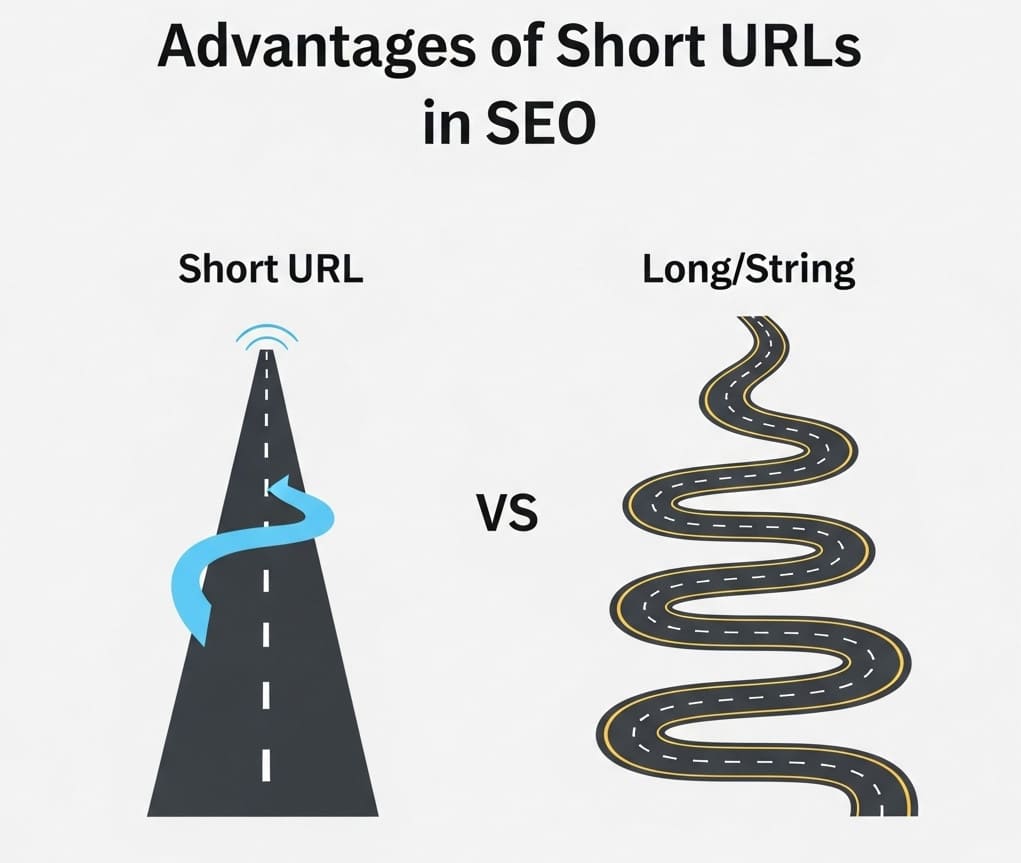
A shortened link is simple by design. It trims unnecessary clutter and leaves you with something clean, readable, and—this is important—less intimidating.
But the real value isn’t just aesthetics.
It’s about how people feel when they see your link.
You might notice this yourself. When a link looks neat and intentional, you don’t hesitate as much. There’s less friction, less doubt. You just click.
And that small behavioral shift is where the SEO benefits of shortened links begin to show up.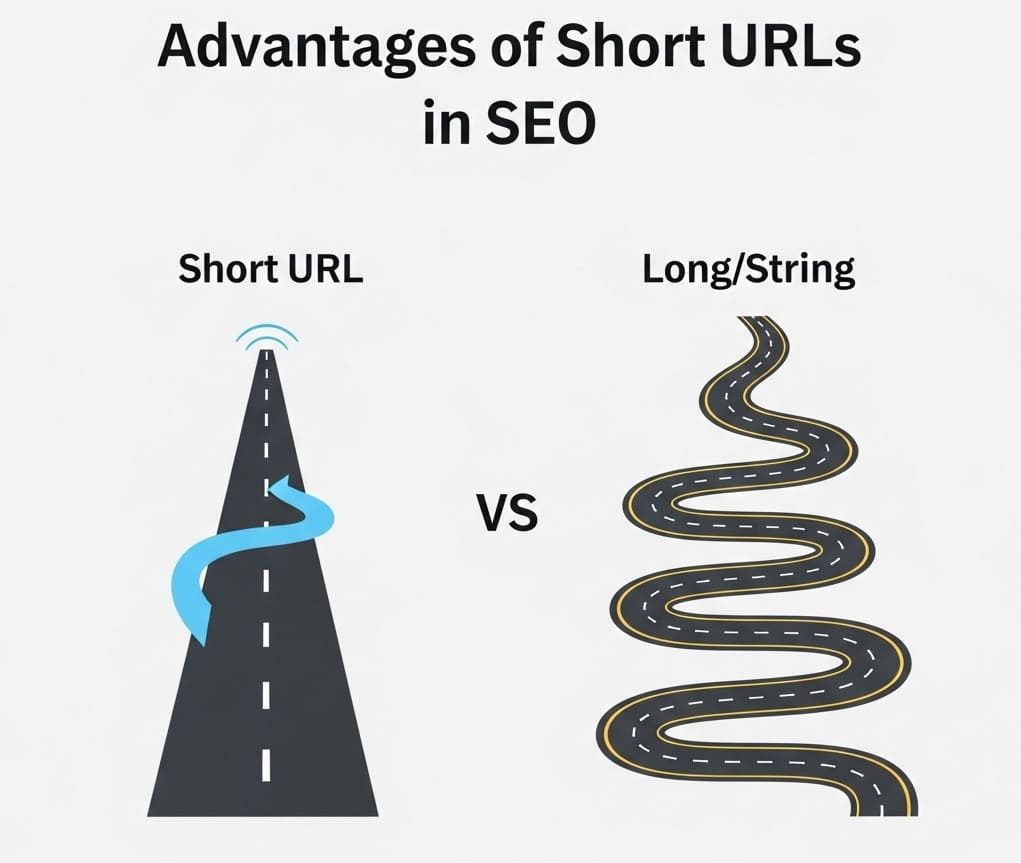
Where Shortened Links Actually Help Your SEO
Now, to be clear—shortened links don’t directly boost your rankings in the way backlinks do. Google isn’t ranking your page higher just because your URL is shorter.
But that doesn’t mean they’re irrelevant.
They influence the signals that do matter.
Click-through rates start to improve
This is usually the first thing people notice.
Cleaner links tend to get more clicks. Not always dramatically, but enough to make a difference over time. Especially on platforms where space is limited or attention is divided—think social feeds or mobile screens.
A short, readable link feels more deliberate. Less like noise, more like something worth checking out.
And when more people click, it sends positive engagement signals. Not instantly game-changing, but definitely part of the bigger SEO picture.
They build quiet trust
Trust online isn’t loud. It doesn’t announce itself.
It shows up in small decisions—like whether someone clicks your link without second-guessing it.
Messy URLs can sometimes look suspicious, even when they’re perfectly safe. On the other hand, a well-structured short link, especially a branded one, feels controlled and intentional.
That sense of control matters more than people admit.
Sharing becomes easier (and more likely)
Here’s something I learned the hard way—people don’t share content just because it’s good.
They share it when it’s easy.
Shortened links remove friction from that process. They fit neatly into posts, messages, and emails without looking awkward or taking up unnecessary space.
And when sharing becomes effortless, it happens more often.
More shares don’t automatically mean better rankings, but they increase visibility. And visibility tends to create its own momentum.
You get better insight into what’s working
This part is often overlooked, but it might be the most practical benefit.
Shortened links usually come with tracking features. That means you can see:
- How many people clicked
- When they clicked
- Where they came from
Instead of guessing which platform is driving traffic, you actually know.
And once you know, you can adjust.
Maybe your audience clicks more in the evening. Maybe one platform outperforms the rest. Maybe a certain type of content consistently gets attention.
Those small insights help you make smarter SEO decisions over time.
A Quick Reality Check (Because It Matters)
It’s easy to overestimate tools like this.
Shortened links won’t fix weak content. They won’t replace proper keyword research. And they won’t magically push you to the top of search results.
What they will do is support everything else you’re already doing.
Think of them as a multiplier, not a shortcut.
If your content is solid, shortened links help it travel better. If your strategy is clear, they make it easier to measure.
That’s their role.
When It Makes Sense to Use Them
Not every situation calls for a shortened link, and forcing it can actually backfire.
They work best when your link is being shared externally—places where presentation matters.
For example:
- Social media posts
- Email newsletters
- Marketing campaigns
- Messaging platforms
In these spaces, a clean link stands out in a good way.
But inside your website? That’s a different story.
Search engines prefer clear, direct URLs for internal structure. So it’s better to keep things transparent there.
Common Mistakes That Are Easy to Miss
One thing I’ve noticed is that people either ignore shortened links completely or overuse them without thinking.
Both approaches miss the point.
Using generic, random-looking short links can sometimes reduce trust instead of building it. You’ve probably seen links that look a bit… questionable. That’s exactly what you want to avoid.
Another mistake is not checking performance at all. If you’re not using the tracking data, you’re only getting half the benefit.
And then there’s inconsistency—using shortened links sometimes, long links other times, with no real strategy behind it. That makes it harder to measure anything meaningful.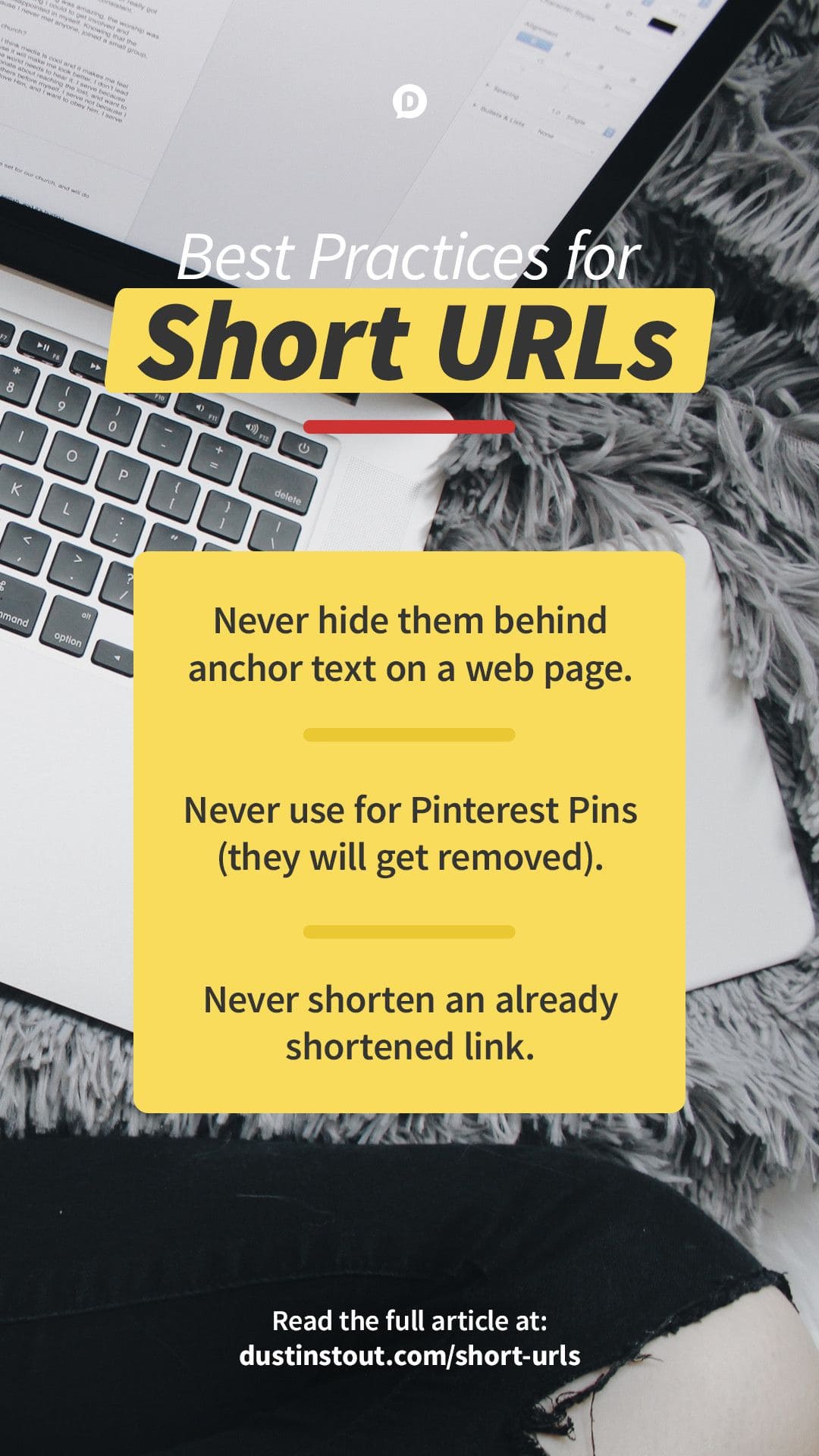
A More Practical Way to Approach It
If you’re going to use shortened links, keep it simple.
Start with one goal: make your links cleaner and easier to interact with.
If possible, use branded links. Even a basic custom domain can make your links feel more trustworthy and recognizable.
Pay attention to how people respond. Not obsessively, just enough to notice patterns.
And maybe most importantly—don’t treat link shortening as a separate task. It works best when it’s part of your overall content flow, not something you tack on at the end.
Looking Ahead: Why This Still Matters in 2026
SEO keeps evolving, but one thing hasn’t changed—user behavior drives everything.
Search engines are getting better at understanding how people interact with content. Not just what’s written, but what gets clicked, shared, and revisited.
Shortened links sit right at the entry point of that interaction.
They don’t guarantee results, but they influence the first step. And without that first step, nothing else really matters.
It’s a small detail, sure. But small details tend to add up.
Conclusion
Shortened links aren’t flashy. They’re not the kind of thing people brag about in SEO case studies.
But they work quietly in the background, improving how your content is perceived and how people engage with it.
And sometimes, that’s exactly what you need—not another complicated strategy, just a smarter way to present what you already have.
If you’ve been overlooking them, it might be worth giving them a second look.
Not as a trick. Just as a tool that does its job well.
FAQs
1. Do shortened links directly improve SEO rankings?
No, they don’t directly impact rankings, but they can improve user engagement signals like click-through rates.
2. Are shortened links safe for users?
Yes, as long as they come from trusted and recognizable sources.
3. Should I use shortened links inside my website?
It’s better to avoid them for internal linking and use full URLs instead.
4. Can shortened links expire?
Some services may expire links, so it’s important to choose a reliable provider.
5. Do branded short links perform better?
Generally, yes. They tend to build more trust and improve click behavior.
Tags#SEO2026 #LinkShortening #DigitalMarketing #SEOStrategy #BloggingTips #TrafficGrowth #ContentMarketing #OnlineBusiness #MarketingTools #SEOGuide
_Image_2.jpg)