You know that sinking feeling when you paste a URL and it's so long it breaks your entire post layout? Yeah, I've been there more times than I'd like to admit.
After years of managing marketing campaigns and dealing with messy links, I got tired of the same old problems: tools that required signups, "free" plans that weren't really free, and features I'd never use.
That's why I built AtomicURL. But this post isn't about my tool—it's about helping you choose the right link shortener for your actual needs.
You've just crafted the perfect social media post. Your offer is compelling, your copy is sharp, and you're ready to share your landing page link. Then you paste it in and... it's a 127-character monster that breaks your formatting and looks completely unprofessional.
Sound familiar?
Every marketer faces this problem. Long URLs clutter your content, break on mobile devices, and honestly just look messy. But here's the thing: not all link shortening tools are created equal, especially when you're managing campaigns across multiple platforms without a massive budget.
Let me walk you through what actually matters when choosing a URL shortener for your marketing work, based on real-world needs rather than feature lists you'll never use.
What Is a URL Shortener and Why Should Marketers Care?
A URL shortener is a tool that takes your long web address and compresses it into something much more manageable. Instead of sharing https://yourwebsite.com/blog/2024/march/complete-guide-to-email-marketing-automation-for-small-businesses, you get something like atomicurl.com/email-guide.
But here's what most people miss: for marketers, these tools aren't just about saving characters. They're about control, tracking, and professionalism.
Think about it. When you're running Facebook ads, Instagram campaigns, email newsletters, and Twitter threads simultaneously, you need to know which channel actually drives results. A good shortening service helps you organize and track all those links without paying for expensive analytics platforms.
The best part? You don't need to break the bank or sign up for complicated enterprise software to get these benefits.
Why Free URL Shorteners Matter for Marketing Success
Let's be honest about budgets. When you're a freelancer, small business owner, or running marketing for a startup, every dollar counts. You're probably already paying for email software, social media scheduling tools, and maybe some design subscriptions.
Here's why the right free link shortener becomes essential:
Clean, professional appearance. Your shortened links look intentional, not like you copy-pasted without thinking. This matters more than you'd think—people judge credibility fast.
Better click-through rates. Studies show that clean, readable links get more clicks than messy ones. When someone sees a tidy shortened URL, they're more likely to trust it and click through.
Space efficiency. Twitter still counts characters. Instagram bios have strict limits. SMS messages charge by length. Shortened URLs give you room for what matters: your actual message.
Link organization. When you're managing dozens of campaigns, having all your links in one place is invaluable. No more searching through old posts to find which URL you used for that LinkedIn campaign last month.
Basic tracking insights. Even free tools often provide click data, helping you understand what's working without paying for premium analytics.
The key is finding a tool that delivers these benefits without hidden costs, usage limits that kick in right when you need them, or forcing you to create yet another account.
How to Actually Use URL Shorteners in Your Marketing
Let me break down the practical workflow, because this isn't complicated—but doing it right makes a difference.
Step 1: Copy your destination URL. This is wherever you want people to land—your blog post, product page, signup form, whatever.
Step 2: Paste it into your shortening tool. With services like AtomicURL, you literally just paste and click. No login required, no forms to fill out.
Step 3: Customize if needed. Some tools let you create custom endings. Instead of random characters, you might get atomicurl.com/spring-sale. This helps with brand recognition and makes links memorable.
Step 4: Copy and use. Grab your shortened link and use it across your marketing channels.
Step 5: Track performance. Check your click data periodically to see which campaigns are actually driving traffic.
Here's a real example: Say you're promoting a new ebook across three channels—your email list, LinkedIn, and Twitter. Create three separate shortened links (even if they go to the same page) so you can track which channel performs best. This data is gold for future campaign planning.
Common Mistakes Marketers Make with Link Shorteners
I've seen these errors countless times, and they're all avoidable.
Mistake 1: Using shortened links everywhere without strategy. Not every link needs shortening. Your website's main navigation? Keep those normal. An email signature? Probably fine either way. But social media posts, SMS campaigns, and character-limited spaces? That's where shorteners shine.
Mistake 2: Choosing tools based on brand name alone. Just because a service is popular doesn't mean it's the best fit. Some well-known shorteners have started adding paywalls, limiting features, or requiring accounts. Focus on what you actually need.
Mistake 3: Creating completely random short links. When you have the option to customize, use it. atomicurl.com/xyz123 tells nobody anything. atomicurl.com/webinar-jan is instantly recognizable when you're reviewing your links later.
Mistake 4: Not testing links before publishing. Always click your shortened URL before sharing it widely. Typos happen, and fixing a broken link after 10,000 people have seen it is painful.
Mistake 5: Ignoring the data. If your tool provides click statistics, actually look at them. That data tells you what content resonates and which platforms are worth your time.
Mistake 6: Using different shorteners for different campaigns. Stick with one reliable tool. Spreading your links across multiple platforms makes tracking and management unnecessarily complicated.
What Makes AtomicURL Different for Marketers
I’m not trying to market to you. But since we're talking about practical tools for marketers on a budget, it's worth highlighting what actually sets certain options apart.
AtomicURL works without requiring you to create an account. You don't hand over your email, you don't wait for confirmation, you don't manage another password. You just shorten links. That simplicity is rare and genuinely useful when you're in the middle of scheduling posts and don't want another interruption.
The platform offers several features that directly address marketer needs:
The main shortening tool at https://atomicurl.com handles your basic link compression instantly. Just paste, shorten, done.
For those managing multiple campaigns, https://atomicurl.com/url-manager provides a central dashboard to organize and track all your shortened links. No more digging through browser history or old social posts to find that link you created two weeks ago.
When you need to shorten multiple URLs at once—say you're setting up a drip email campaign with different links for each message—https://atomicurl.com/bulk-url-shortener handles batch processing. It's a time-saver that most free tools don't offer.
And if you ever receive a shortened link and want to check where it actually goes before clicking, https://atomicurl.com/url-expander shows you the destination. This is useful for both security and competitive research.
The tool stays free because it's built for real use, not as a teaser for premium upgrades. That's refreshing in a market where "free" often means "limited to three links."
Frequently Asked Questions
Are free URL shorteners safe to use?
Generally yes, but choose reputable services. The main risks come from two sources: shortened links hiding malicious destinations, and services that suddenly shut down (breaking all your links). Established free tools that have been operating reliably are typically safe. When you create links yourself through a trusted shortener, you control the destination, so there's no security risk there.
Can I track who clicks my shortened links?
Most modern URL shorteners provide basic click analytics, even on free plans. You'll typically see total clicks and sometimes geographic data or referring sources. This gives you enough information to compare campaign performance without needing expensive analytics software. However, free tools usually won't show individual user data—which is fine for most marketing purposes.
Do shortened URLs hurt my SEO?
No. Search engines follow redirects from shortened URLs to your actual destination, passing along the SEO value. The main thing that matters for SEO is where the link ultimately leads. That said, for internal website navigation and your most important backlinks, using full URLs is still best practice. Shortened links are perfect for social media, email, and other marketing channels where SEO isn't the primary concern.
Wha broken links mean when ashorter goes offline?
Your links would break, which is why choosing a stable, reliable service matters. Look for tools that have been around for a while and seem committed to long-term operation. This is actually one reason to avoid services that are clearly loss-leaders for paid products—they might discontinue the free tier. Tools built to be sustainably free are safer bets.
Can I edit where a shortened link goes after creating it?
This depends on the service. Some URL shorteners allow you to update the destination URL, which is incredibly useful if you need to change a landing page but have already distributed the short link. Others create permanent redirects. If this feature matters for your work, check before committing to a tool. Being able to update links gives you flexibility for long-running campaigns.
Wrapping Up: Choose Tools That Actually Serve Your Needs
Here's the bottom line: the best URL shortener for your marketing isn't the one with the most features or the biggest brand name. Smart solutions that address your needs without side effects.
You need links that look professional, clicks that you can track, and a tool that doesn't slow you down with unnecessary complexity or surprise limitations.
For most marketers—especially those just starting out or working with tight budgets—simplicity and reliability trump fancy features. You want something that works when you need it, doesn't require account management overhead, and provides enough data to make informed decisions.
The goal isn't to find the perfect tool with every imaginable feature. It's to find the right tool that helps you focus on what actually matters: creating great content, reaching your audience, and growing your business.
Start simple. Test your shortened links. Track which platforms bring real engagement and conversions. And remember that your URL shortener is just one small piece of your marketing toolkit—it should make your life easier, not more complicated.
If you enjoyed this article, you may also like:
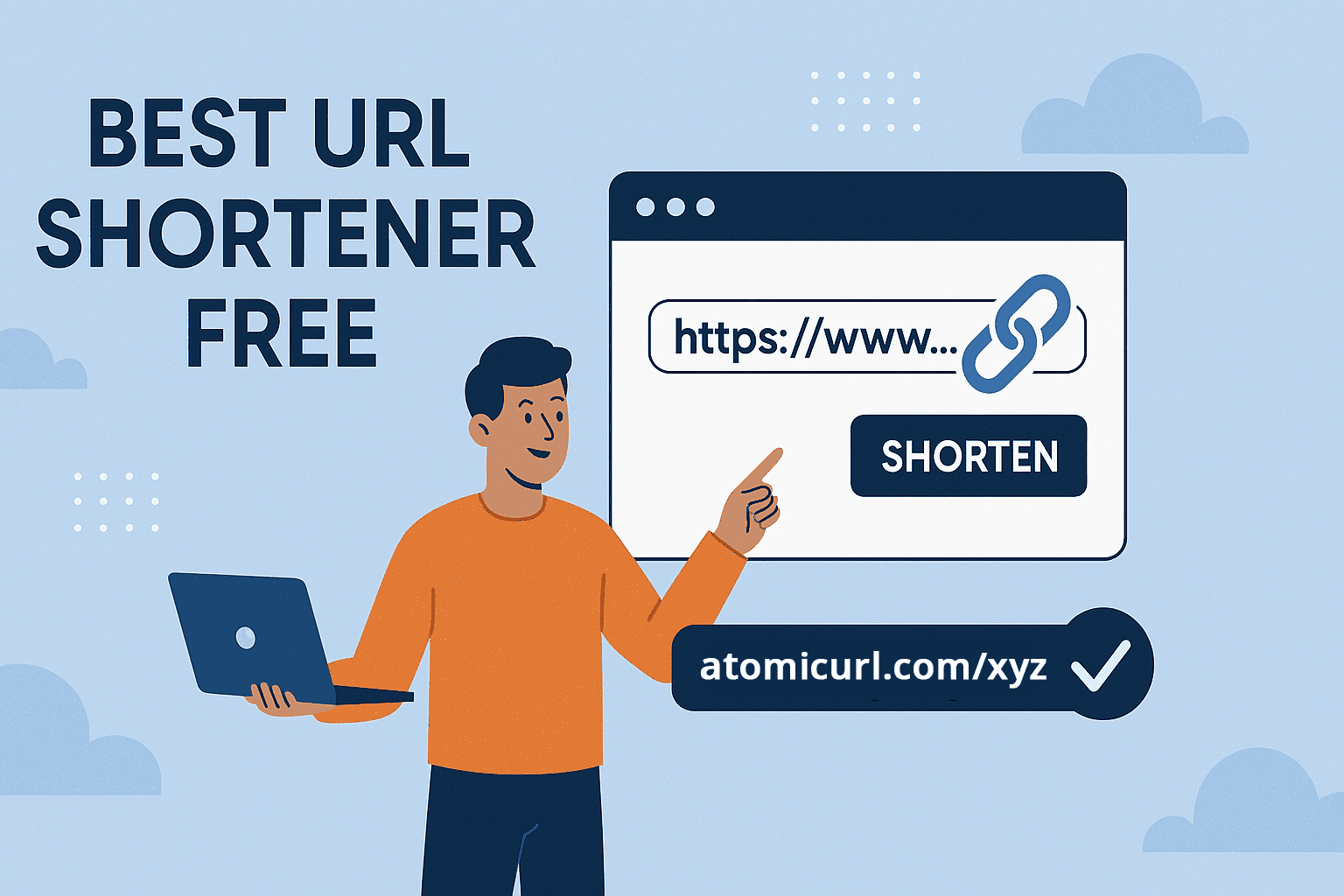
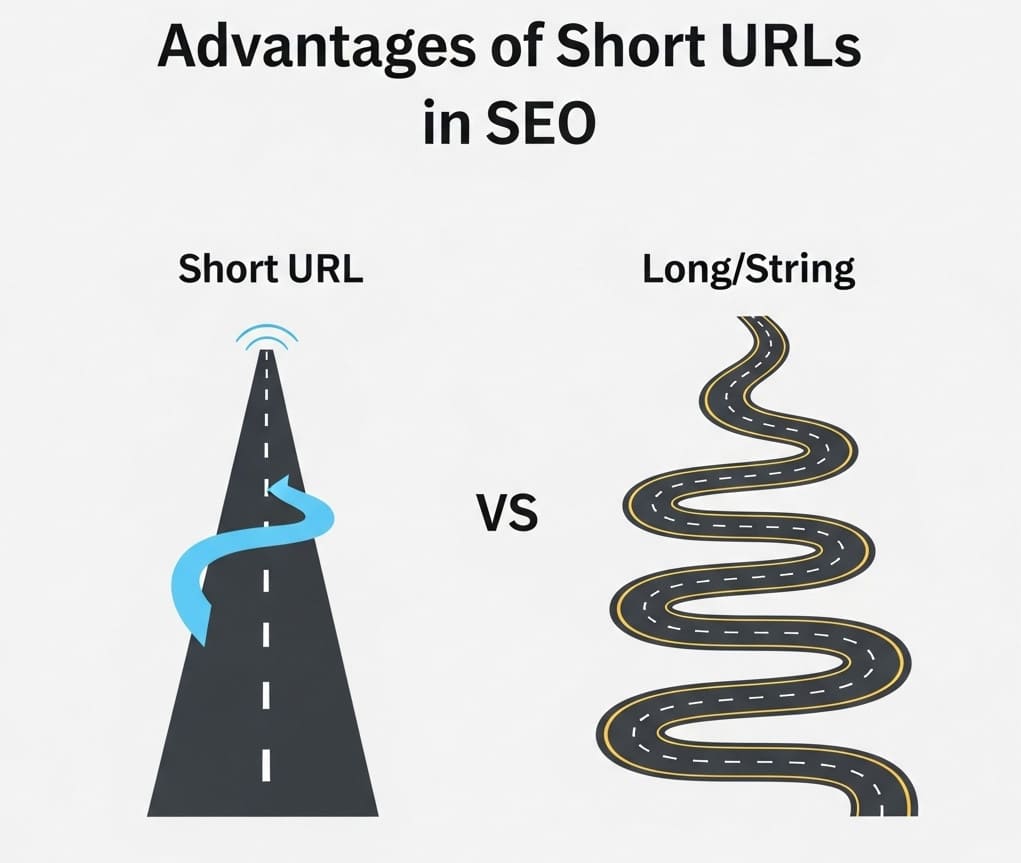
_Image_2.jpg)