

You want clean links, but you also want them to work
There’s a moment almost every affiliate marketer runs into sooner or later. You look at your links and realize they’re just not pleasant to share. They’re long, full of tracking parameters, and honestly, they don’t look trustworthy when pasted into a post or message. That’s usually when people start looking for ways to hide affiliate links using shorteners.
At first, it feels like a simple upgrade. You take something messy and turn it into something clean and compact. Instead of a long URL filled with symbols, you get a neat short link that looks easier on the eyes. But once you start using them regularly, you begin to notice there’s more going on beneath the surface than just aesthetics.
Shortening links changes perception more than people expect
Here’s the thing that doesn’t get talked about enough. When you hide affiliate links using shorteners, you’re not just changing the appearance of a URL. You’re also changing how people emotionally respond to it.
A long affiliate link feels transparent in a way. People can sometimes guess what it is or where it’s going. But a short link removes that visibility completely. Something like “bit.ly/xyz123” doesn’t give any clues. And that lack of context creates a split-second hesitation in the user’s mind.
It’s not that people won’t click it. It’s just that they pause for a moment longer than they would with a visible, recognizable link. And in online behavior, even a small pause can reduce clicks.
Trust plays a much bigger role than the link itself
Most people think affiliate performance depends on the offer or the content, and that’s true to a large extent. But trust is what quietly decides whether someone actually clicks.
If your audience already trusts you, they’ll click almost anything you recommend. But if they’re unsure about you or your content, even a perfectly shortened link won’t help much.
This is why hiding affiliate links using shorteners works best when it’s paired with genuine, helpful content. If the recommendation feels natural and honest, the link format becomes less important. But if the content feels overly promotional, the short link can actually amplify skepticism instead of reducing it.
Not all short links feel the same to users
You might notice this yourself when browsing online. Some short links feel completely normal, while others feel slightly suspicious. It’s not always logical, but perception plays a big role.
A random-looking link like “bit.ly/4kT92xL” doesn’t offer any reassurance. It feels disconnected. On the other hand, a branded or slightly descriptive short link like “brand.link/tool-guide” feels more intentional and safer to click.
So when you’re trying to hide affiliate links using shorteners, it’s not just about hiding the URL. It’s also about replacing that lost context with something meaningful, even if it’s subtle.
Overusing shorteners can quietly hurt performance
There’s a phase many marketers go through where they start using shorteners for everything. Every link becomes shortened, every post feels like it’s routed through a tracking system, and everything looks neat and uniform.
But something interesting happens over time. Engagement doesn’t always improve. In some cases, it even drops slightly.
The reason is simple. When every link looks the same, it starts to feel automated. People stop seeing individual recommendations and start seeing a pattern of “marketing links.” And once that perception sets in, clicks become harder to earn.
So while it’s useful to hide affiliate links using shorteners, using them everywhere without thought can actually make your content feel less personal.
Context matters more than the link itself
One of the most overlooked parts of affiliate marketing is how the link is introduced. You can have the cleanest short link in the world, but if it’s dropped into a weak or unclear sentence, it won’t perform well.
For example, simply saying “check this link” doesn’t create much interest. But if you add a bit of context, like explaining why you’re sharing it or what experience led to it, the same link suddenly becomes more compelling.
It’s not about writing long explanations. It’s about giving people a reason to care before they click. That small shift often has more impact than the link format itself.
Tracking is where shorteners actually become powerful
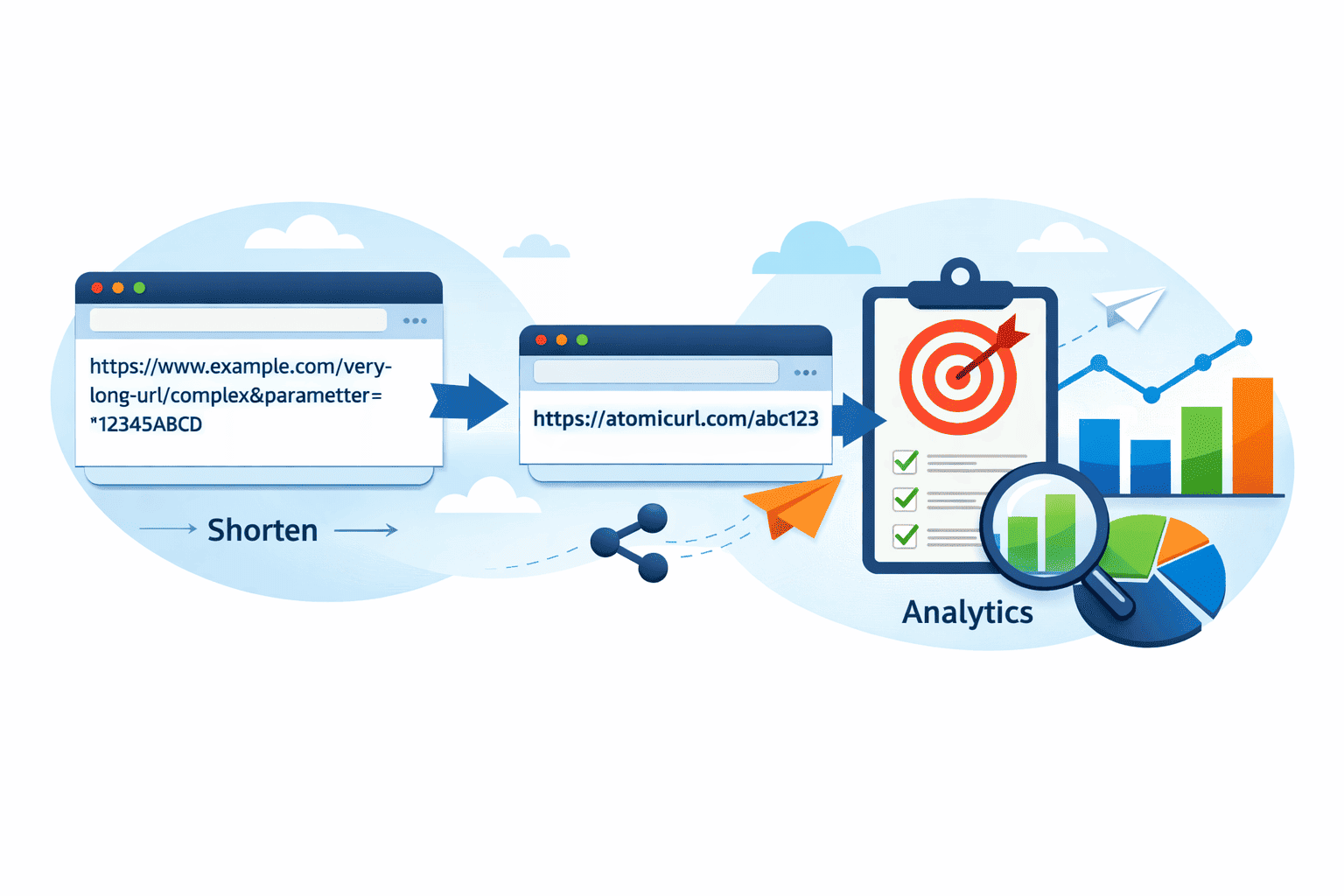
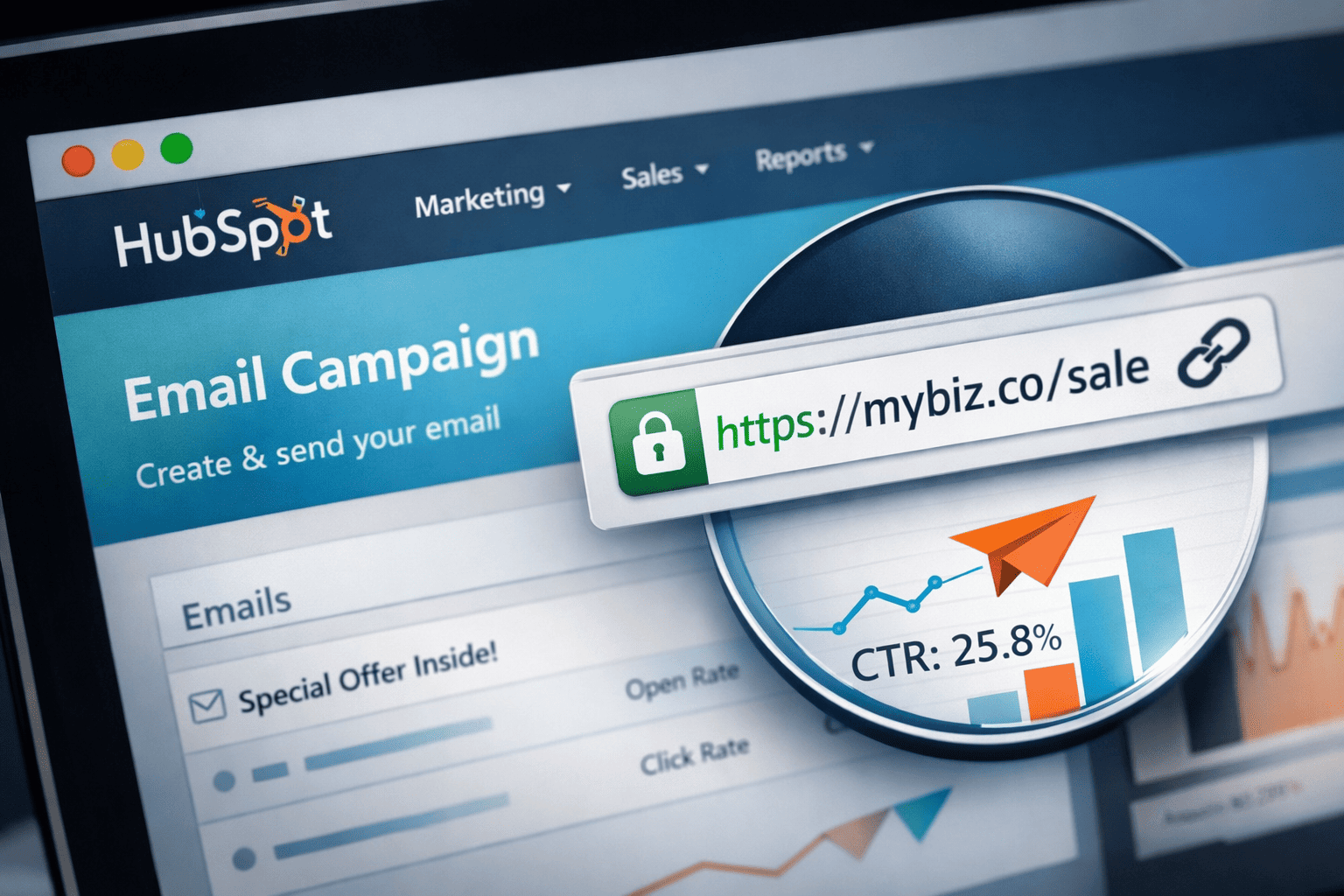
Most people use shorteners just to clean up links, but the real value often comes from tracking. When you hide affiliate links using shorteners, you gain insight into how people are interacting with your content.
You can see which platforms bring the most clicks, which posts perform better, and sometimes even what time your audience is most active. Over time, this data helps you refine your strategy in a way that guessing never could.
It’s one of those benefits that doesn’t feel important at first, but becomes extremely useful once you start paying attention to patterns.
The destination still decides the final outcome
Even if your short link is perfect, everything falls apart if the landing page doesn’t deliver. If the page is slow, confusing, or doesn’t match what you promised, people leave quickly.
And worse, they’re less likely to trust your future recommendations. That’s something many affiliates overlook. The link gets the blame, but the real issue is often what happens after the click.
So when you hide affiliate links using shorteners, remember that you’re not just optimizing the front end. You’re also responsible for the experience beyond it.
A more balanced way to use shorteners
Instead of thinking about shorteners as a way to hide links, it helps to think of them as a way to manage and improve them. They should make your links cleaner, easier to track, and slightly more user-friendly, but not replace the need for trust or context.
When used thoughtfully, they blend into your content instead of standing out. And that’s usually where they perform best.
Conclusion
Using shorteners to hide affiliate links is not a trick or shortcut. It’s simply a tool that helps make links more manageable and easier to share. But like most tools in marketing, its effectiveness depends on how you use it.
If your content feels authentic, your recommendations are relevant, and your links are placed with intention, shorteners can support your strategy in a meaningful way. But if they’re used without context or overused across everything, they can quietly reduce trust instead of building it.
At the end of the day, it’s not just about hiding links. It’s about making them feel natural within the experience you’re creating for your audience.
FAQs
1. Is it safe to hide affiliate links using shorteners?
Yes, it is safe as long as you are transparent in your content and not misleading users.
2. Do short links reduce affiliate earnings?
Not directly, but poorly presented or overused short links can reduce trust and clicks.
3. Are branded short links better than random ones?
Yes, branded or descriptive short links tend to build more trust and improve click-through rates.
4. Should I use shorteners for every affiliate link?
Not necessarily. Use them where they improve clarity, tracking, or presentation.
5. Do short links help with tracking affiliate performance?
Yes, most shorteners provide analytics that help you understand clicks and user behavior.
Tags#affiliatemarketing #urlshortener #digitalmarketing #linktracking #contentstrategy #makemoneyonline #affiliateincome #marketingtips #conversionrate #onlinetraffic
_Image_1.png)
_Image_1.png)
_Image_1.jpg)


_Image_1.jpg)

.jpg)

.jpg)


.jpg)