_Image_1.jpg "Why Short Links Get Blocked on Facebook (And Why It Feels So Random)")

It feels random… until you look a little closer
If you’ve ever had your short links blocked on Facebook, you probably remember the moment. You paste your link, hit post, and suddenly you’re staring at a warning message instead of your content going live. It doesn’t really explain much, and that’s the frustrating part. You’re left wondering what exactly went wrong.
At first, it feels random. One day your links work fine, and the next day they don’t. But once you start paying attention, there’s actually a pattern to it. Facebook isn’t just blocking links for no reason—it’s reacting to signals, even if those signals aren’t obvious from the outside.
Facebook doesn’t like uncertainty
Here’s the thing most people don’t think about. Short links are designed to hide the final destination. That’s the whole point. They make URLs cleaner, shorter, and easier to share.
But from Facebook’s perspective, that’s also a problem.
When a link looks like a shortened version, there’s no clear indication of where it leads. And over the years, that exact feature has been used for spam, misleading redirects, and low-quality content. So Facebook plays it safe. If it can’t quickly verify where a link goes, it treats it with caution.
That’s one of the biggest reasons why short links get blocked on Facebook more often than regular URLs. It’s not necessarily about your specific link—it’s about the level of uncertainty attached to it._Image_1.jpg)
You might be affected by other people’s behavior
This part feels unfair, but it happens more often than you’d expect. When you use a popular URL shortener, you’re sharing the same domain with thousands—sometimes millions—of other users.
Now imagine some of those users are posting spammy or misleading content. Over time, that domain builds a reputation. And not always a good one.
So even if your link is completely clean, Facebook might still flag it because of the domain it belongs to. It’s a bit like walking into a place that already has a bad reputation—you get judged before anyone knows what you’re actually doing.
This is why some short links get blocked on Facebook even when everything seems perfectly fine on your end.
Posting patterns matter more than people realize
A lot of people assume the issue is purely technical, but behavior plays a big role too. If you’re posting the same short link across multiple groups, pages, or comments within a short time frame, it can trigger Facebook’s spam detection.
Even if your intention is genuine, the pattern can look automated.
Think about it from Facebook’s point of view. A single link appearing repeatedly across different places starts to look suspicious. It doesn’t matter whether it’s helpful content or not—the system is reacting to the pattern, not the intent.
This is one of the more common reasons short links get blocked on Facebook, and it often catches people off guard because they don’t see their own behavior as “spammy.”
The type of content you’re sharing plays a role
Some niches naturally attract more scrutiny. If your links relate to topics like making money online, affiliate offers, free downloads, or anything that has been historically abused, they’re more likely to get flagged.
That doesn’t mean your content is bad. It just means it falls into a category that Facebook watches more closely.
So if you’re working in one of these spaces, you might notice that your short links get blocked on Facebook more frequently than someone sharing, say, a personal blog or a simple informational article.
It’s not about fairness—it’s about risk management from Facebook’s side.
Too many redirects can look suspicious
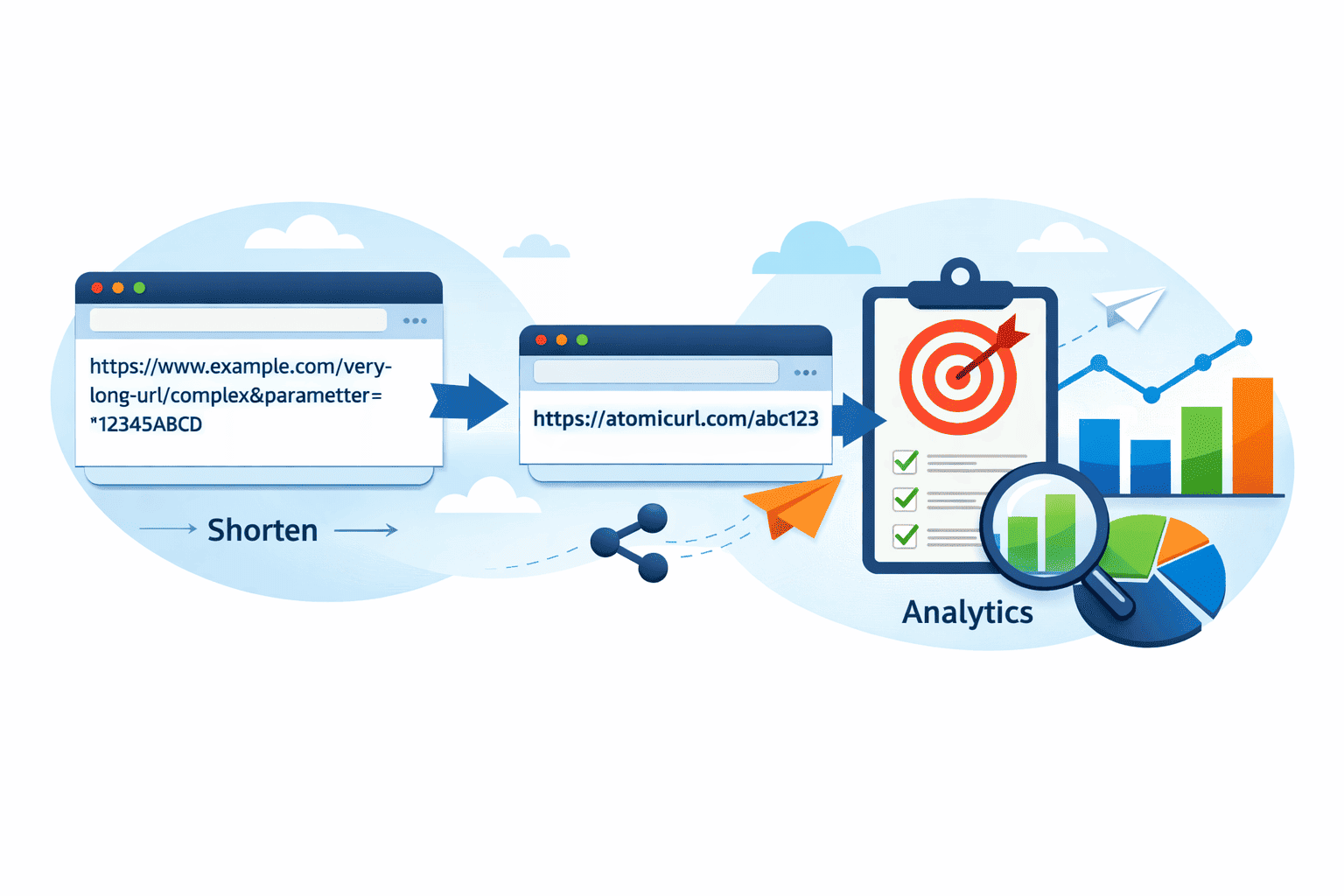
This is where things get slightly technical, but it’s worth understanding. Sometimes a short link doesn’t just go directly to the final page. It passes through multiple redirects along the way.
For example, a short link might lead to a tracking URL, which then leads to another page before finally reaching the destination.
From a user’s perspective, this happens quickly and often goes unnoticed. But for Facebook, it raises a red flag. Multiple redirects can make it harder to verify where the link actually ends up, which increases the chances of it being blocked.
So if your setup involves several layers of redirection, that could be part of the problem._Image_2.jpg)
The destination page matters more than you think
It’s easy to focus entirely on the link itself, but what happens after someone clicks it is just as important. If the page loads slowly, feels cluttered, or doesn’t match what your post promised, it creates a poor experience.
Facebook pays attention to this.
If users click a link and quickly leave, report it, or interact negatively with it, those signals get recorded. Over time, they affect how that link—or even similar links—is treated.
So sometimes, when short links get blocked on Facebook, the issue isn’t the link format at all. It’s the quality or relevance of the page behind it.
Your account history plays a part too
Not all accounts are treated equally, even though it might seem that way. If your account is relatively new, or if it has a history of posting similar links repeatedly, it might be more likely to trigger restrictions.
On the other hand, accounts that show consistent, natural activity over time tend to have more flexibility.
This doesn’t mean you need a “perfect” account, but it does mean your overall behavior contributes to how your links are handled.
There’s no single reason—it’s usually a combination
This is probably the most important point.
When short links get blocked on Facebook, it’s rarely because of just one factor. It’s usually a mix of things. The type of link, the domain reputation, your posting behavior, the destination page, and even user interaction all play a role.
That’s why it can feel unpredictable. You might change one thing and still see the same result because other factors are still in play.
Understanding that it’s a combination helps you approach the problem more realistically.
What actually helps (without overcomplicating it)
You don’t need a complicated system to reduce the chances of getting blocked. A few practical adjustments can go a long way.
Start by avoiding excessive repetition. If you’re sharing the same link across multiple places, space it out. Give it some variation. Make it feel more natural.
Next, pay attention to your links themselves. If possible, use cleaner, slightly customized versions instead of random strings. It improves trust, both for users and for platforms.
It’s also worth checking your landing pages. Make sure they load properly, look clean, and match what you’re promising in your post. That alignment matters more than most people realize.
And finally, slow things down a bit. Rapid posting often does more harm than good on Facebook.
A different way to think about it
Instead of trying to “beat” Facebook’s system, it helps to think about what looks natural from the outside. If your content, your links, and your behavior feel organic, you’re less likely to run into issues.
This doesn’t guarantee anything, but it reduces risk.
Because at the end of the day, Facebook isn’t trying to block legitimate users. It’s trying to filter out patterns that look suspicious. The closer your activity is to normal user behavior, the smoother things tend to be.
Let’s be honest—it’s not always fair
Even when you do everything right, you might still run into issues. That’s just how the system works sometimes. It’s not perfect, and it doesn’t always distinguish clearly between good and bad content.
But understanding the reasons behind it gives you a bit more control. You can adjust your approach instead of guessing blindly.
And over time, those adjustments usually lead to fewer blocks and more consistent results.
Conclusion
Short links getting blocked on Facebook isn’t as random as it seems. It’s usually the result of trust signals, posting behavior, and how the platform interprets your activity.
The link itself is just one piece of the puzzle. Everything around it—how often you share it, where you share it, what it leads to—matters just as much.
If you focus on making your activity feel more natural and less repetitive, you’ll likely notice a difference. Not instantly, but gradually.
And in most cases, gradual improvement is exactly what you want.
FAQs
1. Why are my short links blocked on Facebook even though they are safe?
Because Facebook evaluates link patterns, domain reputation, and behavior—not just the safety of the content itself.
2. Can Facebook block entire URL shortener services?
Yes, if a domain is widely associated with spam or misuse, it can be restricted.
3. How do I avoid my links getting blocked?
Avoid spamming, use clean links, ensure your landing pages are high quality, and post more naturally.
4. Does posting the same link multiple times cause issues?
Yes, repeated posting within a short time can trigger Facebook’s spam detection system.
5. Are full URLs better than short links on Facebook?
In many cases, yes, because they are more transparent and easier for Facebook to evaluate.
Tags
#facebookmarketing #shortlinks #digitalmarketing #socialmediatips #linksharing #urlshortener #contentstrategy #onlinetraffic #marketingtips #growth
_Image_1.png)
_Image_1.png)
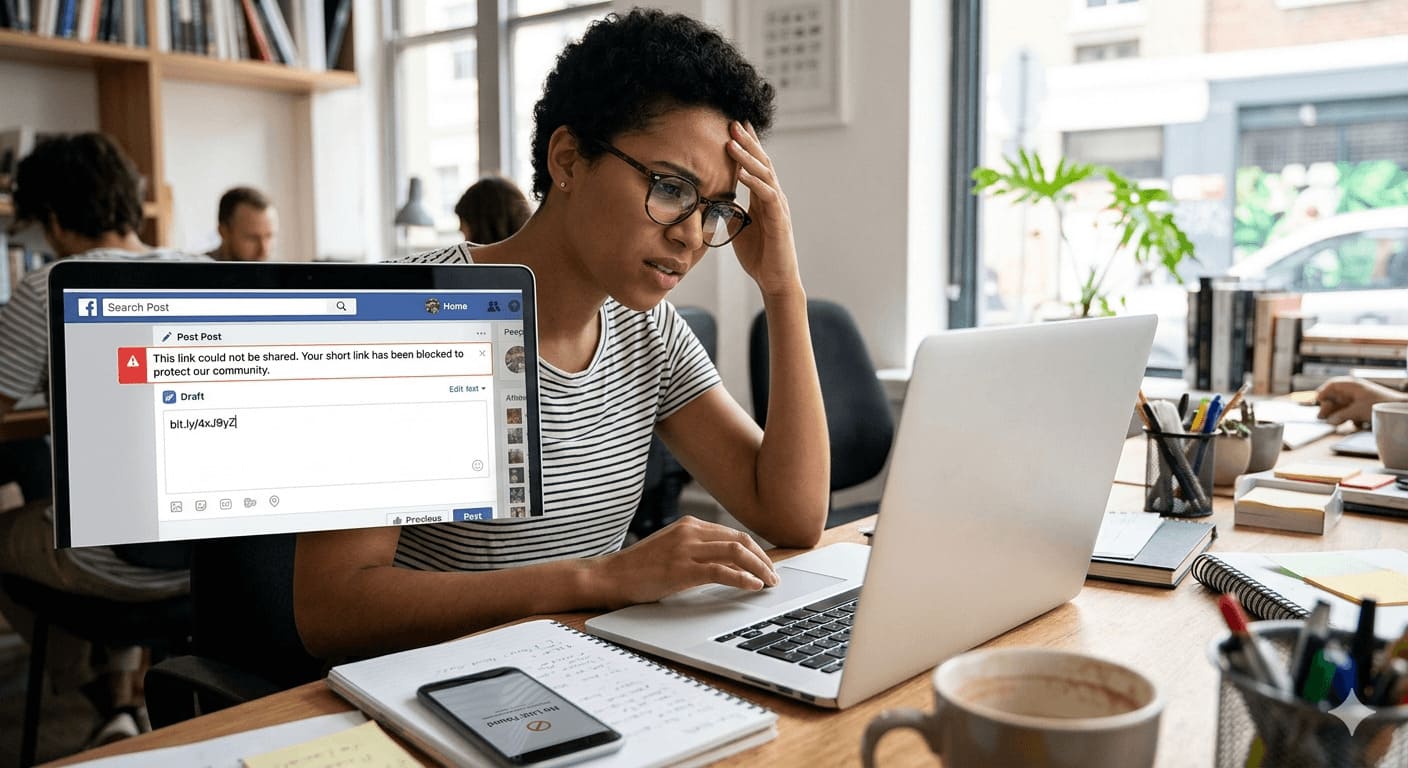
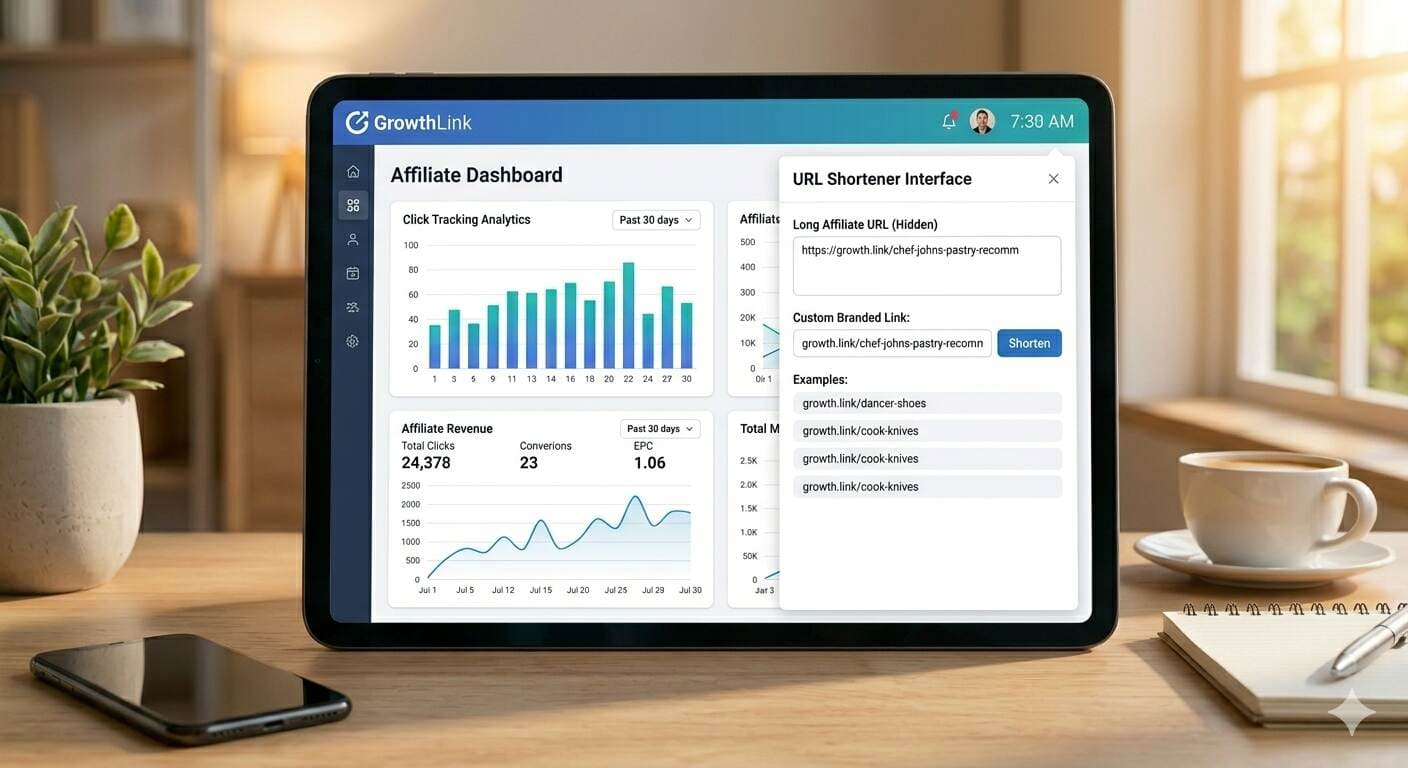

_Image_1.jpg)

.jpg)
.jpg)


.jpg)