_Image_1.jpg "How to Use Short Links to Clean Up Ugly URLs (Without Losing Trust)")

Some links just look… bad
You’ve probably seen them. Or honestly, you’ve probably shared them yourself at some point.
Long URLs filled with random numbers, tracking codes, symbols, and parameters that seem to go on forever. The kind of link that makes you hesitate before even clicking it.
Something like that doesn’t just look messy—it feels untrustworthy, even if it’s completely safe.
And that’s usually where the idea comes in: maybe I should use short links to clean up ugly URLs.
It sounds simple, and in a way it is. But once you start doing it regularly, you realize there’s a bit more to it than just shortening everything.
Why ugly URLs actually matter more than you think
At first glance, it feels like a cosmetic issue. Just appearance.
But the way a link looks affects how people respond to it. That reaction happens quickly, almost instantly.
If a link looks confusing or cluttered, people pause. Sometimes they don’t click at all. Other times they click, but with hesitation.
And that hesitation, even if it’s small, affects engagement.
So when you use short links to clean up ugly URLs, you’re not just making things look better. You’re reducing friction in a way that’s easy to underestimate._Image_1.jpg)
What short links really do (beyond just shortening)
It’s easy to think of short links as a basic tool. You paste a long URL, get a shorter version, and that’s it.
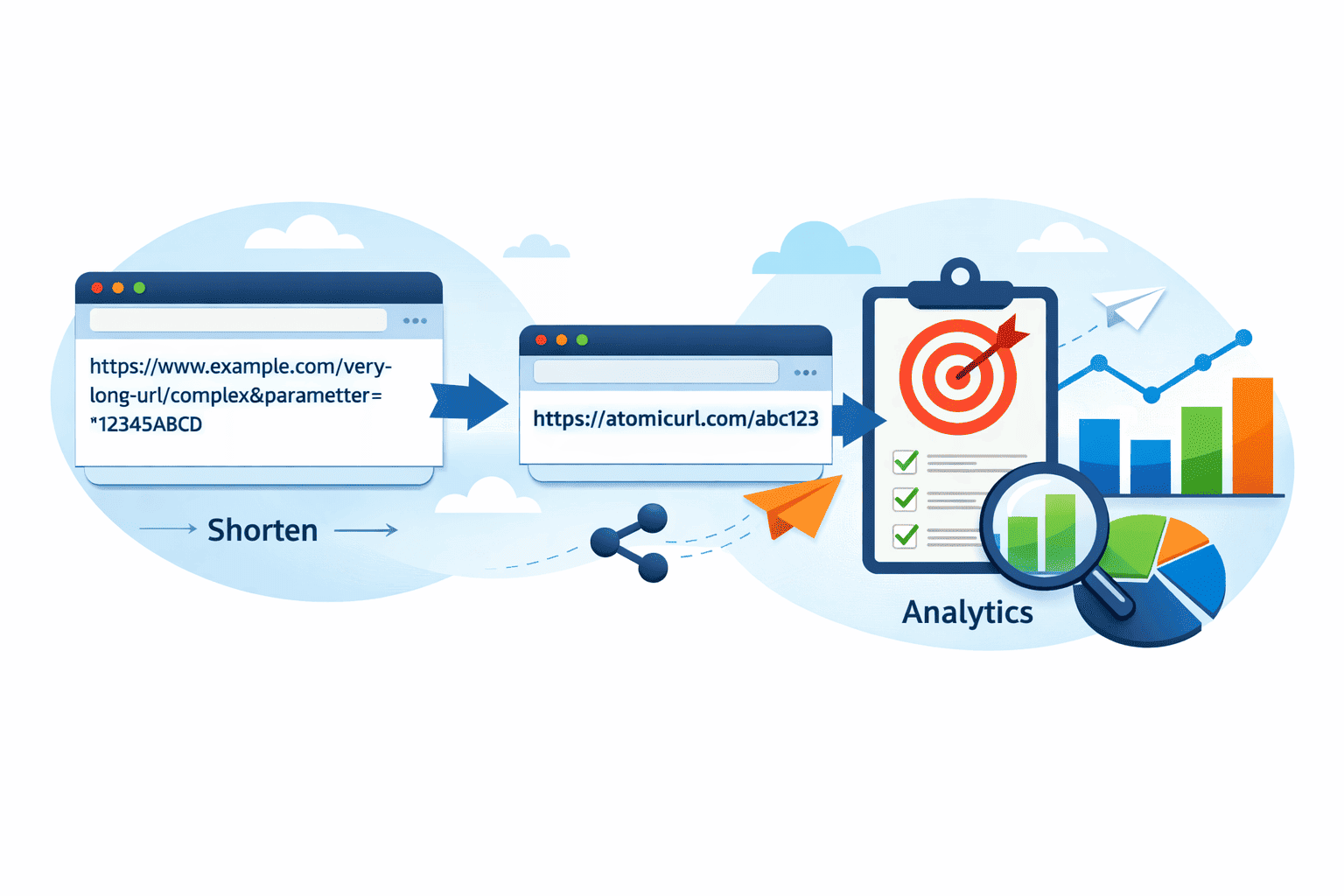
But what’s actually happening is a redirect.
The short link acts like a bridge. It takes someone from a simple, clean URL to the original destination behind the scenes.
That’s why it works so well for cleaning up messy links. You’re not changing the destination—you’re just changing how it’s presented.
And that small change can make a noticeable difference in how people interact with your content.
Not all “clean” links feel the same
Here’s something you might notice once you start paying attention.
Some short links feel fine. Others feel… slightly off.
A random string of characters doesn’t give much context. It looks clean, yes, but also a bit unclear.
On the other hand, a short link that includes a readable word or phrase feels more intentional. More trustworthy.
So when you use short links to clean up ugly URLs, it’s not just about making them shorter. It’s also about making them feel clearer.
That’s where small details start to matter._Image_2.jpg)
There’s a balance between clean and suspicious
This part is easy to overlook.
If a URL is too long and messy, people hesitate. But if it’s too short and vague, they hesitate for a different reason.
Because now they can’t tell where it leads.
So you’re really trying to find a middle ground. Clean, but not mysterious. Simple, but still meaningful.
That balance is what makes a short link actually work instead of just looking better.
Where short links make the biggest difference
You’ll notice the impact more in certain places.
Social media is one of them. Long URLs can break formatting, look awkward, or take up too much space. A clean short link fits better and feels easier to engage with.
Messaging apps are another. When you send a long link in a chat, it can feel overwhelming. A shorter version looks more intentional.
Even in emails, cleaner links can make the message feel more organized.
So while you can use short links anywhere, they tend to matter most where presentation and space are limited.
Cleaning up links also improves how your content feels
This might sound a bit abstract, but it’s noticeable once you think about it.
When your links are clean, your content feels more polished overall. Not in a corporate way, but in a “someone put thought into this” kind of way.
And that feeling carries over into how people perceive what you’re sharing.
It’s not just about the link. It’s about the experience around it.
A small mistake people make when shortening everything
There’s a point where using short links becomes automatic.
Every link gets shortened, no matter where it’s used.
But sometimes, a full URL is actually better.
For example, in blog content or SEO-focused pages, a clear and descriptive URL can provide context. It tells both users and search engines what the page is about.
So while it’s useful to use short links to clean up ugly URLs, it doesn’t mean every link should be shortened.
It’s more about choosing the right situations.
Tracking is a hidden advantage
One benefit that often gets overlooked is tracking.
When you use short links, you can often see how many people clicked, where they came from, and when they clicked.
That kind of information helps you understand what’s working.
You might notice that one type of post drives more clicks than another. Or that certain platforms respond better to specific links.
Over time, that insight becomes more valuable than the link itself.
The destination still matters (a lot)
Even the cleanest short link won’t help if the page it leads to doesn’t match expectations.
If someone clicks expecting one thing and finds something completely different, they leave quickly.
And that experience affects how they respond to your future links.
So while it’s good to clean up ugly URLs, it’s just as important to make sure the destination feels relevant and trustworthy.
Let’s be honest for a second
Most people don’t think too deeply about links.
They either click or they don’t.
But small details influence that decision more than we realize. The way a link looks, the context around it, the familiarity of the source—it all plays a role.
Using short links is just one way to make that decision easier.
Not by forcing it, but by removing small points of friction.
A more practical way to approach it
Instead of shortening every link by default, it helps to ask a simple question:
“Does this link look confusing or distracting as it is?”
If the answer is yes, then it’s probably worth cleaning up.
If not, it might be fine to leave it as it is.
That kind of simple decision-making keeps things balanced.
Conclusion
Using short links to clean up ugly URLs is one of those small changes that can quietly improve how your content is received.
It doesn’t transform everything overnight, but it removes friction, improves clarity, and makes your links easier to interact with.
The key is to use them thoughtfully.
Not as a habit, but as a tool. Something that supports your content instead of replacing the need for clarity and trust.
When used that way, short links stop being just a convenience and start becoming part of a better overall experience.
FAQs
1. Why should I use short links instead of long URLs?
Because they make links cleaner, easier to share, and more visually appealing.
2. Do short links affect SEO?
Not directly, as long as they use proper redirects and point to the correct destination.
3. Are short links safe to use?
Yes, but they should be used with clear context to maintain trust.
4. Should I shorten every link I share?
No, use short links only when they improve clarity or presentation.
5. Can I track clicks with short links?
Yes, many short link tools provide analytics for tracking performance.
Tags
#shortlinks #urlshortener #digitalmarketing #cleanurls #linkmanagement #onlinetraffic #contentstrategy #marketingtips #branding #userexperience
_Image_1.png)
_Image_1.png)
_Image_1.jpg)



.jpg)

.jpg)



.jpg)