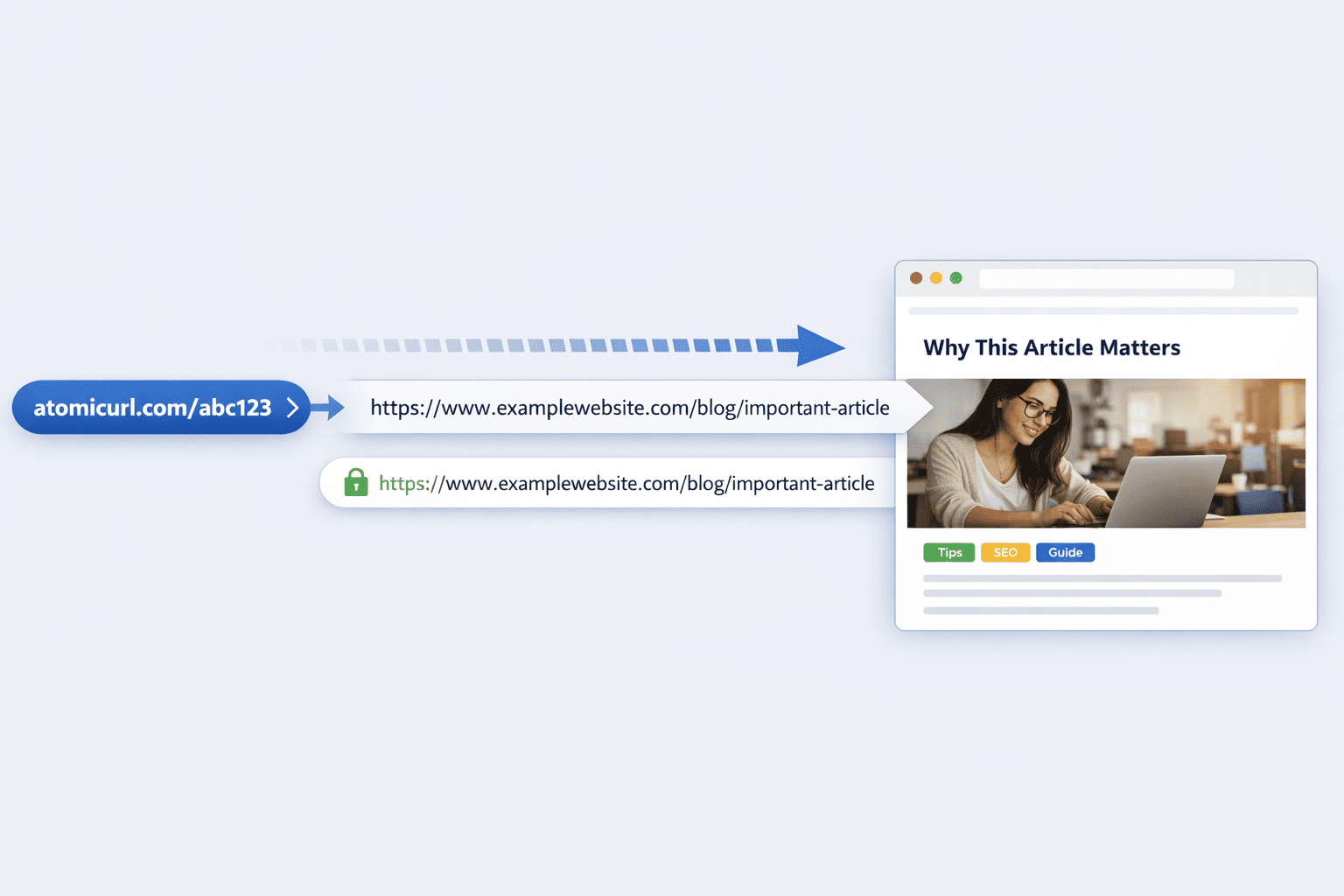

Let's say you're prepping a newsletter, and you've got 30 affiliate links, 10 product pages, and a handful of blog posts you want to include. You paste them all in, and suddenly the email looks like a Wall of Text from the early internet. Long, ugly, completely untrustworthy-looking links that nobody wants to click. Sound familiar?
This is one of those things that sounds like a small problem until it genuinely isn't. And if you've ever tried to shorten URLs one at a time — paste, shorten, copy, repeat — you know how fast that becomes a productivity black hole.
That's where bulk URL shortening comes in. And honestly, once you start using it, going back feels absurd.
Why Shortening Multiple URLs at Once Actually Matters
Here's the thing most people don't consider: URL shortening isn't just about aesthetics. Short links are easier to share, easier to track, and — depending on the platform you're using — can carry a lot more utility than a raw link ever could.
Think about social media posts with character limits. Twitter/X, for example. Or SMS campaigns where every character costs money. Or QR codes printed on physical materials — you really don't want a 200-character URL encoded in there. The QR code ends up looking like a static TV screen from 1987.
Now multiply that need by 50 URLs. If you're a digital marketer, a content creator, or even someone managing a mid-sized e-commerce store, this isn't a hypothetical. This is Tuesday.
Bulk URL shortening solves all of that in one go. Paste your list, hit the button, done.
What to Actually Look for in a Bulk URL Shortener
Not all URL shorteners are the same, and the bulk ones can vary wildly in what they offer. Some are just faster versions of the single-link experience. Others are genuinely feature-packed in ways that surprise you.
Before we get into any tool specifically, here's what actually matters:
Speed and reliability. This one's obvious but worth saying — a shortener that takes 10 seconds per link, even in bulk, is still slow. Lightning-fast redirection on the output side matters too. If your shortened links load slowly, that affects user experience and, yes, bounce rate.
No friction at the front door. Forcing users to sign up before they can even try a tool is a conversion killer, and honestly, it's kind of insulting. You're a person who wants to shorten a URL, not apply for a mortgage.
Export options. If you're shortening 40 links, you need to be able to export them — ideally as a CSV so you can work with them in a spreadsheet, slot them into a campaign, or share them with a team. Copying links manually from a webpage defeats the entire purpose.
Customization. Generic short links like xyz.co/a8f3kq are fine, but being able to customize the slug — like xyz.co/summer-sale — makes the link more recognizable, more trustworthy, and honestly more clickable.
QR code generation. This is increasingly non-negotiable. Physical marketing, event check-ins, product packaging — QR codes are everywhere, and having them auto-generated alongside your short link saves a whole extra step.
Link control. This is where it gets interesting. Some tools let you set expiration dates, protect links with a password, or even create one-time links that self-destruct after a single click. For certain use cases — a private preview, a time-sensitive promo, or a one-time access link — these features aren't extras. They're essential.
A Tool Worth Knowing About
If you're looking for a place to start, AtomicURL's bulk URL shortener is genuinely worth a look. No sign-up required, which immediately removes the usual friction. You just land on the page and start working.
The bulk shortener handles up to 50 URLs at once — which covers the vast majority of real-world use cases without overwhelming the interface. Paste in your list, get your shortened links, and export the whole batch as a CSV file. That last part is more useful than it sounds, especially if you're handing off a list to a team or plugging links into a campaign spreadsheet.
What I appreciate about tools like this is that they don't make you choose between speed and features. The link shortening is instant — not "instant-ish," actually instant — and yet there's still room for customization. You can edit the slug to be something meaningful, which makes branded or campaign-specific links much easier to manage.
There's also QR code generation built right in. Each shortened URL comes with the option to generate and download a QR code, which is the kind of thing that would've required a separate tool (or a separate tab, at minimum) a few years ago. Now it's just... there.
Quick-share buttons are available for various social media platforms too, which is a small touch but genuinely useful when you're pushing a link out across multiple channels. One click to share to Twitter, LinkedIn, wherever — instead of opening each platform separately and pasting the link manually.
The Features That Set It Apart
Let's talk about the less-obvious stuff, because this is where AtomicURL actually differentiates itself from the average shortener.
One-time links. This is a feature that most tools don't even offer. A one-time link works exactly like it sounds — it's accessible once, and then it's gone. For sending sensitive documents, private previews, or exclusive offers, this is incredibly useful. You can't get that kind of control with a regular link.
Password-protected links. Same idea. Want to share a URL but only with people who have a specific password? You can do that. It's like adding a velvet rope to a link.
Click-based expiry. This one's clever. Instead of expiring a link after a certain date or time, you can set it to expire after a certain number of clicks. Say, 100 clicks and then it's done. This is useful for limited-offer promotions where you don't want to deal with the overhead of manually disabling a link.
Custom link expiry. Time-based expiration is available too, obviously. Set a link to expire on a specific date. Launch campaigns with built-in end dates. Stop worrying about links that should've been retired months ago still floating around.
One-click copy. Small thing, genuinely good. When you've got 30+ short links on a screen, being able to copy each one with a single click — rather than highlighting, right-clicking, copy — adds up to actual time saved.
Unlimited links. Some tools cap how many links you can create on a free plan. AtomicURL doesn't impose that kind of artificial limit, which matters if you're running ongoing campaigns or managing a large content operation.
Practical Ways People Actually Use Bulk URL Shortening
It's easy to talk about features in the abstract, so let me ground this a bit.
Email newsletters are probably the most common use case. A weekly newsletter with 20+ links — product roundups, articles, affiliate links, whatever — benefits enormously from short, clean URLs. The email looks professional, the links are trackable, and the whole thing takes minutes instead of half an hour.
Social media management is another big one. If you're scheduling posts across multiple platforms, having a batch of pre-shortened links ready to go is a workflow improvement that compounds over time. Especially when you combine it with quick-share buttons.
Affiliate marketing. This one's obvious — affiliate links are notoriously long and ugly. Shortening them in bulk at the start of a campaign, then exporting as CSV, makes the whole operation cleaner and more manageable.
Event marketing and QR codes. If you're running a conference, a pop-up, or any kind of physical event, you probably need QR codes. Being able to shorten 20 URLs and download 20 QR codes in one session — rather than doing it one by one — is just a better way to work.
Developer testing and staging environments. Not the flashiest use case, but developers often deal with long, parameter-heavy URLs for staging or API endpoints. Shortening those for internal sharing is a quality-of-life improvement that's easy to overlook until you try it.
A Few Things Worth Keeping in Mind
Bulk URL shortening is genuinely useful, but it's not magic. A few notes from experience:
If you're using short links in contexts where trust matters — like email campaigns — it helps to use a recognizable domain or customize the slug so recipients know what they're clicking on. Blind-short links can trigger spam filters or just make people hesitant.
Always keep your original URLs somewhere. If a shortening service ever goes down (it happens, even with reliable providers), you don't want your only record of a link to be the short version.
For anything time-sensitive or access-controlled, lean into the expiry and password features. They exist for a reason, and using them proactively is a lot better than trying to disable a live link after the fact.
Wrapping Up
The way people manage links has gotten more sophisticated without most people noticing. A few years ago, a URL shortener was just... a URL shortener. Now, the good ones come with QR codes, export tools, access controls, custom slugs, and expiration settings. The gap between a basic shortener and a proper link management workflow has basically disappeared.
If you're still shortening links one at a time, or copying them manually, or using three different tools to do what one should handle — it's genuinely worth rethinking your setup. Bulk URL shortening isn't just faster. It's a different way of working with links.
Start with something like AtomicURL, which requires no sign-up and gets you up and running in seconds. See how it fits into what you're already doing. You might be surprised how much of your current process was unnecessary overhead.
Tags
#URLShortener #BulkURLShortener #URLShortening #ShortLinks #LinkManagement #DigitalMarketing #SEOTools #QRCode #QRCodeGenerator #LinkShortener #MarketingTools #AffiliateMarketing #EmailMarketing #SocialMediaMarketing #ContentMarketing #LinkBuilding #OnlineMarketing #WebTools #ProductivityTools #AtomicURL #CustomLinks #LinkTracking #URLManagement #ShortURL #BulkLinks #OneTimeLinks #PasswordProtectedLinks #LinkExpiry #CSVExport #NoSignUp #FreeTools #MarketingTips #DigitalTools #SmallBusinessMarketing #BloggingTips
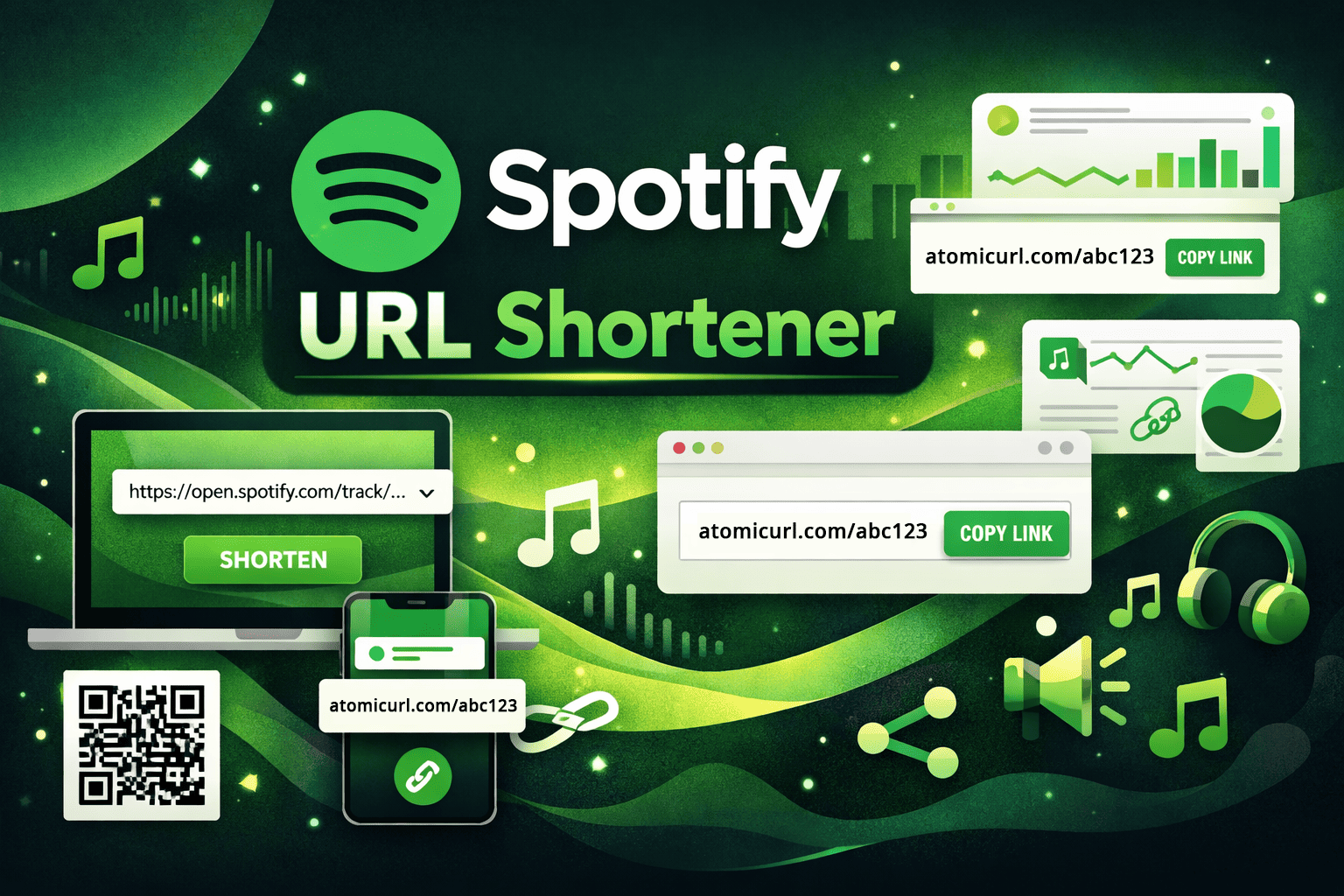
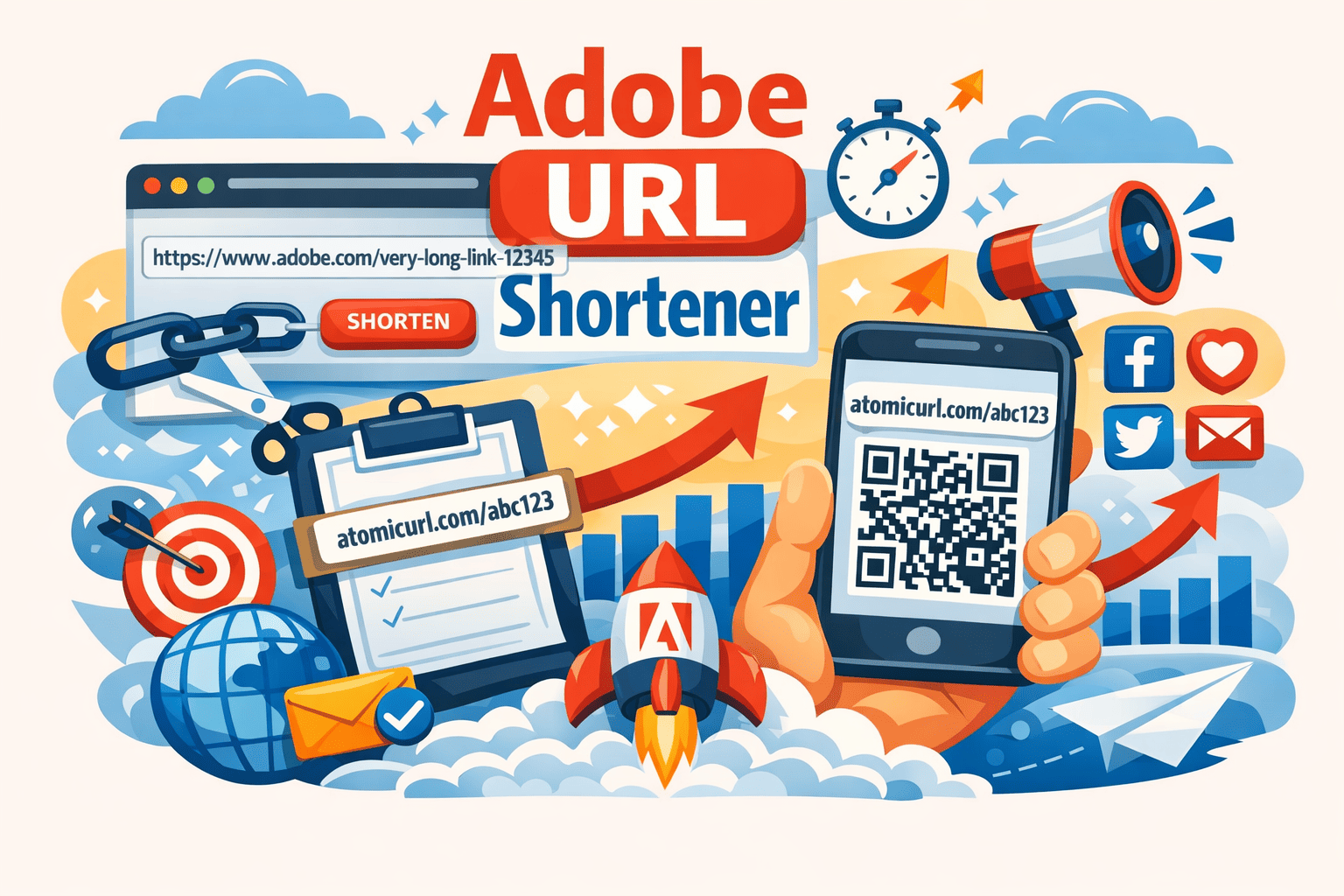
_Image_2.jpg)







.png)