The most common monetization mistake influencers make isn't picking the wrong brand deals or pricing themselves wrong. It's the friction between their audience's interest and the action that converts that interest into money. Someone watches a reel, wants the product, types "link in bio"—and lands on a page with seventeen links in a generic grid, none of which clearly connect to what they just watched.
The click was earned. The conversion wasn't. That gap is where a lot of influencer income quietly disappears, and short links—when used intentionally—are one of the most direct tools for closing it.
The Link Is the Last Mile of Every Sponsorship
Brand deals, affiliate programs, product launches, digital products, exclusive drops—all of them ultimately depend on someone clicking a link and completing an action. The content creates desire. The link delivers it somewhere. Everything in between those two moments is where influencer monetization either works or breaks down.
Here's the thing most influencers don't internalize until they've been doing this for a while: the link is part of the pitch. When you tell your audience "use my link below" or "tap the link in my bio," the link they encounter is the bridge between your credibility and the brand's landing page. If that bridge looks like /ref=12938472?source=ig&campaign=april_influencer_promo_v3_final, something in your audience's brain—however briefly—registers that the recommendation just turned into a tracking system.
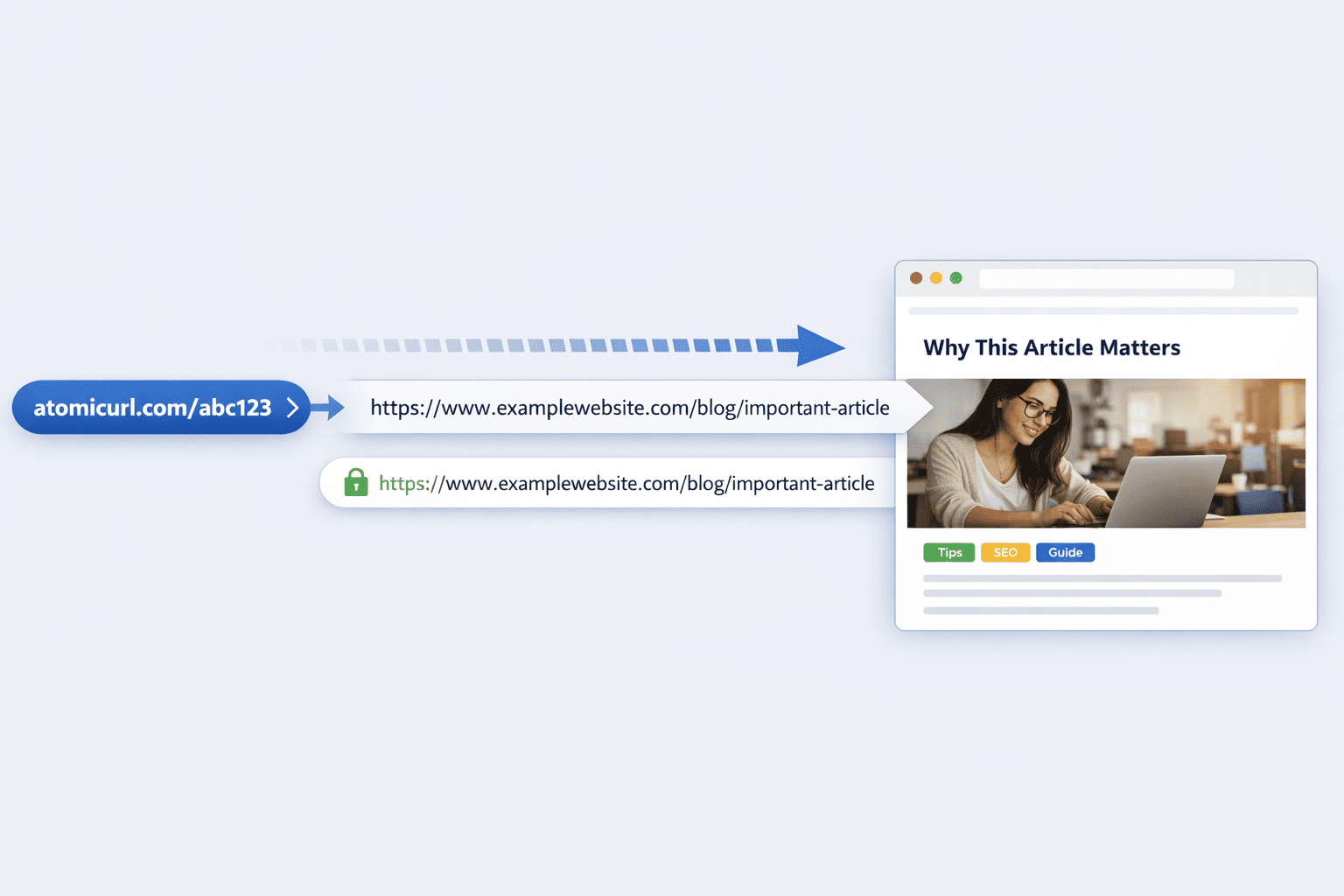
A branded short link doesn't remove tracking. It just means the tracking is invisible rather than visible. /myskincarepick tells your audience something about what they're clicking. The affiliate parameters stay in the destination URL where they belong—behind the link, not plastered across it.
Bio Links and the Problem of One Slot
Instagram gives you one link in bio. TikTok has its own constraints. Even platforms that are more generous about links in posts have practical limits on how many you can actively manage and rotate.
The instinct is to use a "link in bio" aggregator—one of those multi-link pages where you put everything at once. Some influencers need this, genuinely. But a lot of the time, what actually performs is a single, intentional link that matches the content you just posted.
When you drop a skincare reel and your bio link goes directly to the specific product you talked about—not to a general link page where your audience has to find it—conversion improves. Obviously. The journey shortened from five steps to two.
AtomicURL's customizable links make it practical to swap your bio link frequently without it looking or feeling random. You create a new branded short link for each campaign or post, swap it in, and your audience lands exactly where you want them. No account required. Instant link creation means you can do it from your phone in thirty seconds between filming and posting.
And when a campaign ends? Custom link expiry closes the link automatically. You don't have to remember to update your bio when the sponsorship window is over—the link handles it.
Affiliate Links Are the Most Common Case (And the Messiest)
Most influencers working with affiliate programs—Amazon, LTK, ShareASale, brand-specific programs—have experienced the URL problem firsthand. Affiliate links are notoriously long and full of identifiers that make it obvious the link is an affiliate link before the reader even clicks.
This affects behavior. Some percentage of your audience sees a raw affiliate URL and decides to Google the product directly rather than clicking through, which means you don't get credit for the sale. It's not the majority, but it's real, and it's consistent. Over thousands of clicks, it adds up to meaningful lost income.
Wrapping your affiliate links in branded short links removes that friction. The destination is the same affiliate link—you still get credit—but what your audience sees is something like /favoriteserum or /kitchenessentials rather than forty characters of affiliate tracking code. Clean presentation builds trust. Trust converts.
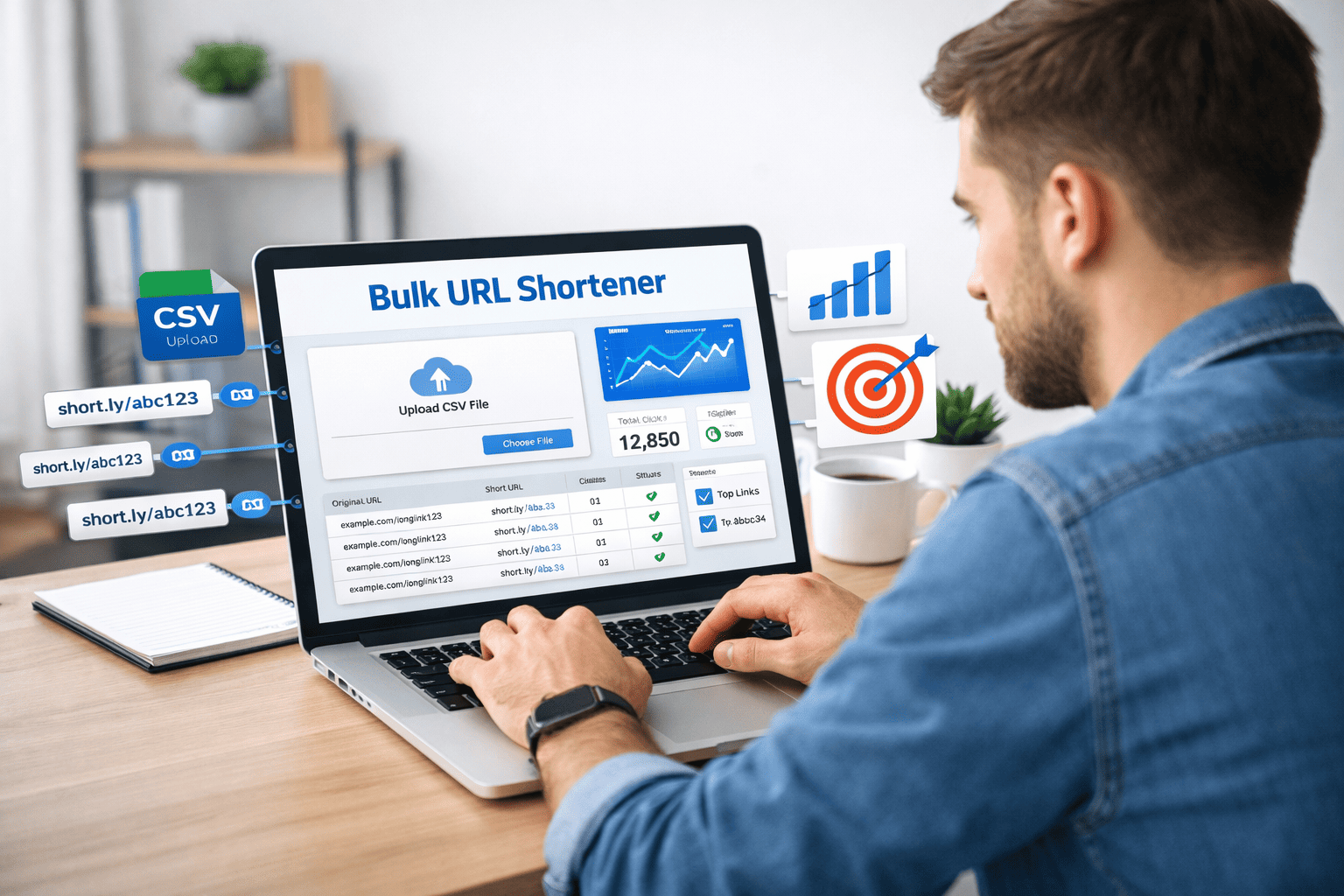
The bulk URL shortener at AtomicURL is genuinely useful here because most active influencers have dozens of affiliate links across multiple programs. You can shorten up to 50 at once, export the results as a CSV, and have an organized reference file of all your current affiliate short links. When a brand asks you to use their affiliate link in your next post, it's already shortened and ready in your spreadsheet rather than requiring a separate trip to your link shortener.
Exclusive Drops and Limited-Time Offers: The Access Control Layer
Some of the most valuable content influencers distribute isn't public. Early access to a product drop. An exclusive discount that only their audience gets. A private sale link. Behind-the-scenes content for their most engaged followers. A limited-availability course or digital product.
For any of these, the standard "put a link in your bio" approach has a problem: the link is visible to anyone who sees the post or the bio, not just your intended audience. Someone screenshots your story and shares the exclusive discount to a discount forum, and suddenly the brand is giving away margin to people who aren't your audience and the exclusive nature of the offer evaporates.
Password-protected links solve this elegantly. You share the link openly—in your stories, your bio, your posts—but access requires a password that only your audience knows. You can give it in a caption, a DM to engaged followers, or even a story that's only saved for 24 hours. The link can be seen by anyone; only your intended audience can use it.
One-time links take this further for truly individual distributions. If you're personally sending a specific follower access to something—a competition prize, an exclusive opportunity, a unique discount—a one-time link works once and then expires. It's theirs specifically. It can't be forwarded to someone else who then also gets in.
Click-based expiry is the right tool for capacity-limited drops. You're collaborating with a brand on an exclusive drop for "the first 200 followers who click." You set the click limit. After 200, the link closes. The offer was what you said it was—limited, real, honoring the people who showed up first.
YouTube, TikTok, and the Description Link Problem
Every YouTube video description has links. Most of them are raw URLs from affiliate programs or brand partners, and most creators don't think twice about it. They paste what they were given, add the required disclaimer, and move on.
What this means practically: a viewer watching a video about the best running shoes, interested in the specific model you mentioned, looks at the description and sees a URL that starts with the affiliate platform domain and ends with a string of numbers. They might click anyway. Or they might open a new tab and Google the shoe name directly.
Branded short links in YouTube descriptions look intentional. They look like the creator actually curated the experience rather than copy-pasting from a brand brief. For TikTok, where the description space is limited and the audience is accustomed to fast, clean experiences, the same principle applies even more.
The quick-share buttons for various social platforms at AtomicURL make it practical to deploy the same short link across your YouTube description, your Instagram bio, your TikTok profile, your Twitter post, and a follow-up email to your list—all from the same link creation workflow. One link, consistent across channels, trackable by using different slugs per platform if attribution matters to you.
Managing Multiple Active Campaigns Without Losing Track
Here's the influencer link management reality: if you're working with multiple brands simultaneously, running multiple affiliate programs, and regularly posting across multiple platforms—you have a lot of active short links at any given time. Some are evergreen. Some expire with campaigns. Some need to be updated when a brand changes their landing page.
The URL manager at AtomicURL is where all of this stays organized. Every link you've created is visible and manageable from one place. When a brand's affiliate link changes (it happens), you update the destination in the manager—all the places that short link appears continue working correctly without any broken links reaching your audience.
You might notice that the influencers who build genuinely sustainable income streams are almost always the ones who treat their business infrastructure—including something as mundane as link management—with the same care they bring to their content. It's not glamorous. But losing affiliate commissions because a link destination changed and nobody updated it, or having a brand partnership look unprofessional because the link in your bio goes nowhere—those things are avoidable with a few minutes of setup.
QR Codes for Influencers With Physical Touchpoints
Not all influencer work happens in a feed or a story. Live events, brand activations, meetups, merchandise, pop-ups—physical contexts where your audience is present and you want to connect them to a digital action.
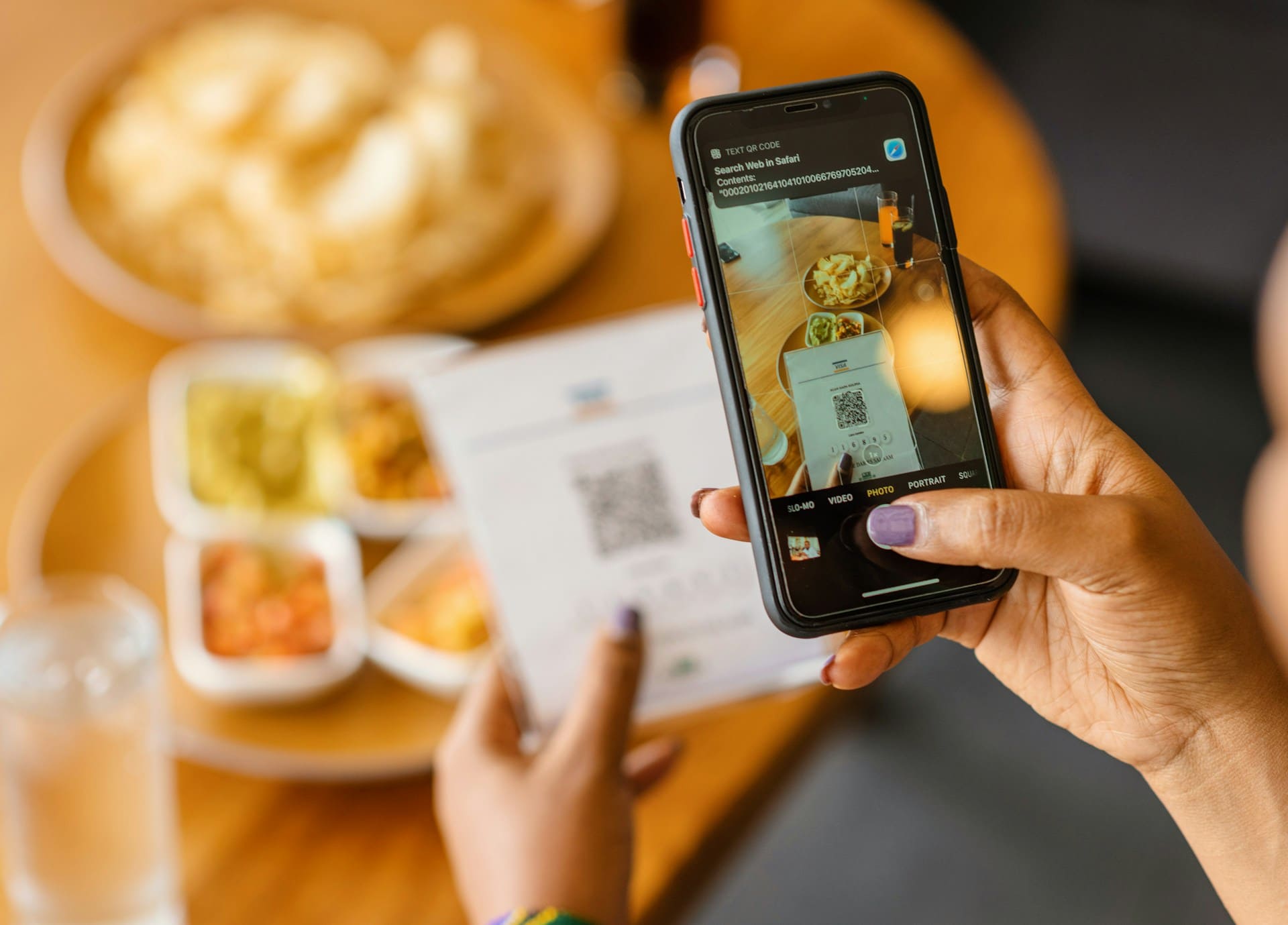
QR codes generated from your short links are the clean bridge here. A QR code on your merch, on a sign at your event, on the back of a business card you give to a collaborator—it scans directly to wherever you want your audience to land. AtomicURL generates QR codes for any short link directly, no separate tool required.
For influencers selling their own products or digital content, a QR code on packaging that points to an exclusive follow-up resource, a tutorial, a community, or a loyalty program is a post-purchase touchpoint that most creators completely overlook. The cost is zero and the impact on retention is real.
The Trust Equation
All of this is ultimately about the trust between an influencer and their audience—which is the only real asset in this business. The tools don't create trust. But sloppy infrastructure erodes it, quietly, over time.
An audience that clicks your links and consistently has clean, fast, functional experiences—where the link looks like what you described, goes where you said it would go, and works without any redirect lag or browser warnings—is an audience that keeps clicking. One that encounters broken links, suspicious-looking URLs, and expired pages that weren't supposed to be accessible anymore starts clicking less. And clicking less is exactly what you can't afford when your income depends on those clicks.
AtomicURL handles the infrastructure side without requiring a budget, a subscription, or a technical setup. No sign-up needed. Unlimited links. Lightning-fast redirects. The full set of access controls when you need them. It's not the interesting part of building an influencer business—but it's one of the parts that keeps the interesting stuff working.
Tags
#InfluencerMarketing #CreatorEconomy #ShortLinks #URLShortener #AtomicURL #AffiliateMarketing #ContentCreators #MonetizeYourAudience #InstagramMarketing #TikTokMarketing #YouTubeMarketing #BrandDeals #LinkInBio #DigitalMarketing #InfluencerTips
_Image_2.jpg)




.png)