
There's a moment every healthcare administrator quietly dreads—sending a patient a link and wondering, somewhere in the back of their mind, whether that link is actually safe. Whether it expires. Whether the wrong person could open it.
That moment is more common than it should be in 2026. And the honest truth is, most clinics, hospitals, and independent providers are still winging it when it comes to sharing patient-facing links digitally. They send full raw URLs through SMS. They email intake forms with links that never expire. They share telehealth session URLs in plain text. It works—until it doesn't.
This isn't really a compliance lecture. It's more of a practical conversation about what "sharing a patient link safely" actually looks like in day-to-day practice, and what tools actually help without adding another complicated system to learn.
Why the Way You Share Links Actually Matters
Let's be honest about something: a lot of healthcare providers think link security is someone else's problem. IT handles that. The EHR vendor handles that. But what happens between your system and the patient's phone or inbox? That gap—that last mile—is where things quietly fall apart.
Imagine a patient receives a link to their lab results via text. That link doesn't expire. Six months later, their phone is stolen. The thief now has access to that patient's health information. That's not a hypothetical. It's the kind of scenario that gets buried in incident reports.
Or consider this: your practice sends bulk appointment confirmation links to 40 patients at once. If even one of those links goes to the wrong number due to a database error, you've got a potential breach on your hands. These aren't dramatic edge cases—they're just what happens when link management isn't taken seriously.
The core issue is that most healthcare staff aren't thinking about URL security at all. They're thinking about the patient. Which is admirable, honestly. But the infrastructure underneath that care needs to hold up.
What "Secure Patient Link Sharing" Actually Looks Like
Here's the thing most guides skip over: secure link sharing isn't just about encryption. That's table stakes. Real security at the link level means controlling access after the link is sent. Who can open it. How many times. For how long.
Think about what you'd actually want from a link that carries patient-sensitive information:
It should expire. A link to a telehealth session doesn't need to be accessible three weeks after the appointment. Custom link expiry—where you set exactly when a link stops working—is genuinely underrated in healthcare settings.
It should have a use limit. Click-based expiry means a link becomes inactive after a certain number of opens. For things like one-time verification pages or single-use intake forms, this is exactly what you need. The link opens once, serves its purpose, and that's it.
It should optionally require a password. If you're sending something sensitive—a referral document, a diagnostic report link, discharge instructions with personal details—password-protected links add that extra layer without requiring the patient to create yet another account somewhere.
It should work exactly once when needed. One-time links are almost perfectly suited to sensitive patient communications. The patient opens the link, accesses what they need, and the URL becomes inactive. Simple. Clean. Auditable.
These aren't futuristic features. They exist right now. The question is whether your team is actually using them.
The Operational Reality: Bulk Sharing Without Bulk Risk
Here's a scenario that plays out in larger practices constantly. You're sending appointment reminders to 35 patients. Each reminder includes a unique link—maybe to a patient portal, maybe to a pre-visit form, maybe to a telehealth room. Manually generating and sending each of those links is tedious. Copying and pasting is error-prone. And if something goes wrong with one link, you usually don't find out until a patient complains.
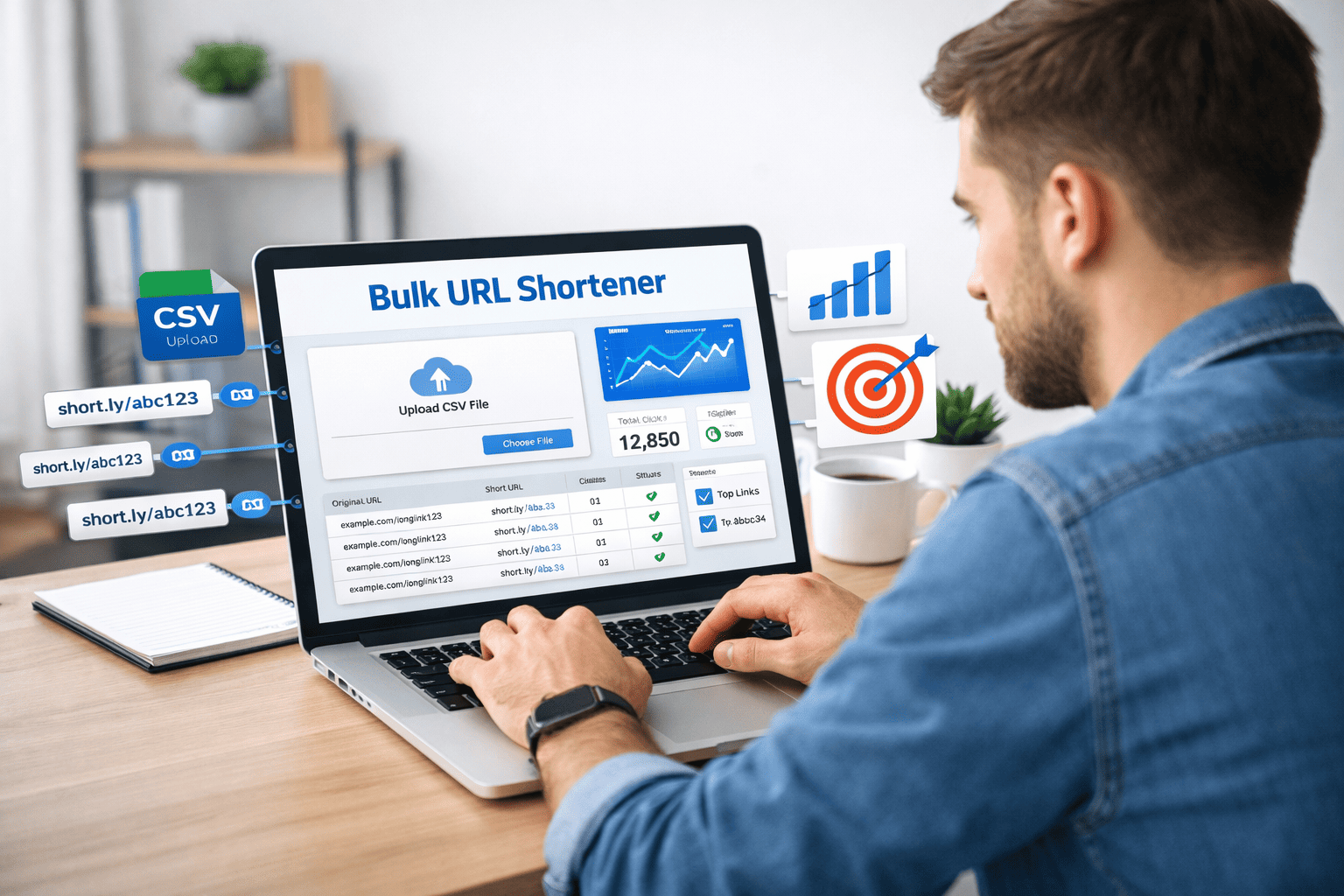
This is where a bulk URL shortener becomes genuinely useful in healthcare administration. The ability to shorten up to 50 URLs at once—and then export them as a CSV file—means your team can handle a full week's worth of patient link generation in a fraction of the time. More importantly, shorter links reduce the chance of truncation errors when links appear in SMS messages, which has always been a quiet problem nobody talks about.
And because you can customize those shortened links, they look deliberate and trustworthy rather than like a random string of characters that patients might reasonably hesitate to click.
Using AtomicURL for Healthcare Link Management
AtomicURL is one of those tools that's easy to overlook because it doesn't market itself specifically toward healthcare. But when you look at what it actually does, it maps very well onto the kinds of problems healthcare staff deal with daily.
No sign-up is required to get started—which matters more than it sounds. When you're a small clinic or an independent provider, the last thing you need is another platform account to manage, another set of credentials to remember, another subscription to justify in a budget meeting. You can start shortening and securing links immediately.
The URL manager gives you visibility over the links you've created, which is the kind of oversight that most healthcare teams have been missing entirely. Instead of just firing off links and hoping for the best, you can track, manage, and control what's active and what isn't.
Here's a fuller picture of what's available:
- No sign-up requiredGenerate & download QR codesQuick-share for social platformsBulk shortening (up to 50 URLs)Export as CSV fileInstant link shorteningCustomizable linksOne-click copyUnlimited linksLightning-fast redirectionReliable performanceCustom link expiryPassword-protected linksClick-based expiryOne-time links
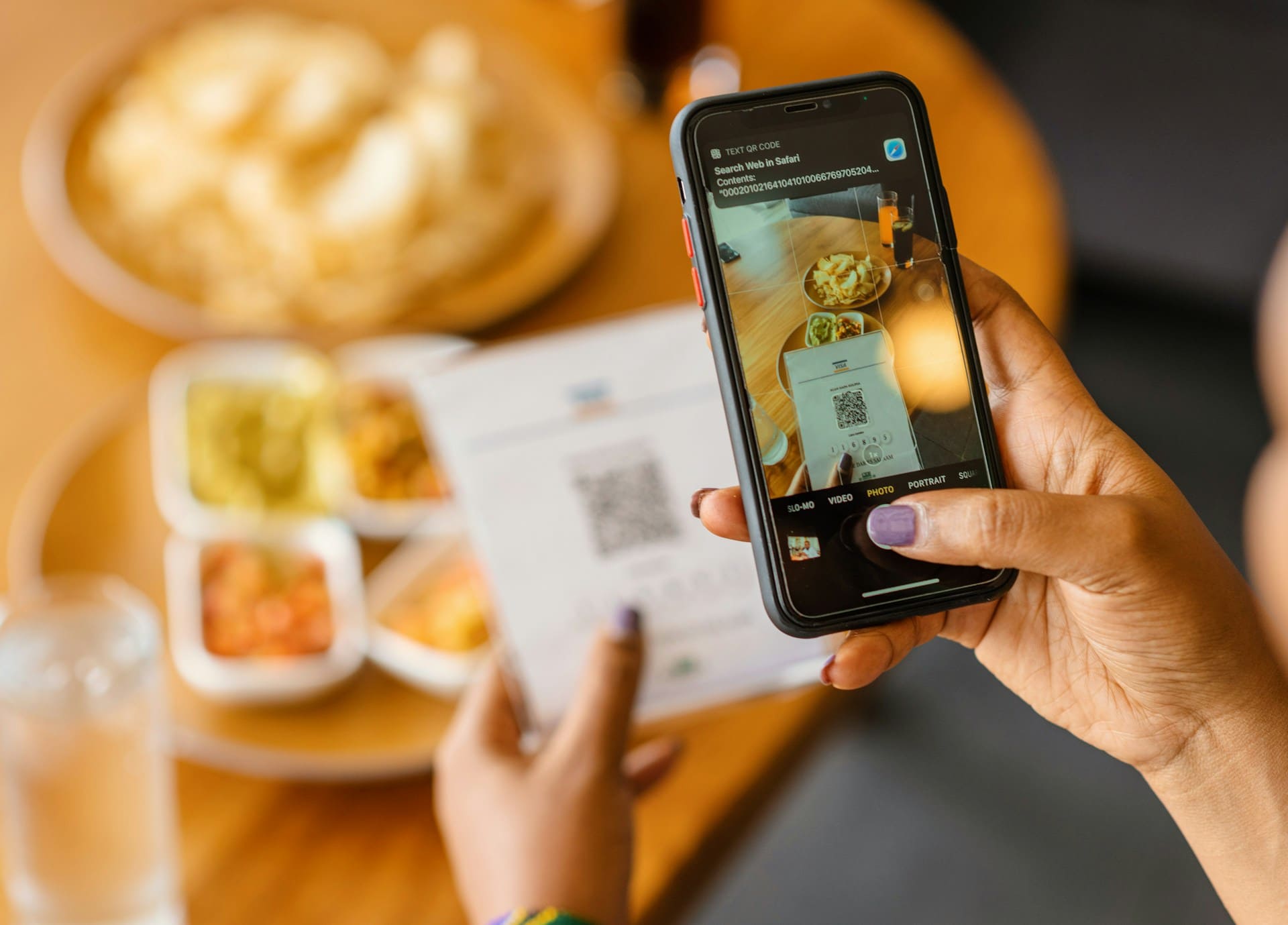
The QR code generation feature is particularly worth calling out for healthcare use. Printed discharge paperwork, waiting room posters for patient education, pharmacy pick-up notifications—these are places where a QR code is genuinely more usable than a raw URL. Patients can scan it on the spot without typing anything, and if you've set the link to expire or be single-use, the security controls still apply.
One practical tip: for patient education materials that don't contain personal information, you can use quick-share buttons to distribute links across communication channels quickly. For anything containing personal health details, stick to password-protected or one-time links sent through secure channels.
The Link Verification Problem Nobody Talks About
There's another angle here that doesn't get enough attention: patients receiving links they're not sure about. With phishing attempts increasingly targeting healthcare recipients—fake appointment confirmation emails, fraudulent pharmacy links—patients are rightly suspicious of unfamiliar URLs.
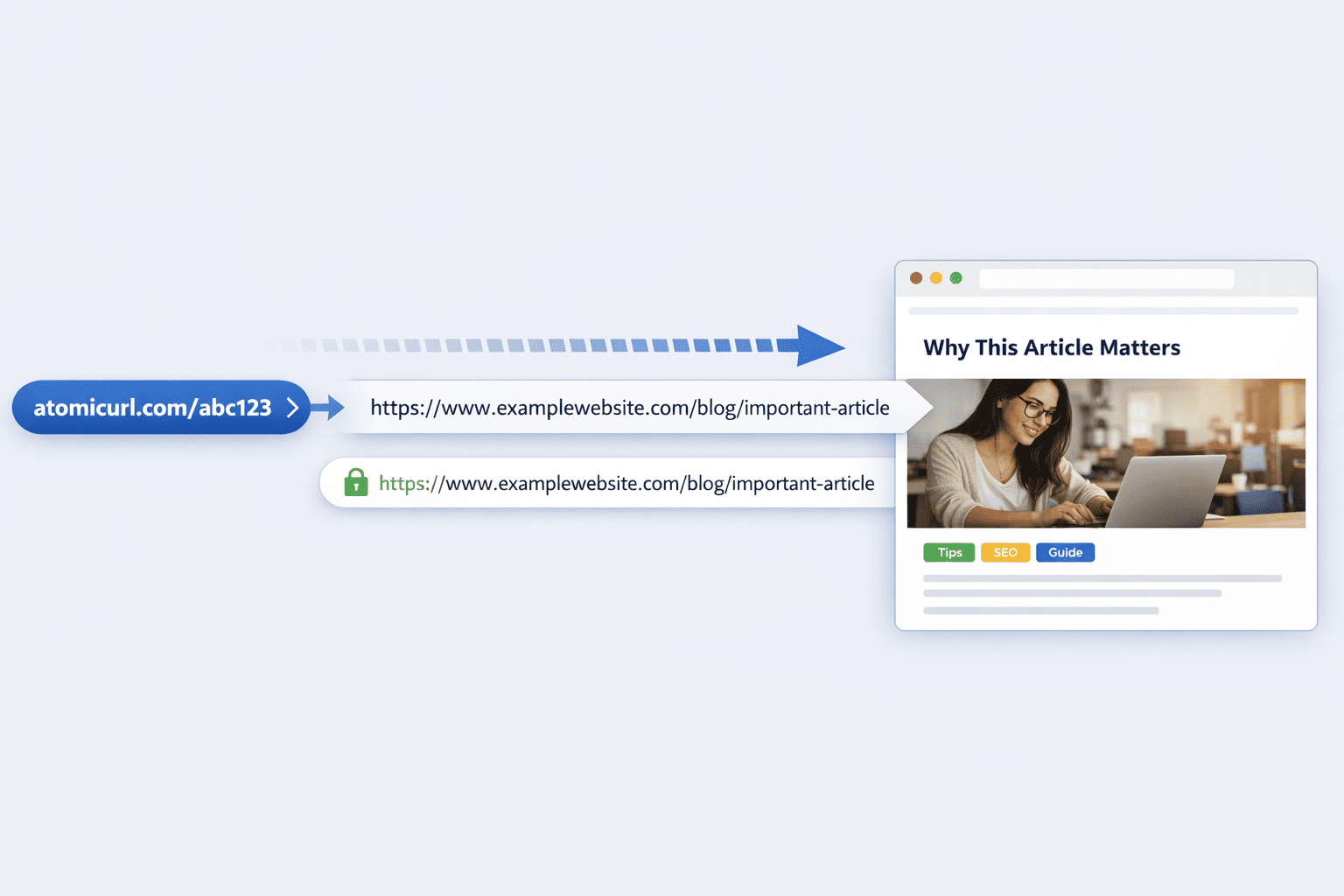
Short, customized links that clearly carry your practice's name or identifier reduce that friction. A link that reads something like atomicurl.com/cityclinic-intake is far more trustworthy-looking than a 200-character URL with random query parameters. And for patients who want to verify a link before clicking, the URL expander tool lets anyone check where a shortened link actually leads before opening it. That's a small but meaningful trust-builder.
You might even consider adding a note in your patient communications: "You can verify any link we send by using a URL expander." That kind of transparency goes a long way in building digital trust with your patient population.
Practical Scenarios Where This Changes Things
Let's get specific, because abstract advice only goes so far.
Telehealth session links: Generate a one-time link for each session. The patient clicks it, joins the call. After the session, the link is dead. No lingering access, no shared session URLs floating around in text threads.
Lab result notifications: Use a password-protected link. The patient's date of birth or the last four digits of their file number becomes the password. Simple to communicate, adds meaningful protection.
Bulk appointment reminders: Use the bulk shortener to generate 30 unique links in seconds, export to CSV, and pass to whoever handles your SMS or email outreach. Set each link to expire 24 hours after the appointment time.
Waiting room patient education: Generate a QR code for a general health information page—no personal data, just resources—and print it on a poster. Patients scan it on their own phones without touching a shared tablet.
Post-discharge instructions: Send a link that expires in 72 hours and can only be opened twice. Enough time for the patient to read it and show a family member, but not hanging around indefinitely.
None of these require technical expertise. That's kind of the point. Lightning-fast redirection means patients don't sit there watching a loading screen and assuming something's broken. Easy-to-use tooling means your front desk staff can handle link management without a training course.
A Note on Compliance and Common Sense
This article isn't legal advice, and no single tool is going to make your organization HIPAA-compliant on its own. That requires broader policies, staff training, and proper data handling agreements. But the link layer of your communication stack deserves attention as part of that broader picture.
What's clear is that link management tools with expiry controls, password protection, and one-time use settings reduce your exposure. They're not a replacement for a security framework—they're one practical piece of it. The kind of piece that's easy to implement and easy to explain to staff and patients alike.
Using unlimited links without worrying about arbitrary caps also means you're not tempted to reuse links across patients to save your "quota." That's a real-world shortcut people take when tools feel restrictive. Removing that temptation matters.
Healthcare is personal. The information flowing through your systems—lab values, diagnoses, session recordings, prescriptions—deserves to be handled with care at every step, including the moment a link leaves your system and lands in a patient's hands. The tools to do this well aren't complicated or expensive. They just need to be used. Start there.
Tags
#Healthcare #PatientPrivacy #SecureLinks #HealthcareSecurity #URLShortener #HIPAA #Telehealth #DigitalHealth #PatientCommunication #LinkManagement #HealthcareIT #CyberSecurity #PatientSafety #HealthTech #DataPrivacy #MedicalRecords #HealthcareCompliance #SecureSharing #QRCode #AtomicURL
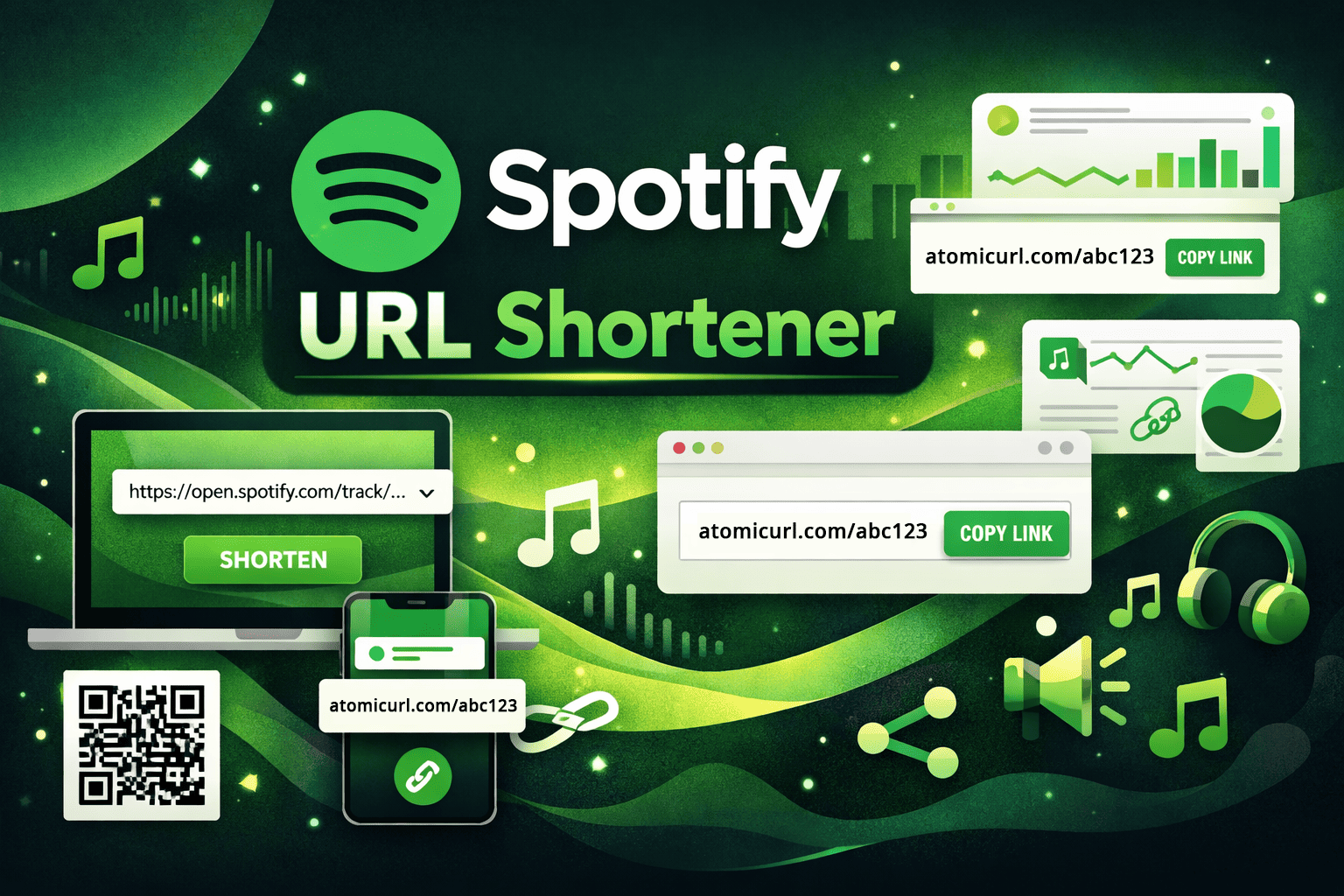
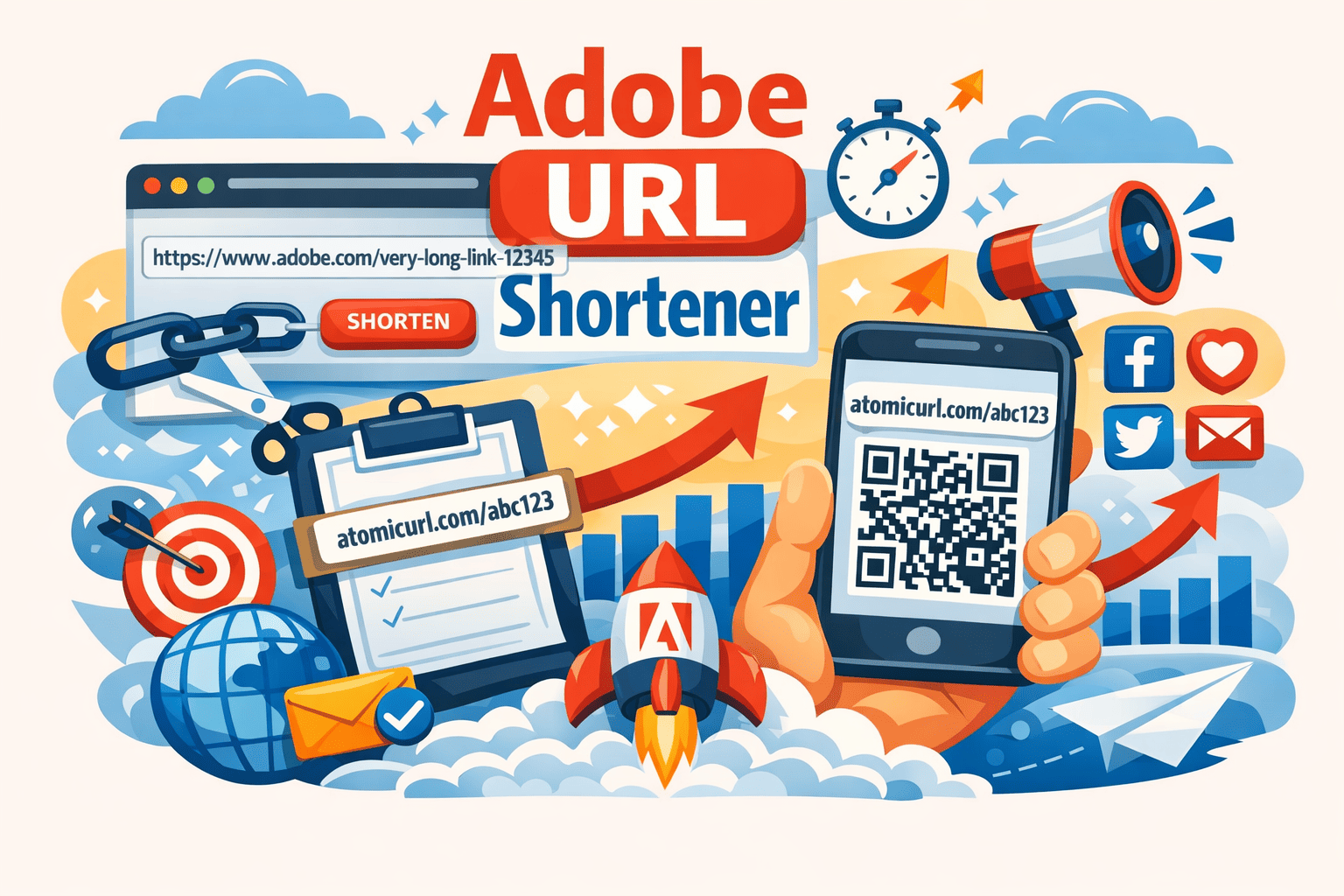
_Image_2.jpg)





.png)