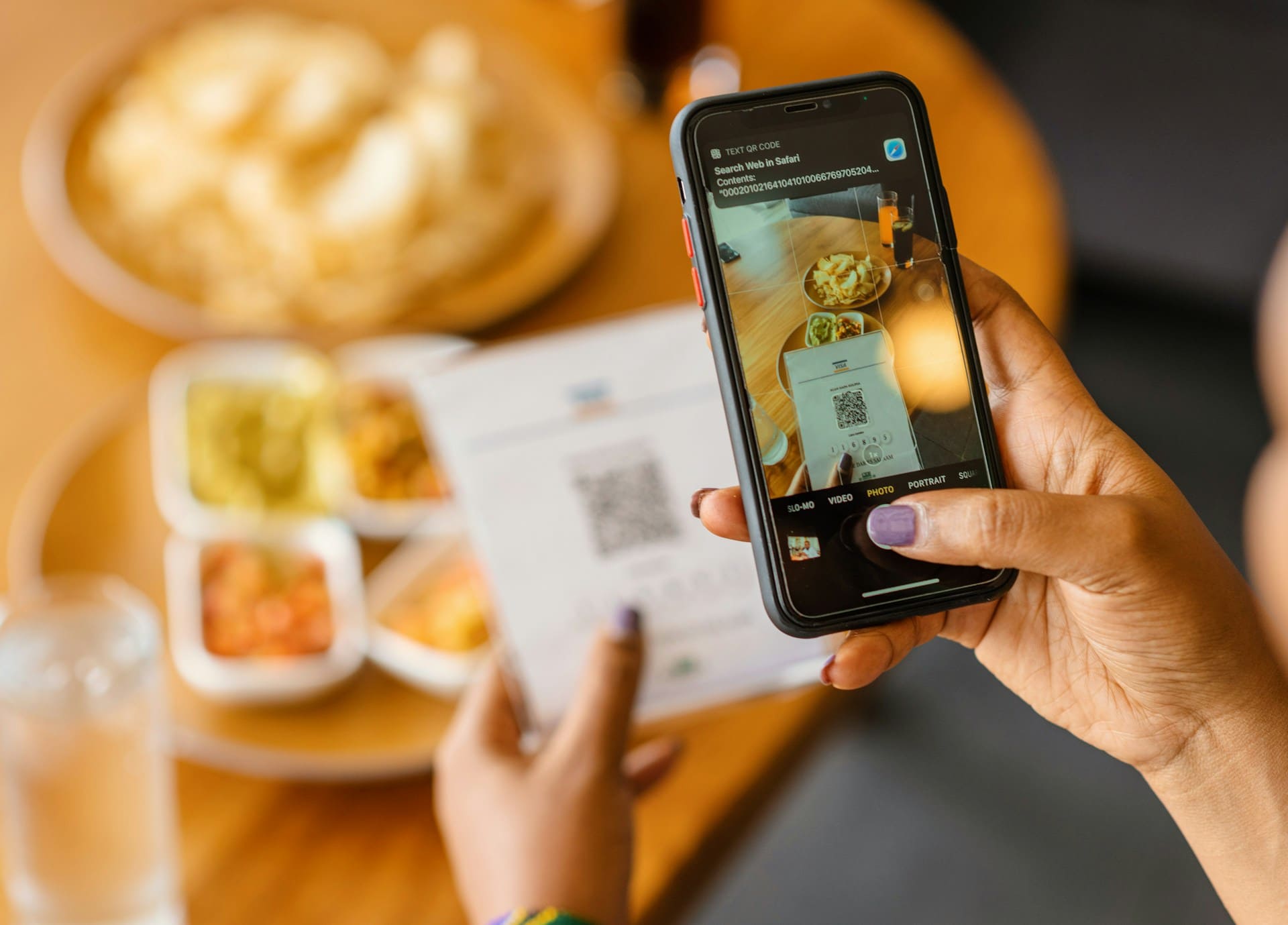

Walk into almost any modern café or casual restaurant these days and you'll spot it—a small square printed somewhere on the table, at the counter, or taped to the wall. It's a QR code. Maybe you've scanned one. Maybe you still squint at them suspiciously. Either way, they've quietly become one of the most practical tools in a restaurant owner's toolkit, and they're not going anywhere.
But here's the thing most food businesses get wrong: they create a digital menu, slap a QR code on it, and call it done. The link is long, ugly, impossible to type, and when the menu changes? They're printing new QR codes again. That's not a system. That's just a slightly fancier problem.
What actually works—and what more restaurants are discovering—is pairing QR codes with properly managed short links. When you do that, something shifts. The whole experience gets smoother, for the customer and for you.
Why the "just generate a QR code" approach falls short
Let me paint a picture. You upload your menu to Google Drive or a PDF hosting site. You get a URL that looks something like this: https://drive.google.com/file/d/1BzFxUNwT9KYe2vz3mQlA8sPd7rRhVk5/view?usp=sharing. You paste that into a QR code generator, print it out, and laminate your table tents. Looks clean, right?
Now imagine you add a new seasonal dish three weeks later. Or prices change. The link stays the same, sure, but now you want to swap the destination to a different page. Except your QR code is already printed. So you either live with an outdated menu or start printing again.
The smarter approach—and one that saves real money over time—is to shorten your menu URL first, make it customizable and updatable, and then generate the QR code from that short link. When the destination needs to change, you update the short link. The QR code stays exactly the same. No reprinting.
This is where a tool like AtomicURL genuinely earns its keep. It's a URL shortener built for this kind of practical, ongoing use—and what stood out to me immediately is that it requires no sign-up whatsoever. You don't have to create an account, verify an email, or navigate a dashboard. You paste a link, shorten it, and you're done.
"The QR code stays the same. When your menu changes, you update the link—not the printed table tent."
Setting up your digital menu the right way
Start with wherever your menu actually lives. That might be a Google Doc, a PDF, a custom website page, a third-party ordering platform—whatever your setup is. Take that full URL, go to AtomicURL, and shorten it. It takes about fifteen seconds. Then—and this is the part most people skip—customize the link.
Instead of something random, you can end up with a link like atomicurl.com/tacotuesdaymenu or atomicurl.com/pizzapalacemenu. That's a real URL a customer could type if they needed to. More importantly, it's something your staff can actually say out loud if someone asks.
From there, you download the QR code directly—no separate generator needed. AtomicURL lets you generate and download QR codes right from the same interface. Again, no account required, no paid tier unlocking, just a direct download.
Real-world scenario
A small Italian restaurant runs three different menus—regular dining, brunch, and a seasonal tasting menu. Instead of printing three separate QR code cards every time something changes, they create three short links and print them once. When the tasting menu updates monthly, they change only the destination URL. The printed cards on the tables never need replacing.
Managing multiple locations or menus in bulk
Here's where things get especially useful for anyone running more than one location, or managing menus for multiple clients. AtomicURL's Bulk URL Shortener handles up to 50 URLs at once. You paste them in, shorten the whole batch, and export everything as a CSV file.
Think about what that means practically. A franchise owner with five locations can shorten all five menu URLs in one pass, export the results, hand the CSV to each location manager, and be done in ten minutes. A catering company with separate menus for different packages—corporate lunch, wedding receptions, cocktail hours—can manage all of them from a single operation.
The CSV export specifically is a detail I appreciate. It means the output isn't just something you screenshot or manually copy—you've got a structured file you can drop into a spreadsheet, share with a team, or use to generate a batch of QR codes without extra friction. That's thoughtful design for people who actually have things to do.
Sharing menus on social media—faster than you'd expect
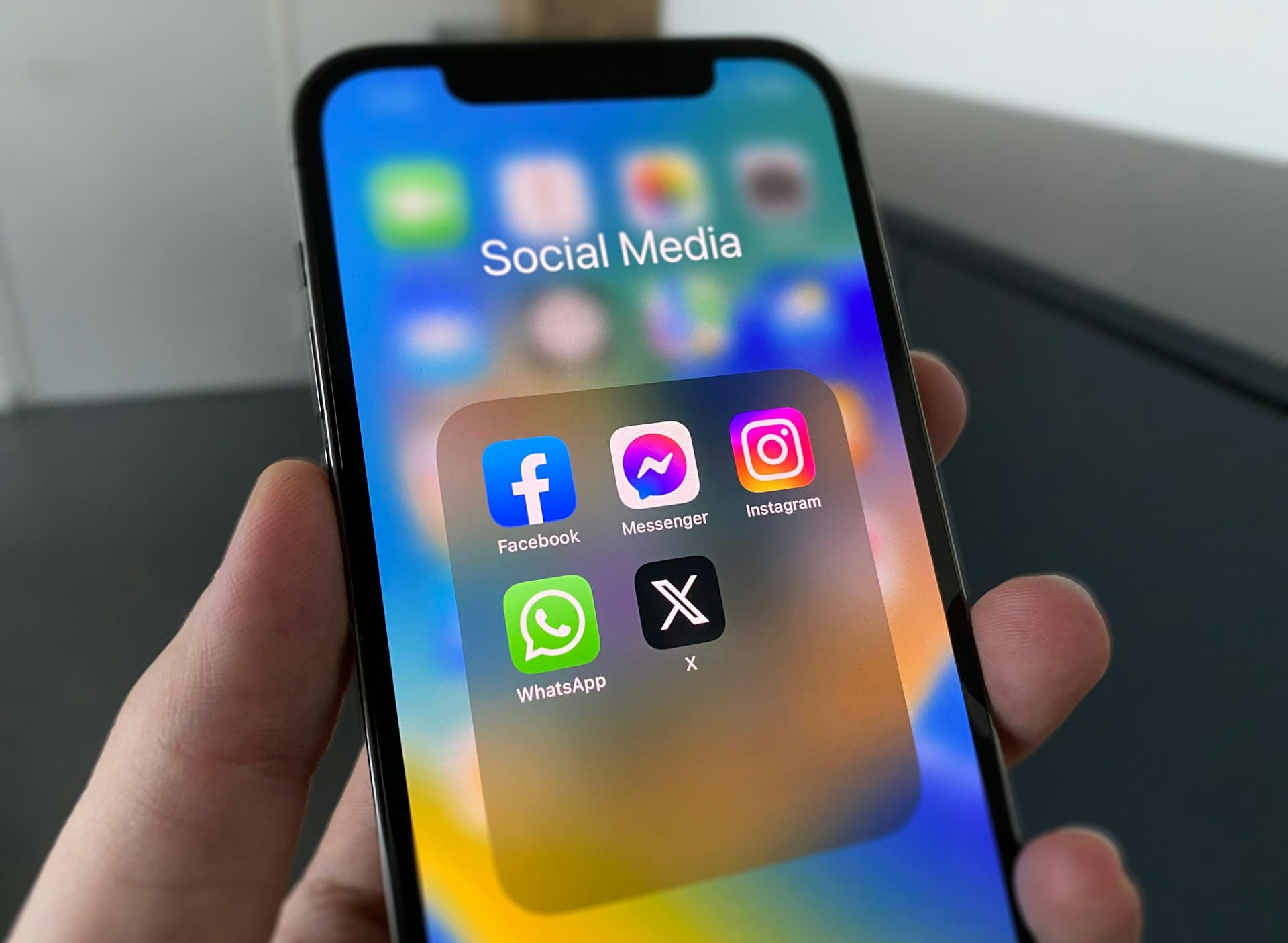
Something restaurants often overlook: your digital menu isn't just for tables. It belongs on your Instagram bio, your Facebook page, your WhatsApp business profile, and anywhere else a potential customer might be deciding whether to visit.
AtomicURL includes quick-share buttons for various social media platforms, so once you've got a short menu link, sharing it is a one-tap action. Not copy the link, open a browser, paste it, find the right field—just click share. That's the kind of small friction reduction that actually changes behavior.
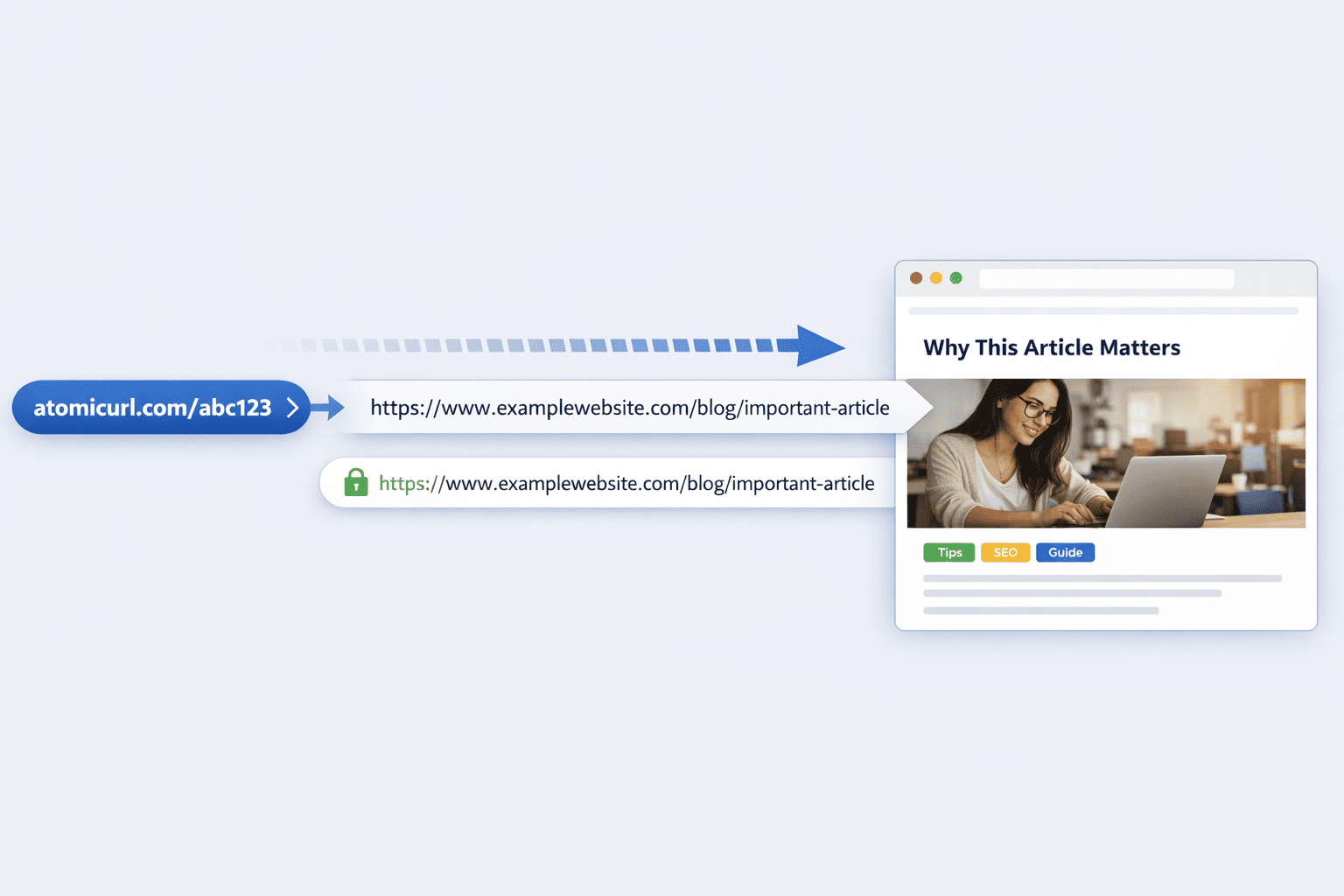
And if you ever want to verify what a shortened link actually redirects to before sharing it—especially useful when you're working with someone else's shortened link—AtomicURL also includes a URL Expander Paste the short link, see the full destination. Clean and reassuring.
The features that matter for restaurants specifically
Let me break down what's actually available on AtomicURL that applies to restaurant use—not in the abstract "this tool has features" way, but in terms of what real scenarios these address:
AtomicURL Features for Restaurants
No sign-up required
Jump in and shorten your menu link immediately, no account needed.
Generate & download QR codes
Create a printable QR code directly from your short link.
Customizable links
Set a readable slug like /dinnerspecials instead of a random string.
Custom link expiry
Perfect for limited-time menus, seasonal specials, or event menus.
Password-protected links
Useful for staff-only pricing sheets or private event menus.
One-time links
Great for exclusive preview menus or invitation-only pop-up events.
Click-based expiry
Automatically deactivate a menu link after a set number of scans.
Bulk shortener (50 at once)
Ideal for franchises or catering services with many menu variants.
Export as CSV
Download all your short links in a structured file for easy management.
Lightning-fast redirection
Customers scan and land immediately—no frustrating loading delays.
One-click copy
Share your menu link instantly without fumbling with long URLs.
Unlimited links
No cap on how many short links you create across your operation.
That password-protected link feature is worth a separate mention, actually. Think about a restaurant hosting a private corporate dinner—the client wants to preview the custom set menu before the event. You send them a password-protected link. They see exactly what they're getting. Nobody else does. That's a level of service that feels intentional, and it costs you nothing extra to offer.
Similarly, the custom link expiry is genuinely clever for restaurant contexts. Running a special prix-fixe menu for Valentine's Day? Set the link to expire on February 15th. Once the date passes, the menu link simply stops working—you don't need to remember to take it down or worry about customers seeing outdated pricing. It handles itself.
A word on customer experience—which is the actual point
Let's be honest about something: diners don't care about URL shorteners. They care about scanning a code and immediately seeing what they can eat. The whole infrastructure discussed above—the short links, the QR codes, the customizable slugs—exists to create a moment that feels effortless to the person sitting at your table.
And that moment is more fragile than most restaurant owners realize. If a QR code leads to a slow-loading page, or worse, a broken link because the destination moved, the customer doesn't just get annoyed. They lose a tiny bit of trust in the place. It seems trivial, but the cumulative effect of small frictions in a dining experience is real.
AtomicURL's focus on lightning-fast redirection and reliable performance matters precisely because of this. A QR code scan should be a seamless handoff, not a moment where someone watches a spinner wondering if something's wrong with their phone.
"Diners don't care about URL shorteners. They care about scanning a code and immediately seeing what they can eat."
You can also manage all your shortened links from the URL Manager—a simple dashboard where your created links live. If you run multiple dining concepts, seasonal menus, or special events throughout the year, having everything organized in one place saves the kind of time you'd rather spend on the actual running of your restaurant.
Putting this into practice—right now, if you want
There's a real case for starting today rather than "when we revamp the website" or "after the renovation." The barrier here is genuinely low—it's a few minutes of work, no cost, no account creation, and the output is a cleaner customer experience immediately.
Here's a simple starting point: take your most-used menu link, head to AtomicURL, shorten it, customize the slug to something obvious, download the QR code as an image, and drop it into your next print run of table cards or tent menus. That one change—even if you stop there—means you'll never have to reprint because a menu URL changed again.
From there, you can explore the more nuanced features as your needs evolve. The bulk shortener becomes relevant when you're scaling. Password protection when you're hosting private events. Custom expiry when you're running time-sensitive promotions. These aren't features you need to figure out all at once—they're there when the situation calls for them.
What strikes me about this kind of tooling is how it removes the gap between a restaurant owner's intention ("we should have a digital menu") and the execution ("okay but how do we actually maintain it without constant technical effort"). That gap is where a lot of good ideas die in small food businesses. Short links and QR codes—done properly—close that gap down to almost nothing.
The food industry is already complicated enough. The way customers access your menu doesn't need to be.
Ready to set up your digital menu?
No sign-up needed. Shorten your first menu link in under a minute.
Tags
#QRCodeMenu #DigitalMenu #RestaurantTech #URLShortener #ContactlessDining #QRCodeRestaurant #AtomicURL #SmallBusinessTech #MenuManagement #FoodIndustry#RestaurantMarketing #ShortLinks
_Image_2.jpg)





.png)