
Here's something most small nonprofits never think about until it's too late: the link they're sending donors actually matters—not just where it goes, but how it looks, how it performs, and whether people even bother clicking it at all.
You've probably seen it. A charity posts on Facebook asking for donations and drops a link that looks like: https://give.example.org/campaigns/2026/spring/donate?source=fb&medium=social&cid=84729. It's 90 characters of digital anxiety. Nobody trusts that. Some people won't even tap it on mobile. And yet, that same organization spent weeks crafting the perfect emotional message around it.
That's the gap. And it's one that a good free URL shortener can close—quickly, easily, and without any budget.
Let's talk about this practically, because the theory is less useful than the reality for organizations that are often running campaigns on shoestring coordination.
Why Links Are Quietly Hurting Your Donation Rate
When someone decides to give, there's a tiny window of impulse and intention. They feel moved, they want to act, and then—friction happens. A clunky link is friction. A link that looks suspicious is friction. A link that breaks in a text message because it wrapped across two lines? That's donation-killing friction.
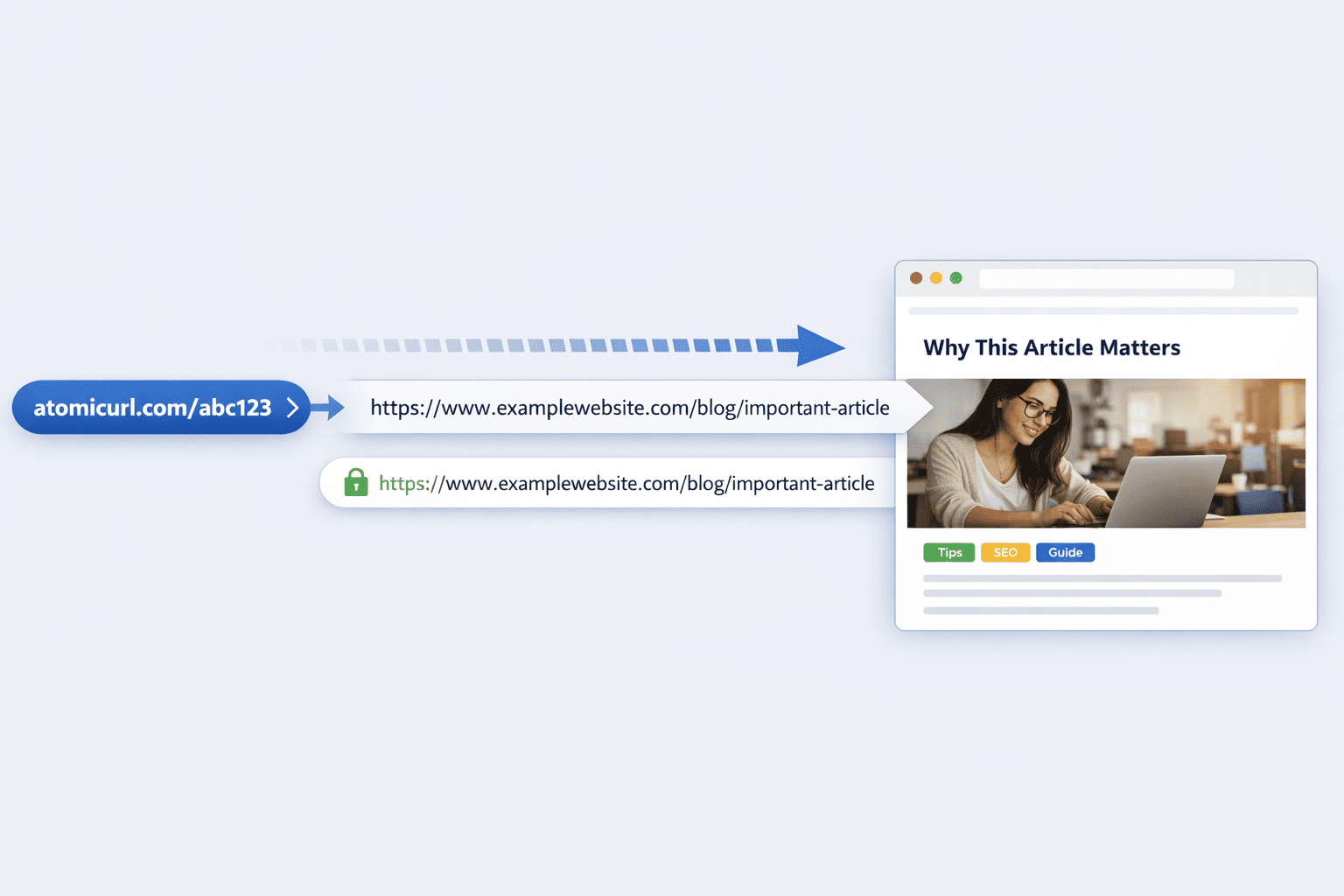
Short, clean links remove that friction. They also build a subtle kind of trust. A link like atomicurl.com/give-spring2026 communicates intentionality. It says someone put thought into this. That's not a small thing when you're asking strangers to hand over their card details.
There's also a practical consideration that's easy to underestimate: short links are simply more shareable. Volunteers forwarding emails. Board members texting their networks. Supporters sharing in WhatsApp groups. All of these scenarios work better with a short, memorable link than with a 120-character UTM-laden URL.
"A cleaner link isn't vanity—it's the difference between a donor clicking and a donor scrolling past."
The Case for Free Tools (And Why Paid Isn't Always Better)
Some nonprofits assume they need to pay for tools to get reliable ones. That's not true in 2026, especially for link management. There are genuinely capable free URL shorteners out there that do everything a small-to-mid-size nonprofit campaign actually needs.
One worth knowing about is AtomicURL. It doesn't require sign-up, which honestly is the first thing that matters when you're onboarding a volunteer coordinator at 9pm before a campaign launch. No account setup, no email confirmation loop, no forgotten passwords two months later. You paste your link, you get a short one, and you move on.
That sounds minor. It isn't. Nonprofits often have rotating staff and volunteers who need to do things quickly without getting tangled in admin. A tool that respects that reality is worth a lot.
But beyond the no-signup convenience, AtomicURL has a range of features that are genuinely useful for donor campaigns—not just theoretically, but in the messy, deadline-driven way campaigns actually run.
What AtomicURL Offers Nonprofits (All Free)
No sign-up requiredInstant link shorteningCustomizable linksGenerate & download QR codesQuick-share for social mediaBulk shortening (up to 50 URLs)Export as CSV fileOne-click copyUnlimited linksLightning-fast redirectionCustom link expiryPassword-protected linksClick-based expiryOne-time linksReliable performance
Let's unpack some of these, because they're more campaign-relevant than they might look at first glance.
QR Codes: The Underused Fundraising Tool
If your nonprofit does any in-person events—galas, community fairs, church drives, school fundraisers—QR codes are not optional anymore. They're expected. People see a QR code and they know exactly what to do with it.
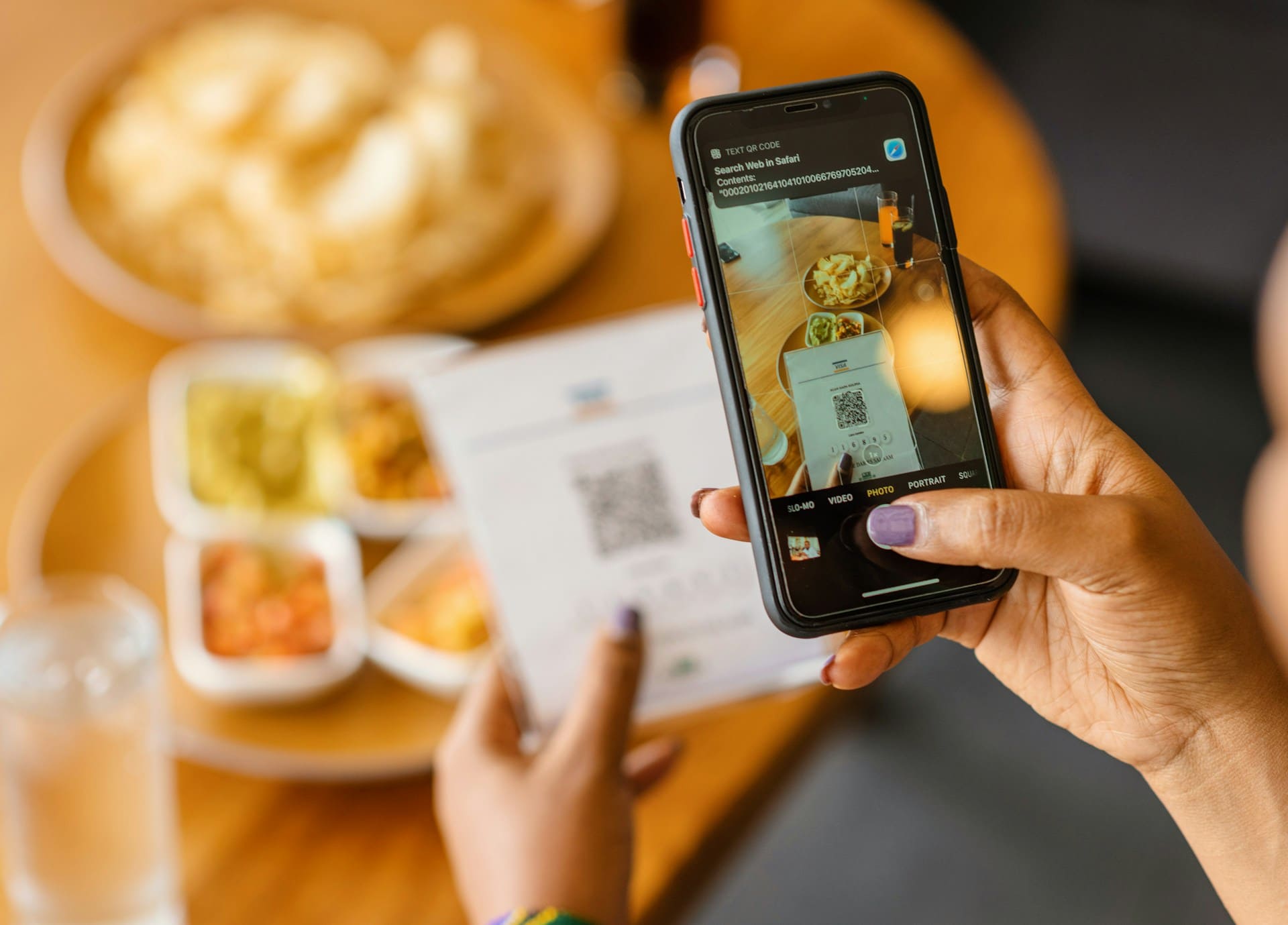
AtomicURL generates QR codes for every shortened link, and you can download them directly. Stick one on a table tent at your gala. Print it on your event flyer. Put it on the PowerPoint slide at the end of your presentation. That one simple step turns a passive audience moment into an active donation opportunity.
You might notice how many organizations still hand out paper donation forms at events. That's fine, but offering a QR code alongside it can meaningfully increase how many people actually follow through. The barrier goes down when the process is just: point camera, tap, give.
✦ ✦ ✦
Running Multiple Campaigns? Bulk Shortening Changes Everything
Here's a scenario. It's year-end giving season. You've got a general donation page, a matching gift page, a volunteer signup, a newsletter subscription, a specific program fund, and three regional event registrations. That's easily 8–10 links you need to prepare and distribute.
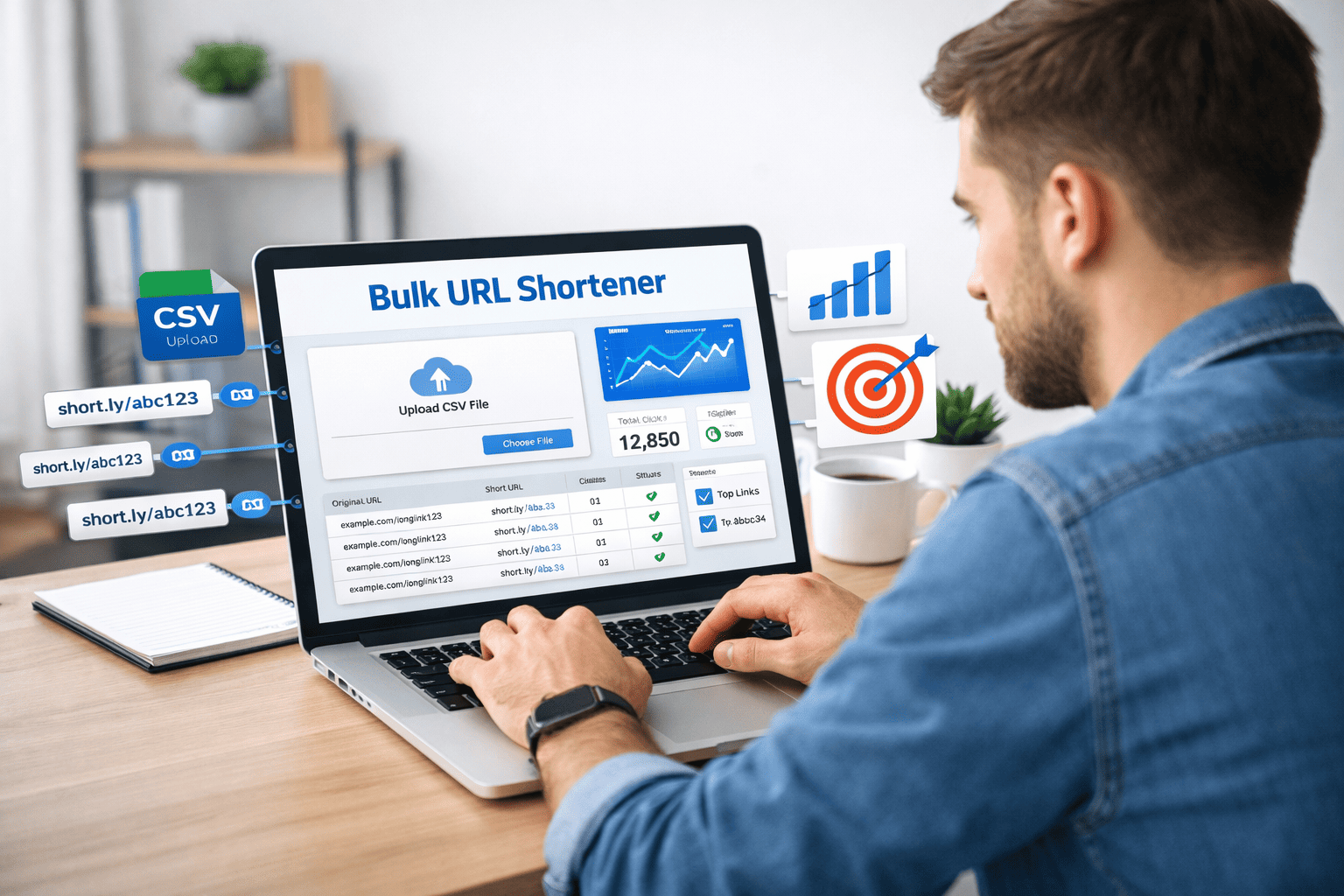
Doing those one at a time is tedious. AtomicURL's bulk URL shortener lets you handle up to 50 URLs in a single session. You paste your list, shorten everything at once, and then export the results as a CSV file. That CSV goes straight into your spreadsheet, your email campaign tool, your donor CRM, whatever you're using.
For a communications director juggling a December campaign, that's not a minor convenience—it's probably two hours back in their week. And those two hours matter when you're a one-person shop.
Customizable Links and Why Branding Actually Builds Trust
There's a real difference between sending someone to atomicurl.com/x7k2m and sending them to atomicurl.com/give-clean-water. The second one tells a story in the link itself. It reinforces what the donation is for. It makes the URL shareable by word of mouth, which happens more than people realize—someone reading a newsletter out loud, someone describing a link over the phone.
Customizable links also make your campaigns easier to manage internally. When you're looking at a list of links six months later trying to figure out which one was for which campaign, a meaningful slug is a lifesaver.
The URL manager keeps things organized so nothing gets lost in the shuffle, which matters more as your campaigns scale.
Smart Expiry Features That Most Nonprofits Miss
This is where things get genuinely clever. Most people think of URL shorteners as just... making links shorter. But AtomicURL has expiry options that can actually shape donor behavior.
Custom link expiry means you can set a link to stop working after your campaign closes. No more donors landing on a dead donation page six months after the fact and getting confused. You control the window.
Click-based expiry is interesting for early-bird campaigns. Imagine a "first 100 donors get a matching gift" situation. You set the link to expire after 100 clicks. The 101st person gets a graceful redirect or message. It's a simple way to enforce scarcity without manual monitoring.
One-time links are useful for private or sensitive communications—maybe sending a unique donation link to a major donor that's meant specifically for them, or distributing exclusive early access to a campaign before it goes public.
And password-protected links? That's useful when you're sharing a preview of a campaign page with your board or major donors before launch without it going public. Share the link, share the password, done.
These aren't gimmicks. They solve real problems that nonprofits deal with but often solve badly—or don't solve at all.
Social Sharing: Meeting Donors Where They Already Are
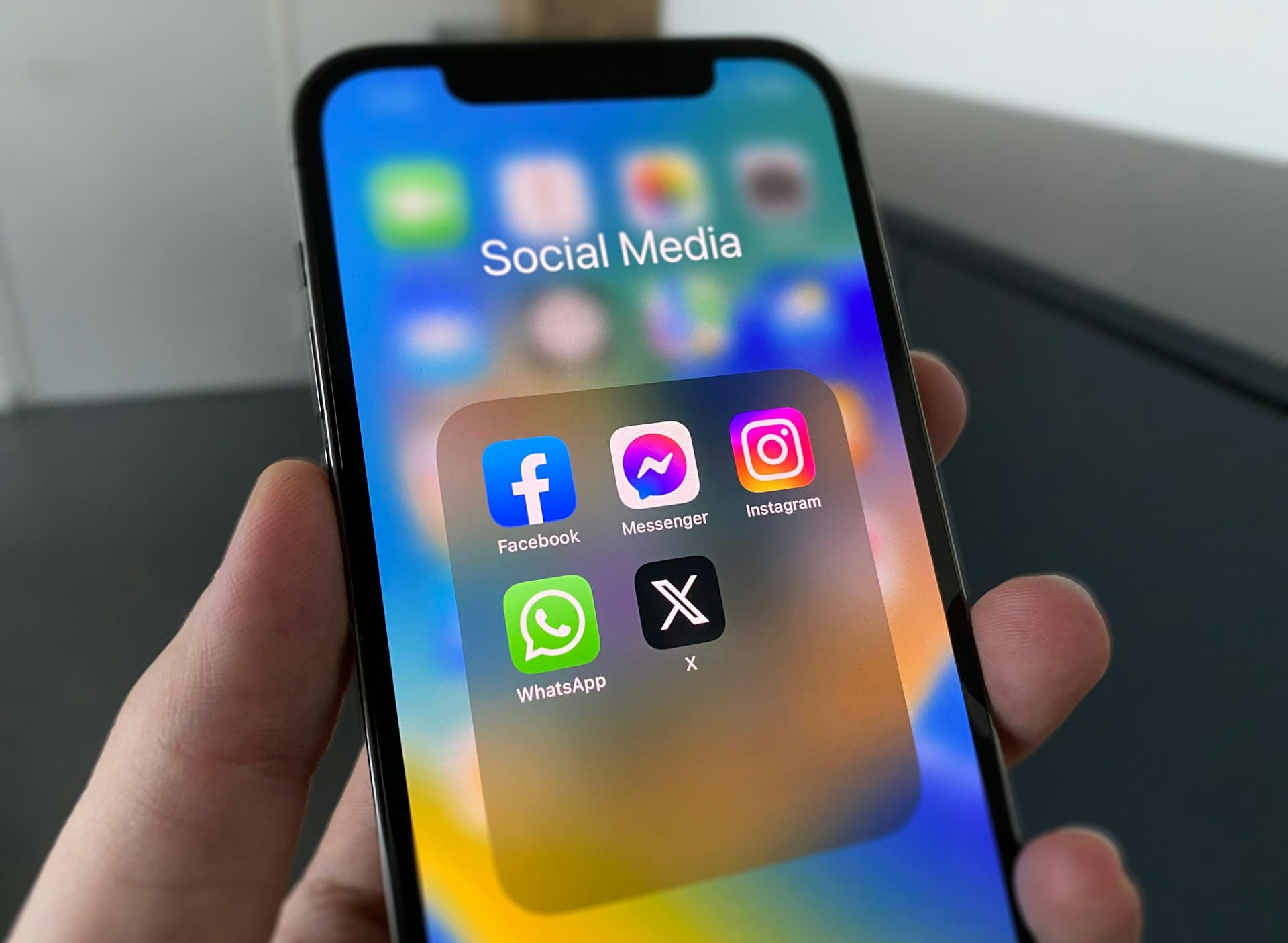
One thing AtomicURL does that's easy to overlook is the quick-share buttons for various social platforms. You shorten a link and immediately have one-tap sharing options for wherever your audience lives—Facebook, Twitter/X, WhatsApp, LinkedIn, and others.
This matters for volunteer-driven campaigns especially. When your volunteers are sharing on their personal networks, you want to make it dead simple. The fewer steps between "I want to share this" and "I shared it," the more people actually do it.
There's also the matter of the URL expander, which lets people check where a shortened link goes before clicking. In a world where phishing is rampant and people are rightfully cautious, having this option available—and even mentioning it to your audience—builds an extra layer of trust around your campaign links.
"Donors are smart. If your link looks sketchy, they won't risk it. A clean, trustworthy URL is part of your organization's credibility."
Reliability Is Non-Negotiable When Donations Are on the Line
Let's be honest about one thing: free tools sometimes feel risky precisely because they're free. What if the link goes down right when your campaign peaks? What if redirection is slow and donors bounce?
This is a legitimate concern, and it's worth addressing. AtomicURL is built for lightning-fast redirection and reliable performance—the kind of infrastructure that doesn't hiccup during a Giving Tuesday spike or a viral social post. When thousands of people are clicking a link in a short window, that performance consistency is what separates a successful campaign from a frustrating one.
The unlimited links policy also means you're never in a position where you hit some artificial cap right before a campaign. That's a real headache with some free-tier tools that gate features behind paywalls. Here, there's no ceiling to stress about.
Putting It Together: A Simple Campaign Workflow
Say you're running a spring campaign for a food bank. Here's how this actually looks in practice:
You create your donation page and three or four supporting pages (volunteer sign-up, newsletter, matching gift info). You head to the bulk shortener, paste all your URLs, and get clean customized links in seconds. You download the CSV, drop the links into your email template, your social posts, and your print materials. For the upcoming community fair, you download the QR code for your main donation link and send it to the printer. You set the donation page link to expire the day after the campaign ends. You share the campaign preview link with your board using password protection before the public launch.
That whole workflow, from zero to ready? Maybe thirty minutes. No budget spent. No tool subscriptions to manage. No learning curve to climb.
The Bigger Picture: Small Tools, Real Impact
Nonprofits are often told to think big—big campaigns, big visions, big impact. That's right. But the mechanics of fundraising live in the small stuff. A link that loads fast. A QR code that's ready for print. A share button that volunteers actually use.
Free URL shorteners aren't going to replace your donor strategy or your storytelling. But they remove friction at exactly the moment when friction is most costly—when someone has already decided to give and just needs a smooth path to do it.
For any nonprofit operating with limited resources (which is most of them), that matters more than it sounds. The best tools are the ones you'll actually use, consistently, without drama. AtomicURL fits that description.
Start with one campaign. Shorten your links, generate a QR code, try the bulk export. See how it changes the way your team handles link distribution. You probably won't go back.
Tags
#NonprofitMarketing #DonorCampaigns #URLShortener #FreeNonprofitTools #DigitalFundraising #AtomicURL #QRCodeMarketing #GivingTuesday #NonprofitTips #ShortenURL #BulkURLShortener #FundraisingStrategy #SmallNonprofit #DonationPageOptimization #CharityMarketing #VolunteerMarketing #SocialMediaFundraising #URLManager #LinkShortening #NonprofitGrowth
_Image_2.jpg)






.png)