
Recruiting is fundamentally a trust business. Candidates decide within seconds whether a message feels genuine or automated, whether an opportunity looks legitimate or suspicious, whether a recruiter seems organized or sloppy. And one of the smallest but most consistent signals in that snap judgment? The link you send them.
A well-crafted message that ends with a job listing URL looking like careers-platform.com/jobs/senior-engineer-backend-remote-amer?gh_src=abc123&trackingParam=email_outreach&campaign_id=7834_q3 doesn't just look bad. It looks like you pulled it from a tracking system and copy-pasted without thinking. Which is, let's be honest, exactly what happened. But it doesn't have to show.
What a Job Link Actually Communicates
Before we get into the mechanics, it's worth sitting with this for a moment. Candidates—especially experienced, in-demand ones—receive a lot of outreach. They've become very good at scanning messages for signals about whether the recruiter on the other end is thoughtful or just running volume.
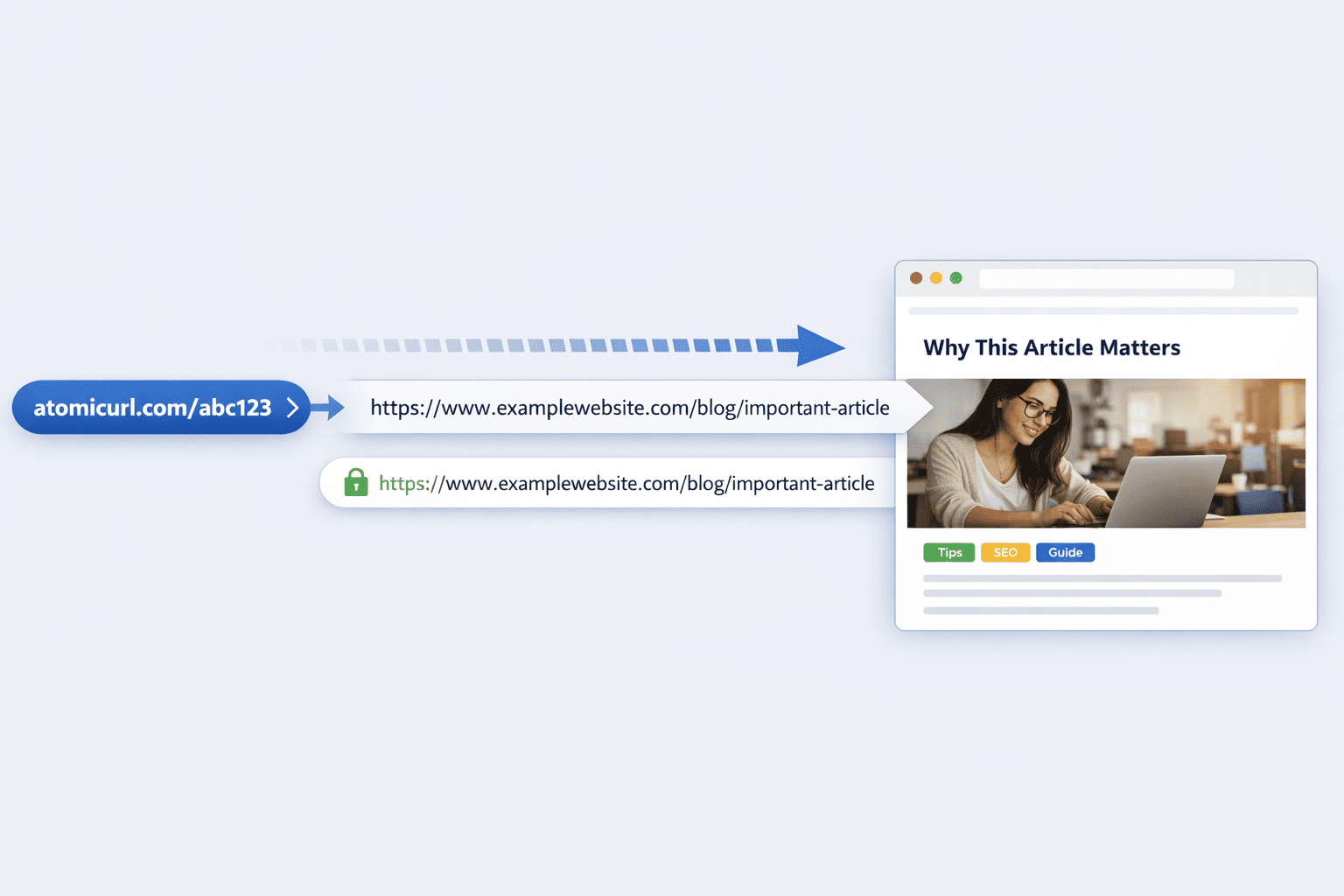
Everything in your message contributes to that assessment: the subject line, the opening sentence, whether you mentioned something specific about their background, and yes—the link. A clean, branded short link like atomicurl.com/sr-engineer-remote or atomicurl.com/design-lead-nyc reads as deliberate. It says someone made a decision about how to present this opportunity rather than just forwarding a URL from their ATS.
That's not a big thing. But recruiting is a business of many small things adding up to a relationship, and the details that communicate care are worth getting right.
The Practical Problem With Raw Job Board URLs
Most job listings on platforms like LinkedIn, Greenhouse, Lever, Workday, or any major ATS have URLs that are, diplomatically speaking, not designed for human consumption. They're functional—they work—but they're built for system integration, not for readability or trust.
When you copy a job listing URL from your ATS and paste it directly into a LinkedIn message, an email, a text message, or a WhatsApp, a few things happen. On some platforms the URL preview tries to unfurl and may show partial information. On others it just sits there as a wall of characters. In SMS or WhatsApp it often wraps across multiple lines. On mobile it's nearly impossible to share verbally or type from memory.
Short links fix all of this at once. The URL becomes one clean, short line that works in every context—a LinkedIn InMail, a casual DM, a text, a cold email, even spoken aloud in a voice message or a phone screen.
And with AtomicURL, you can make it meaningful with a custom slug that matches the role. No account needed, no sign-up friction—you paste the long URL, define the custom slug, copy the shortened version, and it's ready before you've finished drafting the rest of the message. Instant link shortening that actually fits into a workflow rather than disrupting it.
Managing a Role Inventory at Recruiting Scale
Here's what recruiting link management looks like at any kind of volume: you might be working twenty open roles simultaneously. Each role has a primary listing URL. Some roles have multiple links—one for the main job board, one for a referral landing page, one for a diversity-focused careers page. Some listings get updated URLs when the role is edited or reposted. A few roles close mid-search and the links should stop working.
Handling this without a system is how you end up sending candidates to a closed listing, or sending the wrong role link to someone you spent three weeks warming up. That kind of mistake is recoverable, but it's embarrassing and it costs you credibility at the exact moment you're trying to build it.
The URL manager at AtomicURL is where this organization happens. All your role links in one place, with the ability to update destinations without changing the link itself. When a role's listing URL changes—which happens more often than it should, for reasons that are usually out of your control—you update the destination in the manager. Every message you've already sent with that short link now redirects correctly. Candidates who come back to a message from two weeks ago and click the link land on the current version of the listing, not an outdated one.
You might notice how much of recruiter stress comes from links that should be controlled but aren't. The URL manager is the tool that makes that control real rather than aspirational.
When a Role Closes: The Link Lifecycle Nobody Manages Well
Let's talk about something that almost never gets addressed in recruiter tooling conversations: what happens to the links for filled or cancelled roles.
In most recruiting workflows, nothing happens. The role closes in the ATS, the listing expires or gets archived, and the URL either breaks or redirects to a generic careers page. But your short links for that role—the ones in your LinkedIn messages, your email threads, your referral requests—are still live. When a candidate comes back to them, they hit something unexpected.
Custom link expiry means you can set a date for a role's short link to stop working when you close the search. Or if the timing is uncertain, click-based expiry lets you deactivate the link after a specific number of accesses. Both options mean the link lifecycle is managed—the link stops being active when the role stops being active—without you having to remember to manually deactivate anything.
This sounds like a small operational improvement. But think about how it reads from the candidate's perspective. They were considering an opportunity, they come back to the link, and it's no longer active with a clear "this role has been filled" message rather than a broken redirect. That's a more professional candidate experience by a meaningful margin. And in a talent market where employer brand matters, those marginal improvements stack up.
Bulk Processing for High-Volume Hiring Campaigns
Not every recruiting situation involves individually crafted outreach. Campus recruitment, seasonal hiring ramps, volume hiring for specific programs—these involve sending large quantities of job links to large quantities of people, often through email campaigns, social posts, or job fair materials.
For these situations, processing links one at a time doesn't make operational sense. The bulk URL shortener at AtomicURL handles up to 50 URLs in a single batch. If you're loading up a hiring campaign with links to fifteen open roles across different functions, you shorten them all at once, export the results as a CSV, and work from that organized file.
That CSV becomes the link inventory for the campaign—shareable with the talent acquisition team, importable into your email platform, useful as documentation when you need to audit which links went to which audience. It removes the "which link did I use for this role again?" problem that's more common than anyone likes to admit.
LinkedIn Specifically: How Short Links Change Recruiter Outreach
LinkedIn deserves its own moment here because it's where most professional recruiting happens and it has its own link dynamics.
InMail character limits matter. A raw ATS URL eating 80 characters of a 300-character message is a meaningful proportion of your real estate. A short link uses maybe 25. That's not just cleaner—it gives you more room for the actual message, which is what gets the response.
LinkedIn also previews links in messages. A branded short link previews more cleanly than a raw ATS URL, which often generates a generic or broken preview. First impressions of a message include that preview card, and a clean preview reinforces rather than undermines the professionalism of your outreach.
For LinkedIn posts promoting open roles—not just direct outreach but broader pipeline building through content—short links in post copy look like intentional marketing rather than copy-paste operations. If you're a recruiter building a personal brand on LinkedIn by posting about opportunities, your link is part of your content.
Quick-share buttons for various social platforms mean that once you've created a short link for a role, distributing it across LinkedIn, Twitter, WhatsApp, or wherever else you're sourcing from takes seconds. One link, multiple channels, no reformatting.
QR Codes for Job Fairs and Campus Events
Recruiting doesn't all happen digitally. Job fairs, campus events, industry meetups, professional association events—in-person sourcing is still a significant part of the funnel for many roles. And at these events, the bridge between physical and digital is the QR code.
A QR code on your company booth display, your printed job listing handout, your business card, or your branded event materials that scans directly to a specific role or your careers page is a conversion path that a printed URL alone rarely achieves. People scan much more readily than they type.
AtomicURL generates QR codes directly for any short link—no separate tool, no extra step. You create the branded short link for your open role or careers landing page, download the QR code, and it's ready for your designer or print vendor. If the destination changes between when you print materials and when the event happens, you update the destination in the URL manager and the QR code continues to work correctly. No reprint needed.
For a recruiter attending multiple events over a hiring season with the same printed materials, that adaptability is worth real money.
Verifying Links Before They Go Out
In a busy recruiting operation where multiple people might be creating and sharing links—recruiters, coordinators, sourcers, hiring managers who occasionally jump in—verifying that a link points where it's supposed to before it goes out to candidates is just good practice.
The URL expander at AtomicURL lets you check where any short link leads before clicking or distributing it. For links created by colleagues, shared by vendors, or pulled from a shared folder that hasn't been audited recently—a quick expand confirms the destination. Ten seconds of verification that prevents the professional embarrassment of sending a candidate somewhere unintended.
The Simple Argument for Doing This
Recruiting is competitive on both sides. Candidates compare offers, companies, and experiences. Every touchpoint they have with you contributes to whether they accept or decline, refer someone else or stay quiet, remember your name positively or not at all.
Links are a touchpoint. They're a small one, but they're consistent and frequent—every outreach message, every job post, every follow-up email has one. Making them clean, branded, and managed doesn't require complex software, doesn't require a developer, doesn't require a budget line. It requires a tool like AtomicURL and a few minutes of deliberate setup per role.
The recruiters who land consistently strong candidates aren't doing anything magical. They're just getting more of the small things right than everyone else. Links are one of the small things. And this particular one is easier to fix than most.
Tags
#Recruiting #TalentAcquisition #URLShortener #AtomicURL #HRTech #RecruitingTips #JobListings #LinkedInRecruiting #HiringManagers #ShortLinks #EmployerBrand #TalentManagement #CandidateExperience #RecruitingTools #DigitalRecruiting
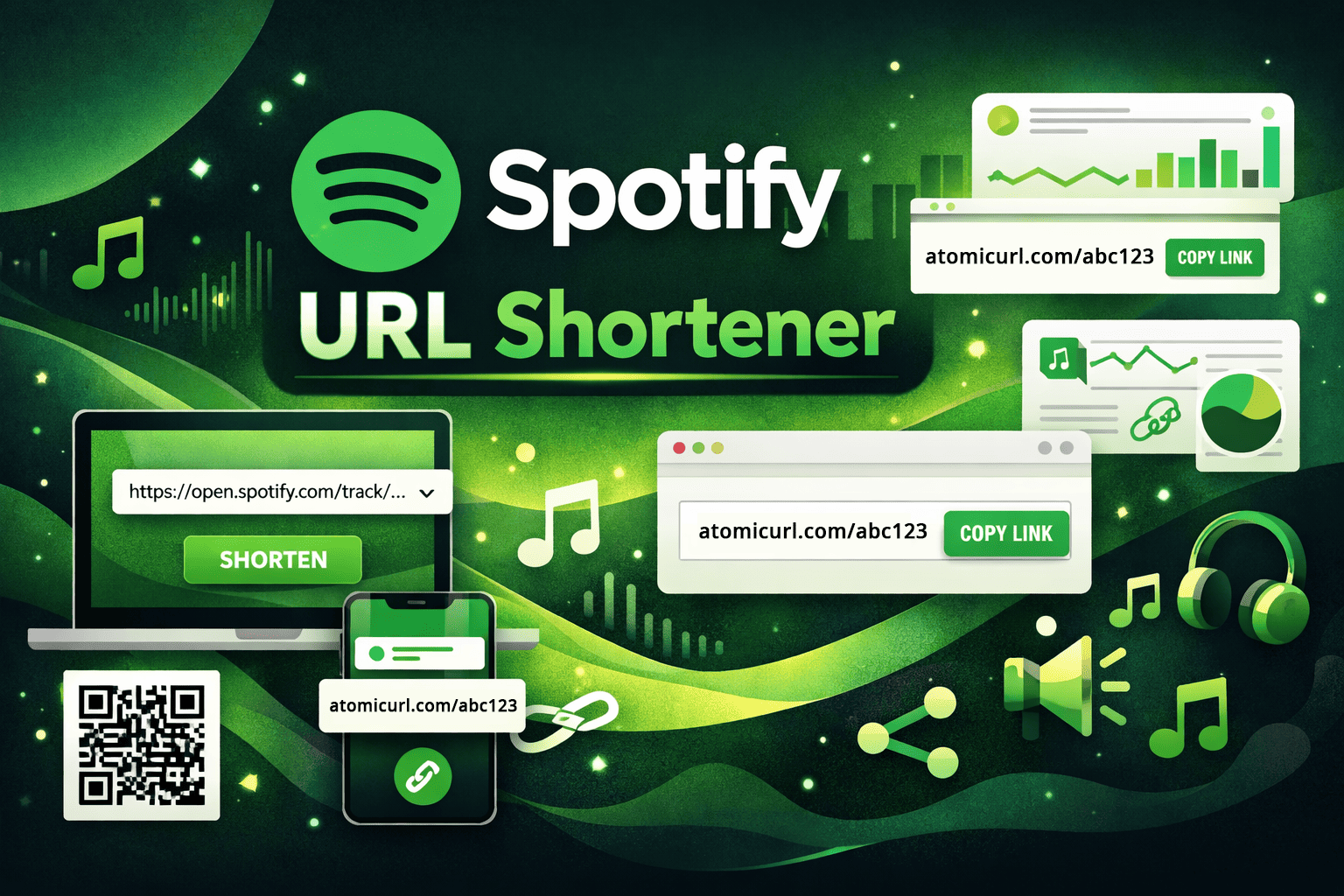
_Image_2.jpg)








.png)