_Image_2.jpg "Why Your Short Links Get Clicks on Twitter but Fail on Facebook")

It works perfectly on one platform… and completely fails on another
This is one of those things that doesn’t make sense at first.
You share a short link on Twitter, and it performs well. People click it, engage with it, maybe even share it further. It feels like things are working the way they should.
Then you take that exact same link, post it on Facebook, and suddenly… nothing. No clicks, low reach, sometimes it doesn’t even get shown properly. It feels like the link just disappears into the background.
At some point, you start wondering if something is broken. But here’s the thing—nothing is actually broken. The platforms are just very different, and those differences affect how your links behave more than most people realize.
The way people use Twitter is completely different
Let’s start with behavior, because that’s really where this begins.
On Twitter, people are used to fast, information-heavy content. They scroll quickly, but they’re also actively looking for updates, insights, threads, and resources. Clicking links is part of that experience.
In fact, links feel normal there. Expected, even.
When someone sees a short link in a tweet, they don’t overthink it. They assume it leads to something useful, and they’re already in a mindset where clicking makes sense.
So when short links get clicks on Twitter, it’s not just because of the link itself. It’s because the platform naturally supports that kind of behavior._Image_2.jpg)
Facebook is more passive than it looks
Now compare that to Facebook, and things shift a bit.
People aren’t always there to explore or discover external content. A lot of the time, they’re just scrolling casually—checking updates, watching videos, reacting to posts from friends or pages they follow.
That difference matters.
Because clicking a link on Facebook feels like leaving the platform, and users are slightly more resistant to that. It’s not a conscious decision, but it’s there in the background.
So when you notice that short links get clicks on Twitter but fail on Facebook, part of the answer is simply this: users on Facebook are less inclined to leave the app.
Facebook doesn’t really love external links
Let’s be honest for a second. Facebook prefers to keep users on its platform.
That’s how it’s designed.
Content that keeps people engaged inside the app—videos, images, discussions—tends to perform better. External links, especially ones that take users away, often get less organic reach.
So even before someone has the chance to click your link, Facebook might already be limiting how many people see it.
That alone can explain why the same short link performs so differently across platforms.
Short links can look less trustworthy on Facebook
There’s also a perception issue.
On Twitter, short links are common. Nobody questions them much. They’ve been part of the platform’s culture for years.
On Facebook, it’s a bit different.
Users are more cautious. They’re used to seeing previews, thumbnails, and clear destinations. When a link looks shortened and doesn’t show much information, it can feel slightly unclear.
Not necessarily dangerous—but uncertain.
And that uncertainty can reduce clicks, even if the content behind the link is valuable.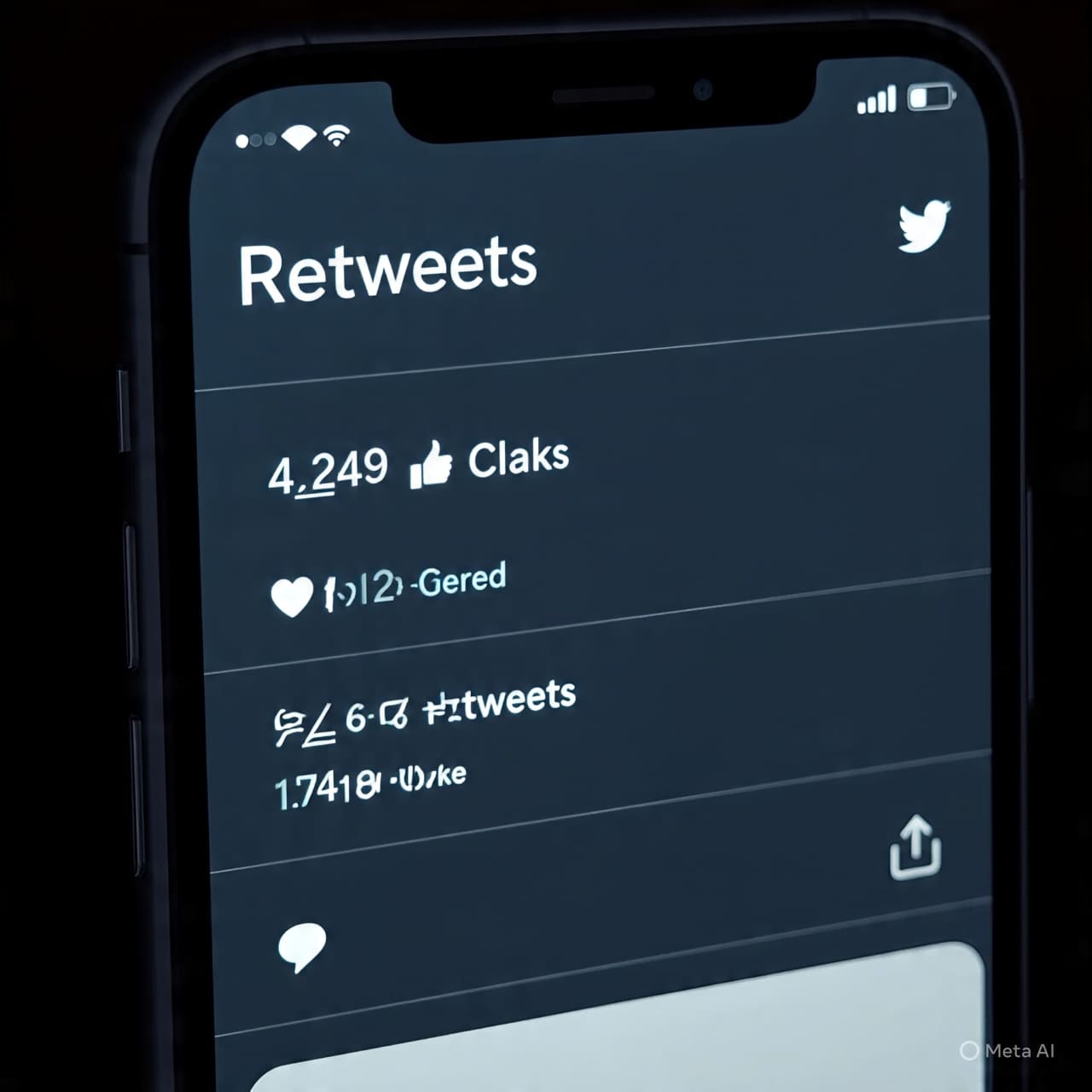
Link previews change everything
This is one of the most overlooked differences between the two platforms.
On Twitter, even short links often generate decent previews, depending on how they’re shared. And even when they don’t, users are still willing to click because the platform is more link-driven.
On Facebook, previews matter a lot more.
If your short link doesn’t generate a strong preview—something visual, clear, and relevant—it becomes easy to ignore. It blends into the feed instead of standing out.
And if the preview looks broken or missing, people simply move on.
So when short links get clicks on Twitter but fail on Facebook, sometimes it’s not about the link at all. It’s about how that link is presented visually.
Posting style plays a bigger role than expected
Here’s something you might notice if you experiment a bit.
On Twitter, you can drop a link into a tweet with minimal explanation, and it can still perform well if the topic is interesting.
On Facebook, that approach rarely works.
People expect more context. A bit of explanation. Something that makes the link feel worth clicking.
If your post looks like just a link with no real story behind it, it gets ignored.
So it’s not just the platform—it’s how your content fits into that platform’s expectations.
Frequency can work against you
Another subtle factor is how often you share links.
On Twitter, frequent posting is normal. You can share multiple links in a day, and it doesn’t feel out of place.
On Facebook, repeated link sharing can start to look promotional. Even if your content is helpful, the pattern can reduce reach or engagement over time.
This is especially true if you’re using the same short links across multiple posts or groups.
So when you’re trying to understand why short links get clicks on Twitter but fail on Facebook, it’s worth looking at how often—and how aggressively—you’re sharing them.
Timing and lifespan are completely different
Tweets move fast. They have a short lifespan, and most engagement happens quickly.
Facebook posts, on the other hand, can linger longer but depend more on early engagement to gain momentum.
If your Facebook post doesn’t get interaction early on, it’s less likely to spread. And if your link doesn’t look engaging right away, it may never get the chance.
This creates a kind of pressure where everything—your text, your link, your preview—needs to work together immediately.
The “why should I click?” question is stronger on Facebook
This is something you start noticing after spending time on both platforms.
On Twitter, curiosity often drives clicks. People are used to exploring threads, resources, and quick insights.
On Facebook, the question becomes more practical: “Why should I click this?”
If that answer isn’t clear, people don’t bother.
So even if your short link is perfectly fine, it needs stronger context and a clearer reason behind it on Facebook compared to Twitter.
So what actually helps?
There’s no single fix, but there are a few adjustments that make a noticeable difference.
First, add context around your link. Don’t just drop it—explain why it matters. Give people a reason to care before they click.
Second, pay attention to how your link looks when shared. Make sure it generates a proper preview with a clear image and title.
Third, avoid over-posting the same link. Spread things out and vary your content so it feels more natural.
And maybe most importantly, adjust your expectations. What works on Twitter won’t always translate directly to Facebook.
A small mindset shift that helps
Instead of thinking, “Why isn’t this link working?” it can help to ask, “Does this fit the way people use this platform?”
Because that’s really what it comes down to.
Twitter rewards speed and curiosity. Facebook rewards context and engagement.
Your link isn’t failing—it’s just being used in a different environment.
Let’s be honest
It’s tempting to look for a technical explanation, something simple like “short links don’t work on Facebook.”
But that’s not really true.
They do work. Just not in the same way.
And once you understand that difference, things start to feel less frustrating and more manageable.
Conclusion
The reason short links get clicks on Twitter but fail on Facebook isn’t about the link itself. It’s about behavior, expectations, and how each platform is designed.
Twitter encourages exploration and quick interaction, which naturally supports link clicks. Facebook, on the other hand, prioritizes content that keeps users inside the platform and requires more context before people take action.
When you adjust your approach—adding context, improving presentation, and aligning with platform behavior—you start to see better results.
Not instantly, but gradually.
And in most cases, that gradual improvement is what leads to consistent growth.
FAQs
1. Why do my links perform better on Twitter than Facebook?
Because Twitter users are more likely to click external links, while Facebook prioritizes content that keeps users on the platform.
2. Do short links reduce reach on Facebook?
Not directly, but Facebook may limit posts with external links, especially if they appear overly promotional.
3. How can I improve link clicks on Facebook?
Add context, use strong previews, and avoid posting links too frequently.
4. Are short links safe to use on social media?
Yes, but they should be used carefully with clear context to maintain trust.
5. Should I use different links for different platforms?
Yes, adapting your strategy for each platform often improves performance.
Tags
#socialmediamarketing #shortlinks #twittermarketing #facebookmarketing #digitalstrategy #linktracking #contentstrategy #onlinetraffic #marketingtips #growth







.png)