
If you've ever handed someone a ticket with a URL that looked like it was generated by a keyboard smashing accident—you already know the problem. Long, ugly links don't just look bad. They confuse attendees, break in text messages, and honestly, they make your event look less professional than it probably is.
Here's the thing: ticketing logistics is one of those things that doesn't get enough attention in event planning. Everyone focuses on the venue, the lineup, the catering—and then the ticket confirmation email goes out with a 90-character URL and nobody blinks. Until someone screenshots it and posts it, and the link breaks. Or worse, the person can't type it out manually and just doesn't show up.
Short links and QR codes have quietly become one of the most practical tools in event management. Not flashy, not complicated—just genuinely useful when you know how to use them right.
The Real Problem With Ticket Links Nobody Talks About
Let's be honest about how people actually receive event tickets. Some get an email. Some get a WhatsApp forward. Some see a poster on the street or a flyer at a coffee shop. The point of entry varies wildly, and your ticketing link needs to work across all of them.
A long URL on a printed flyer is basically useless. Nobody is typing out https://yourticketingplatform.com/events/summer-festival-2025/registration?ref=email&campaign=early-bird&discount=true. That's not a ticket link—that's a punishment.
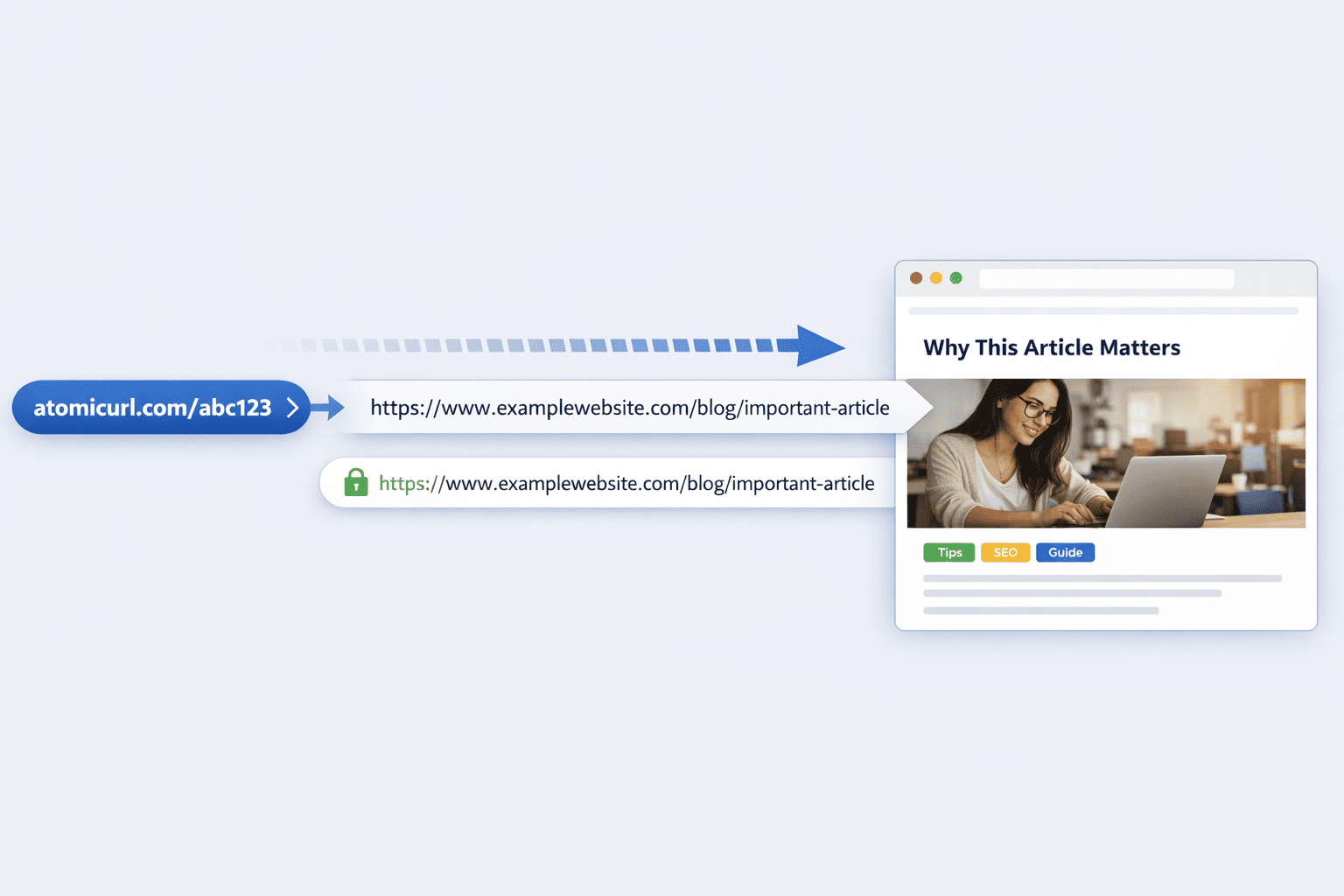
Shortened links solve this immediately. Something like atomicurl.com/summerfest25 is clean, memorable, and actually scannable in conversation. People will type it. People will remember it. And if someone shares it verbally, the person on the other end has a fighting chance.
But short links aren't just about aesthetics. When you use a tool like AtomicURL, you get features that fundamentally change how you can manage ticketing links—before, during, and after the event.
QR Codes Are Having a Genuine Moment (And It Makes Sense)
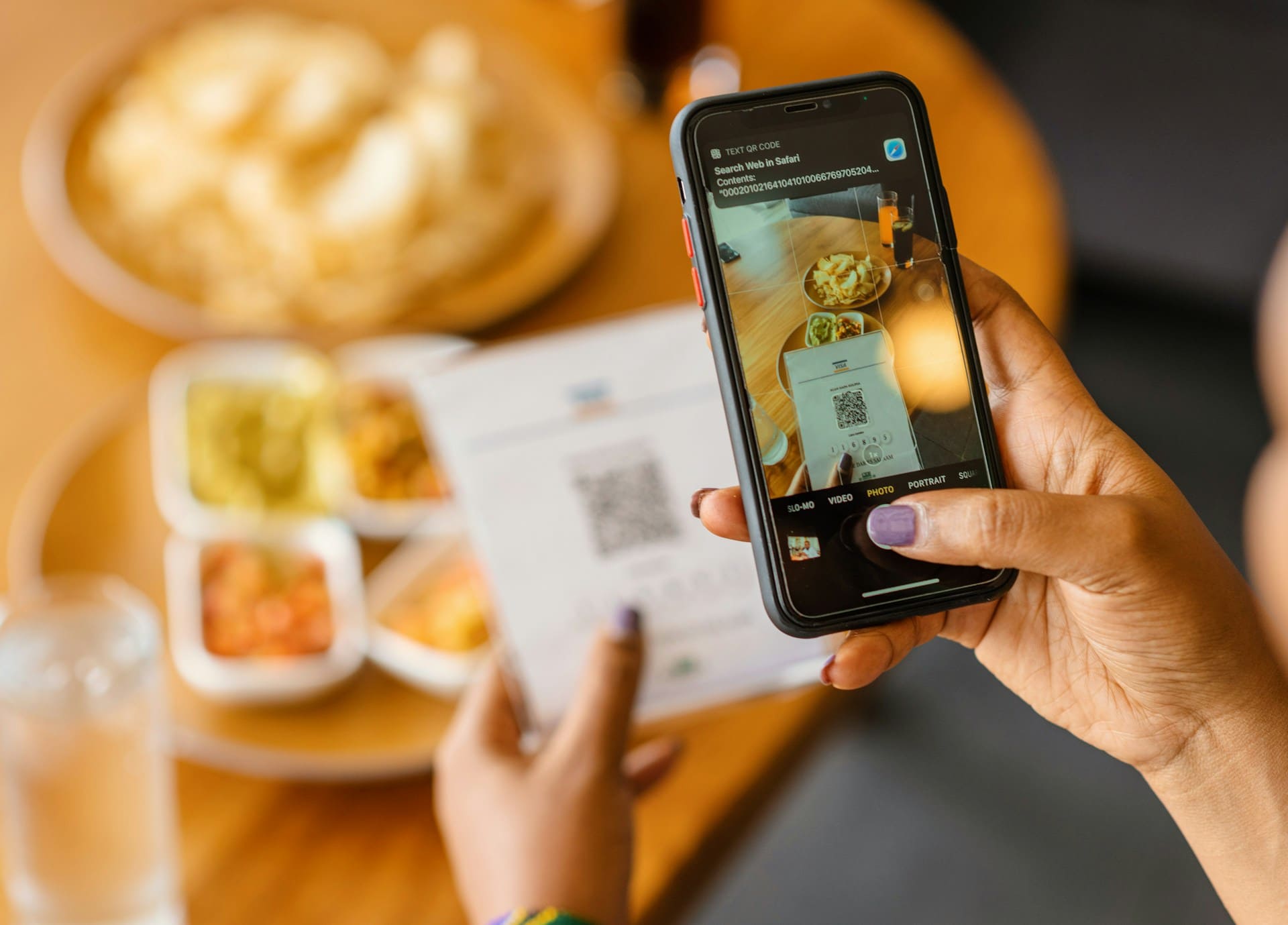
QR codes got a bad reputation for years. Clunky, slow, required a third-party app—people avoided them. Then the pandemic happened and suddenly every restaurant menu was a QR code, and people figured out their phone camera just... reads them now. That shift changed everything.
For event organizers, QR codes are now one of the most reliable ways to move people from physical marketing to digital ticket registration. Put a QR code on your poster. On your banner. On a table tent at a partner venue. On a business card you hand out at a networking event.
Someone points their phone, and they're at the ticket page in two seconds. No typing. No searching. Just friction-free access.
The key is that your QR code needs to point somewhere clean and reliable. If you're generating a QR code that leads to a 200-character URL, you've created a more complex QR code that's harder to scan, especially at smaller print sizes. Shorten the link first, then generate the QR code. The result is simpler, cleaner, and scans faster.
With AtomicURL, you can generate and download QR codes directly—no separate tool required. That's one less step in your workflow, which genuinely matters when you're managing a hundred other things before an event.
Customizable Links Change the Way Attendees Think About Your Event
There's a subtle but real psychological difference between a generic shortened link and a branded one. atomicurl.com/rooftopgala feels intentional. It signals that the organizer put thought into the experience. Small thing, yes—but event organizing is a business of small things adding up.
Customizable links let you match the link to the event name, the theme, the vibe. Running a charity run? /giveback5k. Corporate conference? /summit2025. It's not just branding—it helps attendees trust the link when they see it shared by someone else. Branded short links look less like spam.
And since AtomicURL doesn't require sign-up to get started, you can test this out immediately without committing to anything.
Managing Multiple Ticket Types? Bulk Shortening Is Worth Knowing About
Here's a scenario that's more common than people admit: you have one event, but five different ticket tiers. General admission. VIP. Early bird. Group discount. Press access. Each tier has its own registration URL. Each URL is long.
If you're manually shortening each one, that's tedious and introduces room for error. One wrong link in one email and you've got confused attendees landing on the wrong page.
The bulk URL shortener at AtomicURL lets you shorten up to 50 URLs at once. You paste them in, you get shortened versions out. It's not complicated—that's the point. You can also export everything as a CSV file, which is perfect if you're dropping these into a spreadsheet or handing them off to someone else on your team.
That CSV export feature is genuinely underrated for events with multiple organizers. Instead of screenshotting links or copy-pasting into Slack, you've got a clean file that can be shared, filed, and referenced later.
The Security Side of Ticketing Links (This Is Often Overlooked)
Not every ticket link should be accessible to everyone. Maybe you're running a private event and you want to make sure only people who've already paid can access the confirmation page. Maybe you've got an early access link for a select group and you don't want it circulating publicly.
This is where features like password-protected links, one-time links, and click-based expiry become actually meaningful—not just technical specs, but real tools for real situations.
A one-time link is exactly what it sounds like—it can only be opened once. Send it to a VIP attendee and you know it hasn't been forwarded and reused. A password-protected link means only people with the password can access what's behind it. Useful for exclusive pre-sales or invite-only events.
Click-based expiry and custom link expiry give you control over when a link stops working. Early bird pricing ends at midnight? Set the link to expire at midnight. That's cleaner than manually updating or removing links later.
These features, available through AtomicURL's URL manager, turn a simple short link into something closer to access control—without needing a complicated software setup.
Sharing Ticket Links Across Social Media Without the Chaos
Every platform has its own quirks. Twitter has character limits. Instagram doesn't allow clickable links in posts. Facebook clips long links. LinkedIn has its own preview behavior. If you're sharing your ticket link across all of these, you're managing a lot of variables.
AtomicURL includes quick-share buttons for various social media platforms, which makes it easier to push a link out without manually formatting it for each one. It's a small convenience, but when you're doing pre-event promotion across five platforms in a single afternoon, small conveniences add up fast.
And because the links are short to begin with, they fit naturally into any format. No awkward truncation. No "link in bio" workaround required (though Instagram still needs that—no tool fixes Instagram).
What Happens If Someone Shares a Link They Don't Recognize?
Occasionally an attendee will forward a ticket link to a friend, and that friend—reasonably cautious—wants to know what it actually leads to before clicking. That's fair behavior in 2025.
AtomicURL has a URL expander that lets anyone check where a short link actually goes before clicking it. It's a transparency feature that builds trust—something worth mentioning in your event communications if you want to reassure cautious attendees that your links are legit.
For Smaller Events, This Stuff Matters Even More
There's sometimes an assumption that these tools are for big productions—festivals, conferences, large-scale concerts. But honestly, smaller events benefit more.
If you're organizing a community workshop, a local gallery opening, or a neighborhood fundraiser dinner, you probably don't have a dedicated tech team. You're doing everything yourself or with one other person. That's exactly when having tools that are easy to use, require no sign-up, work instantly, and handle unlimited links becomes a significant advantage rather than a nice-to-have.
Lightning-fast redirection and reliable performance matter when someone scans your QR code at the venue entrance and you need them through the page in under three seconds. No buffering. No errors. Just a smooth experience that reflects well on your event.
Wrapping It Up (Without the Generic Conclusion)
Short links and QR codes aren't revolutionary technology. They've been around. But the way they've been integrated into practical event management tools has quietly gotten really good—and most event organizers are still using URLs that look like server logs.
If you're planning an event—any event—take 20 minutes to explore what AtomicURL offers. Shorten your ticket links. Generate your QR codes. Set expiry dates on early-bird links. Password-protect your VIP access pages. Export your link list as a CSV so your team has it in writing.
It won't solve every logistics problem. But it will solve the ones that make your attendees' experience feel rough before the event even starts. And that's worth something.
Tags
#EventPlanning #QRCodes #ShortLinks #EventTicketing #EventManagement #DigitalMarketing #URLShortener #EventProfs #TicketingTips #AtomicURL #MarketingTools #EventTech
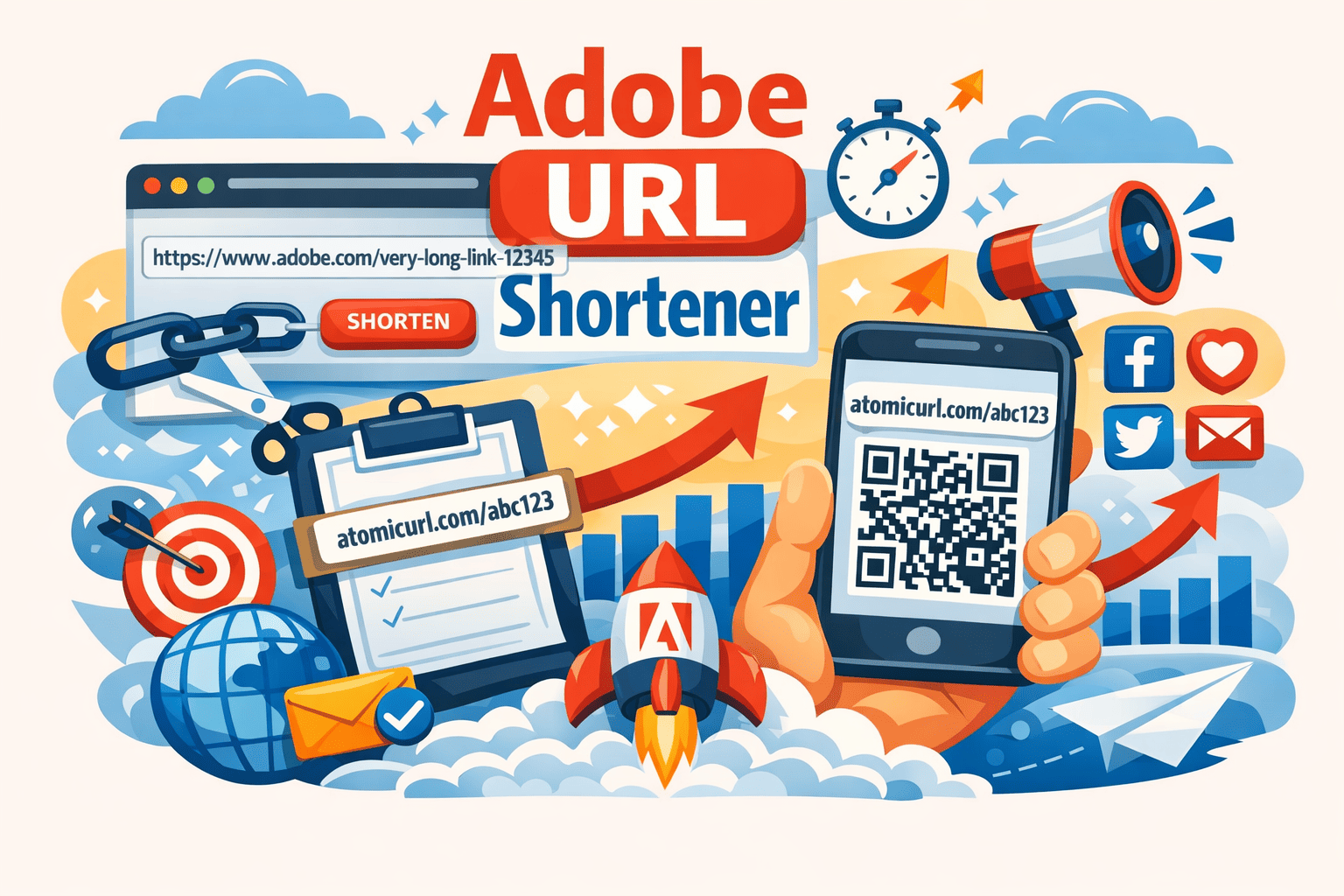
_Image_2.jpg)





.png)