
If you’ve ever looked at a long, messy URL and thought, “There’s no way I’m clicking that,” you’re not alone.
But then again… not all long URLs are bad. And not all short ones are good either.
That’s where things get a bit confusing.
The whole “short URLs vs long URLs” debate isn’t as straightforward as people make it sound. It’s not really about length alone—it’s about how that length affects trust, clarity, and ultimately, performance.
And honestly, once you start paying attention to how people interact with links, you realize there’s more going on here than just aesthetics.
So, What Are We Really Comparing?
Before getting into which performs better, it helps to clarify what we’re actually talking about.
A long URL isn’t just “long.” It’s usually detailed, sometimes messy, often packed with parameters, categories, or tracking codes.
Something like:
yourwebsite.com/blog/seo/2026/short-urls-vs-long-urls-performance-guide?ref=twitter&utm_campaign=spring
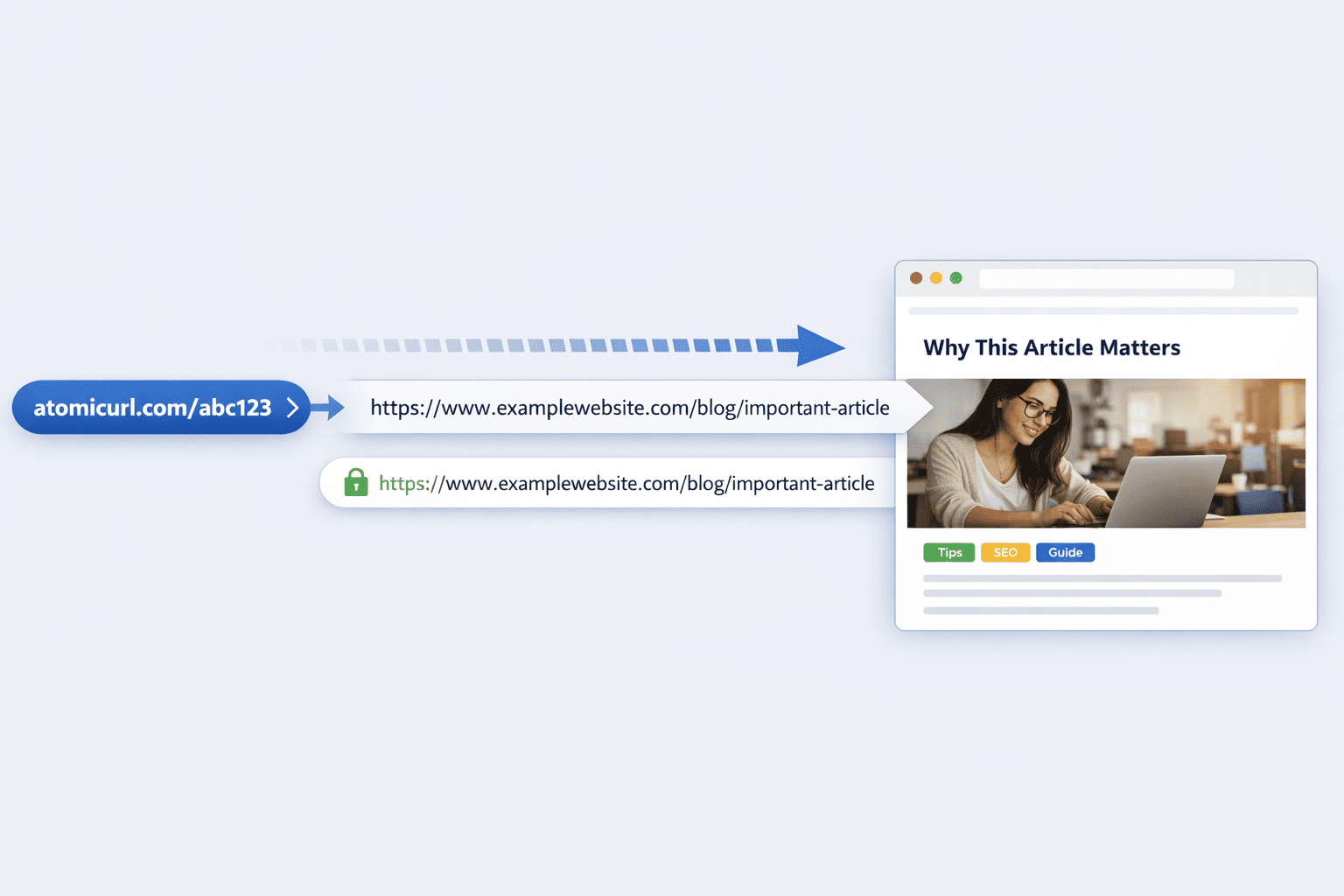
A short URL, on the other hand, trims all that down into something simpler:
yourbrand.link/url-guide
Cleaner. Easier to read. Less intimidating.
But here’s the catch—short doesn’t always mean better, and long doesn’t always mean worse.
First Impressions: Where Short URLs Usually Win
Let’s start with the obvious part.
When it comes to first impressions, short URLs tend to have the upper hand.
They’re easier on the eyes. They don’t overwhelm the reader. And in fast-moving environments—like social media or mobile browsing—that simplicity matters.
You might notice this yourself. When scrolling quickly, a short, clean link feels more approachable. It doesn’t demand extra effort to understand.
And that small reduction in effort? It often leads to more clicks.
Not dramatically more, but enough to notice over time.
But Long URLs Have Something Important Too—Clarity
Now here’s where it gets interesting.
Long URLs, when structured properly, can actually provide clarity.
For example:
yourwebsite.com/healthy-recipes/quick-breakfast-ideas
You already know what you’re getting into before clicking.
That kind of transparency builds trust in a different way. Instead of relying on branding, it relies on information.
So while short URLs reduce friction visually, long URLs can reduce uncertainty through detail.
Different strengths. Different situations.
The Trust Factor (And Why It’s Not Always Obvious)
Trust plays a huge role in how links perform.
But trust doesn’t come from just one thing—it’s a mix of signals.
Short URLs build trust through simplicity and, if branded, familiarity.
Long URLs build trust through transparency and context.
Here’s the thing, though.
A random short link with no branding? That can actually feel less trustworthy than a clear, descriptive long URL.
So it’s not really “short vs long.”
It’s “clear vs unclear.”
Click-Through Rates: Where the Real Comparison Happens
If we’re talking performance, CTR is where most people look first.
And generally speaking, short URLs tend to perform slightly better in environments where attention is limited.
Think:
- Social media feeds
- Email subject lines
- Mobile screens
In these cases, shorter links are easier to process quickly.
But in search results or content-heavy environments, long URLs can sometimes hold their own—especially if they reinforce what the user is already expecting.
So again, context matters.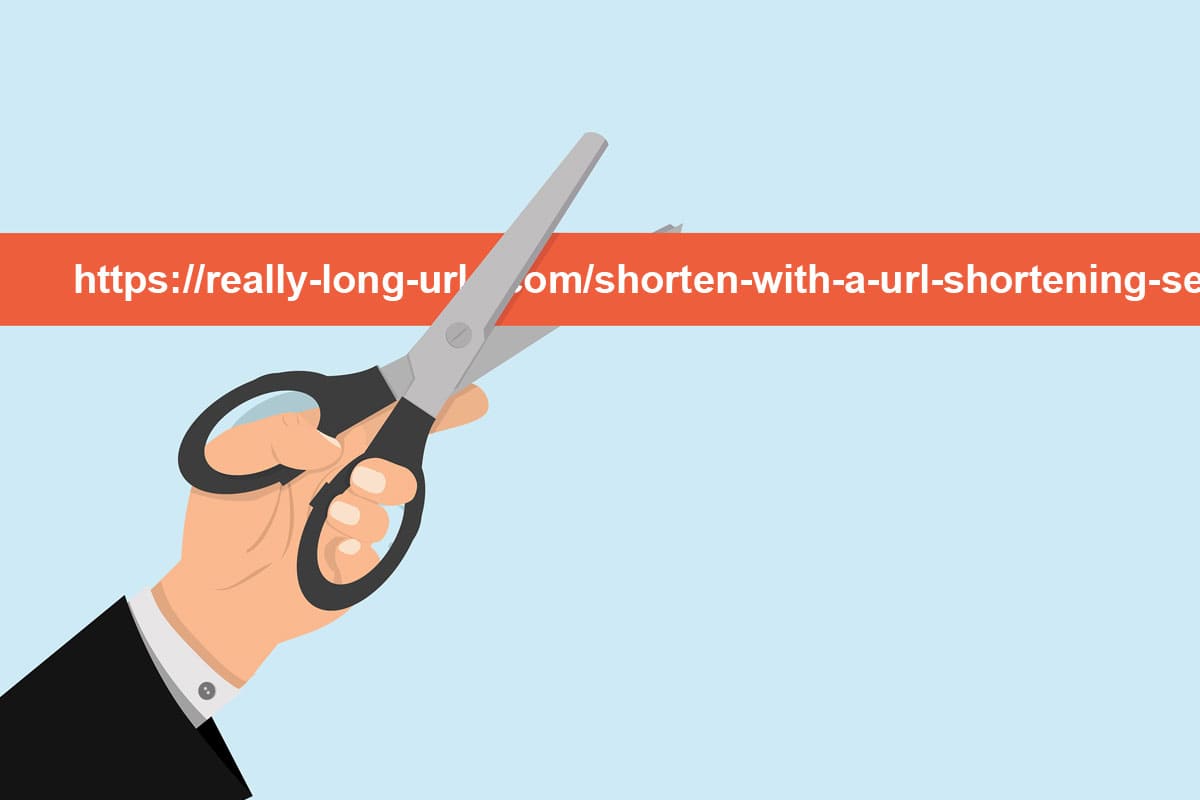
A Small Personal Observation
This might sound simple, but it’s something I’ve noticed repeatedly.
When I see a short, branded link, I click without thinking too much.
When I see a long, descriptive URL, I scan it quickly, then decide.
When I see a messy, confusing link—short or long—I usually skip it.
That last part is important.
Performance isn’t just about length. It’s about how the link feels.
SEO Perspective: Does Length Really Matter?
Let’s clear this up.
From a pure SEO standpoint, URL length itself isn’t a major ranking factor.
Search engines care more about:
- Relevance
- Structure
- Keywords (to some extent)
A clean, descriptive URL can help with understanding content, but making it shorter doesn’t automatically improve rankings.
What does matter is how users interact with your link.
If shorter URLs improve clicks and engagement, that can indirectly support your SEO performance.
Where Short URLs Shine the Most
Short URLs tend to perform best when:
- You’re sharing links externally
- Space is limited
- Speed matters
- Branding is involved
For example, in social media campaigns, a short link fits naturally into the flow. It doesn’t distract or overwhelm.
It just sits there, clean and clickable.
Where Long URLs Still Make Sense
Long URLs aren’t outdated—they just need to be used correctly.
They work well when:
- Users need context before clicking
- The link is part of your website structure
- Transparency is important
A well-structured long URL can actually reinforce trust, especially when users are already engaged with your content.
The Real Problem: Poorly Structured URLs
Let’s be honest—most issues don’t come from length.
They come from bad structures.
A long URL filled with random parameters? Confusing.
A short URL with no branding? Suspicious.
Both can hurt performance.
But a clean long URL or a well-branded short one? Both can work really well.
So… Which One Performs Better?
This is the part everyone wants a simple answer to.
And the honest answer is: it depends on where and how you use it.
Short URLs usually win in:
- Fast-paced environments
- External sharing
- Mobile-first interactions
Long URLs can perform just as well in:
- SEO-focused pages
- Internal linking
- Situations where clarity matters more than speed
It’s less about choosing one and more about using each where it makes sense.
A More Balanced Approach
Instead of picking a side, a smarter approach is to use both strategically.
Keep your website URLs clean and descriptive.
Use short URLs for sharing, campaigns, and external visibility.
That way, you get the best of both worlds—clarity and simplicity.
Final Thoughts
The debate around short URLs vs long URLs often misses the bigger picture.
It’s not really about length.
It’s about experience.
How does the link look?
How does it feel?
Does it make clicking easier—or harder?
Those questions matter more than the number of characters in your URL.
Because at the end of the day, performance isn’t just technical—it’s human.
And humans don’t click based on length alone.
FAQs
1. Are short URLs better for SEO?
Not directly, but they can improve click-through rates and user engagement.
2. Do long URLs hurt performance?
Not necessarily—if they are clean and descriptive, they can still perform well.
3. Which is better for social media?
Short URLs usually perform better due to limited space and faster readability.
4. Should I shorten all my links?
No, use short URLs mainly for external sharing, not internal website structure.
5. Do users trust long URLs more?
Sometimes, especially when they clearly describe the destination.
Tags
#ShortURLs #LongURLs #SEOTips #DigitalMarketing #CTR #ContentStrategy #BloggingTips #MarketingInsights #SEO2026 #OnlineGrowth
_Image_2.jpg)







.png)