
Event planning is one of those jobs where a hundred small things can go wrong, and most of them are nobody's fault. Venue issues, catering miscommunications, weather on the day—the big stuff gets planned for. It's the small stuff that quietly creates chaos: a registration link that stopped working, an RSVP form that expired before the deadline, a promotional link that went out with a typo. Things that seem minor until they're not.
Link management sits squarely in that "small stuff that becomes big stuff" category. And yet most event planners treat it as an afterthought right up until something breaks.
The Link Problem Nobody Talks About in Event Planning
Think through how many URLs a single event generates. There's the main event page. The ticketing or registration link. The venue map. The schedule PDF. The speaker bio page if it's a conference. Separate links for VIP access, general admission, media registration. Links for early bird pricing that should stop working after a certain date. Links for sponsors that need to stay live indefinitely. Post-event survey links that should only go to people who attended.
That's easily a dozen distinct links for one event of moderate complexity. For a larger conference or festival, you might be managing fifty or more. And each of those links gets distributed across email campaigns, social media posts, printed programs, sponsor deliverables, staff communications, and press outreach—often with different versions for different audiences.
Here's the thing most event planners discover the hard way: when a link breaks, changes, or goes somewhere wrong, you can't unring that bell. The email is already in 3,000 inboxes. The flyer is already printed. The press release is already live. Your only option is to get ahead of it as quickly as possible, which is dramatically easier when you have centralized control over where every link points.
Building Your Event Link System from the Start
The most useful mindset shift for event planners managing links is this: every link you distribute is a managed asset, not a one-and-done action. It might need to be updated. It might need to be deactivated. It might need to behave differently for different time windows or different audiences. Planning for that at the beginning is far easier than reacting to it in the middle of an event cycle.
AtomicURL gives you the infrastructure to actually do this. No account setup, no complex onboarding—you go to the site, create a short link, and it's live immediately. But behind that simplicity is a set of controls that genuinely change how link management works for complex, time-sensitive situations like events.
Customizable links mean every URL you create carries intent. /rsvp-corporate-dinner, /vip-access-gala, /speaker-registration-summit — these are links that tell you and your team exactly what they're for, that look professional when recipients see them, and that reduce the chance of anyone sending the wrong link to the wrong audience because everything is clearly labeled.
RSVPs and Registration: Automating the Lifecycle
Registration links are the highest-stakes URLs in event planning. They need to be live when you want people registering, and they need to stop working when you don't. Sounds simple. In practice, "remember to deactivate the registration link at midnight before the event" is exactly the kind of task that gets missed when you're coordinating a dozen other last-minute logistics.
Custom link expiry solves this cleanly. When you create your registration short link, you set a date and time for it to expire. The link stops working automatically—no reminder needed, no late-night manual deactivation, no risk that someone registers at 2am the morning of your event when all your capacity confirmation processes are already closed.
For events with genuine capacity limits, click-based expiry takes this a step further. You set a maximum click count—say, 200 for a venue with a 200-person capacity—and the link deactivates after that many clicks. This doesn't perfectly map to confirmed registrations (some clickers won't complete the form), but with a sensible buffer it's a solid way to cap the flow of traffic to your registration page without monitoring it manually.
Let's be honest: the alternative—checking your registration numbers every few hours and trying to catch the moment you hit capacity—is both unreliable and stressful. Automation that enforces the cap for you is worth the thirty seconds it takes to configure.
Early Bird Pricing, Phased Ticketing, and Sequential Links
Most events with any commercial component use some form of phased ticketing: early bird pricing that ends on a specific date, then standard pricing, then potentially a final push at a different price point. Each phase might have its own registration page or ticketing URL.
Managing this manually means someone needs to update the promotional link—in emails, social posts, everywhere it appears—each time the phase changes. In practice, that means inconsistency: some places get updated, others don't, and early-bird seekers end up clicking links that go somewhere they weren't supposed to go.
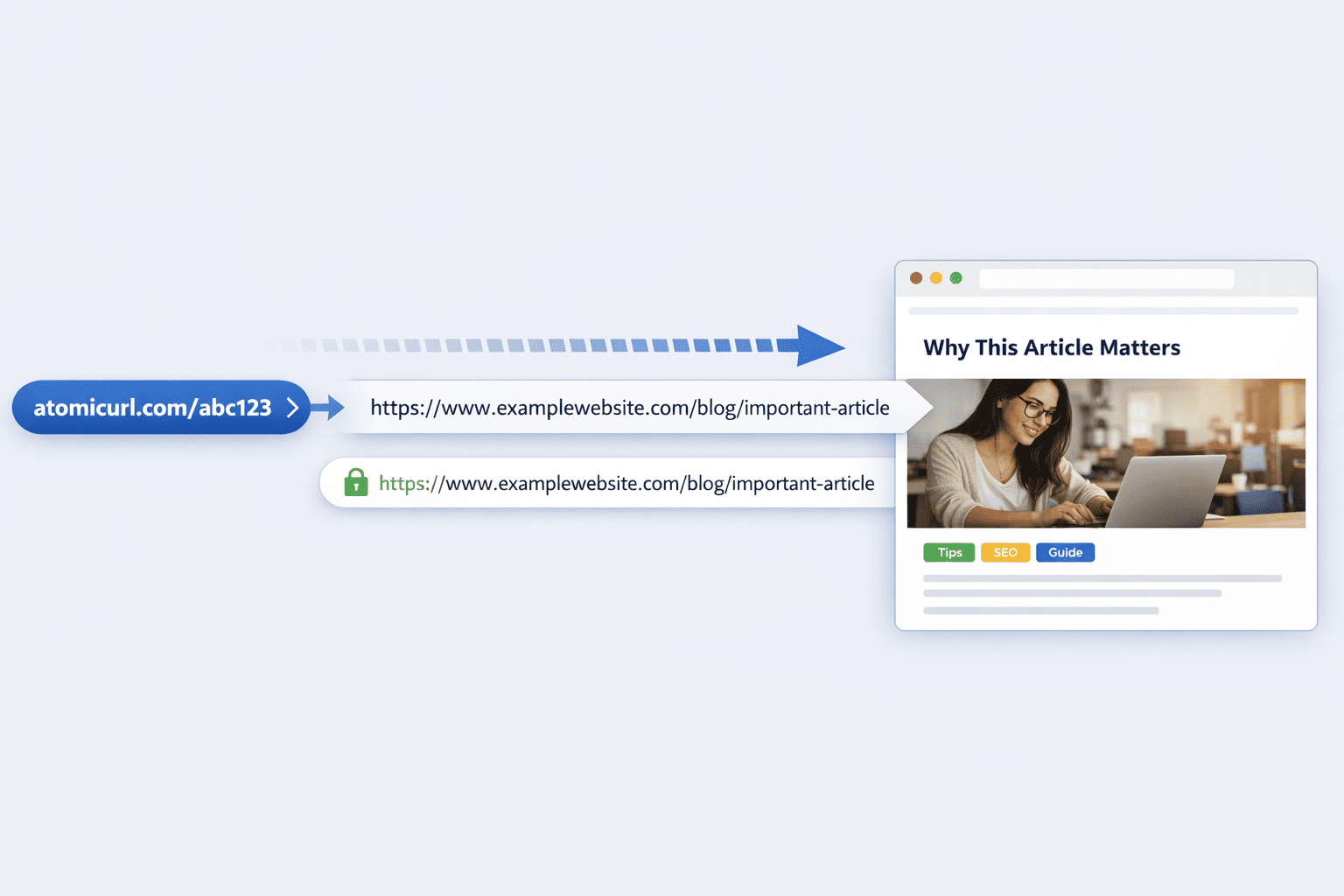
The URL manager at AtomicURL handles this elegantly. You create one short link—/register or /tickets—that you use everywhere across all your promotional materials. When the early-bird phase ends and the destination URL changes to the standard pricing page, you update the destination in the URL manager. The short link stays the same everywhere it's been distributed. The destination updates everywhere simultaneously.
Printed materials, social posts, press releases, sponsor co-promotions, influencer mentions—everything that's already gone out keeps working correctly. No chasing down old links. No explaining to partners that the link they shared needs to be updated. The single short link is the consistent touchpoint; only what it points to changes.
VIP Access, Private Events, and Controlled Entry
Not every event is public, and not every registration link should be accessible to everyone. Private corporate events, invitation-only gala evenings, press-only briefings, backstage access for VIP ticket holders—these need links that function as controlled access points, not open doorways.
Password-protected links are the clean solution here. You create a short link for VIP registration and assign a password. The link can be distributed openly—via email, a save-the-date, a personal message—but only recipients who have the password can access the registration page behind it. Even if the link gets forwarded or shared outside your intended list, access stays controlled.
One-time links take this further for situations where you're granting access to a specific individual. Send a unique registration link to each VIP invitee, and the link works exactly once—for them, at the moment they use it. It can't be forwarded and used by someone else. For high-end events with limited VIP inventory, this is the kind of access control that was previously only achievable with custom development or expensive event management software.
These aren't niche use cases. Any event planner who has ever dealt with uninvited guests who "found the registration link online" knows exactly why access-controlled URLs are worth caring about.
QR Codes Are Now Core Event Infrastructure
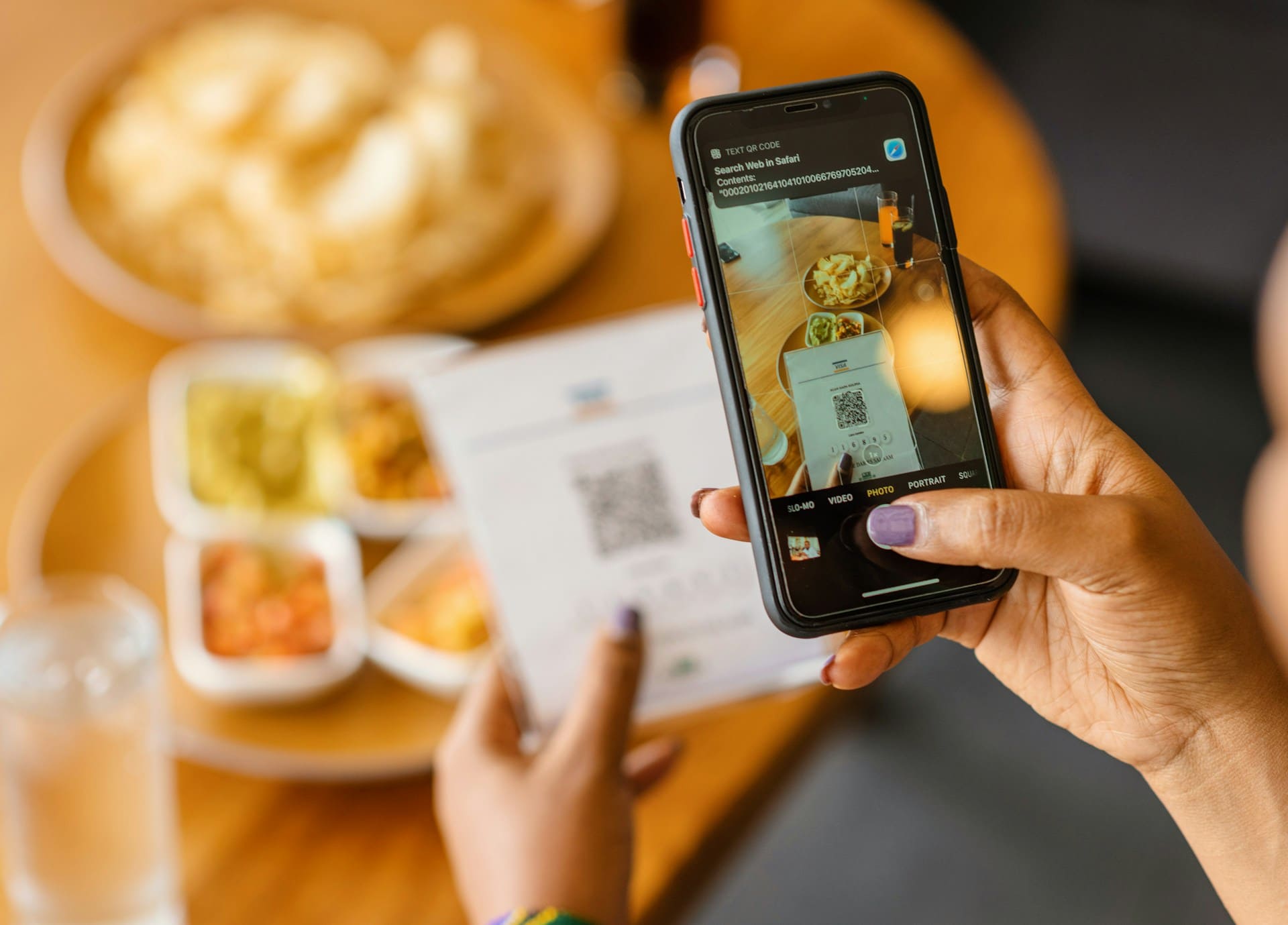
The shift toward QR codes at events has been comprehensive and probably permanent. Registration check-in, venue maps, schedule access, session feedback forms, sponsor activations, post-event surveys—QR codes handle all of it more smoothly than alternatives, and attendees are comfortable with them in a way they weren't before 2020.
What makes QR codes work well in event contexts is the link management behind them. A QR code that points to a fixed URL is a liability if that URL changes. A QR code pointing to a managed short link is adaptable—update the destination in the URL manager and the QR code in the physical world continues to work correctly without being reprinted.
AtomicURL generates and downloads QR codes directly for any short link. You create the branded short link for your event check-in page, generate the QR code, and your operations team has a print-ready file without needing a separate QR code tool. When you have multiple QR codes to produce—one for each sponsor booth, one for each session room, one for the event program, one for merchandise—the workflow stays in one place rather than bouncing between platforms.
For events using printed programs, signage, or branded collateral, having QR codes that point to managed short links means your printed materials stay valid even if something changes after they go to print. That's a real cost saver and a significant reduction in logistical risk.
Promotion Across Channels Without Duplicate Effort
Event promotion typically runs across multiple channels simultaneously—email, Instagram, Facebook, LinkedIn, event listing sites, partner communications. Keeping the links consistent across all of those channels is harder than it sounds when each platform gets slightly different copy and each team member might be creating their own version of the registration link.
The bulk URL shortener helps when you're setting up a full promotion campaign and need multiple links processed quickly. If you have different destination URLs for different audience segments, different event dates in a series, or different ticket tiers, you can shorten up to 50 at once and export the results as a CSV. That CSV becomes the master link document shared with your team, your PR contact, your sponsor account managers—a single source of truth that prevents the "which link am I supposed to use?" confusion that crops up in every multi-channel campaign.
Quick-share buttons for various social platforms mean that once a link is created, pushing it to your event's social channels is a few clicks rather than a copy-paste loop across five platforms. When you're managing event promotion alongside everything else that happens in the weeks before an event, that kind of small efficiency genuinely matters.
After the Event: Surveys, Recaps, and Ongoing Engagement
The event ends, but the links don't. Post-event surveys, photo gallery links, session recordings, thank-you page URLs, next-event announcements—all of these are link management situations that most event planners handle ad hoc because the event is "over."
Managing these links with the same intention as pre-event registration links pays off. A survey link with a click-based expiry closes when you have enough responses. A recording link with a custom expiry stops being accessible after a set period if your content licensing requires it. A photo gallery link that you only want active during the week after the event can be set to expire automatically.
And if you receive links from vendors, AV partners, or co-hosts that you're not sure about—a link to a shared file, a streaming platform URL, a third-party registration integration—the URL expander at AtomicURL lets you verify where any short link leads before you distribute it to your attendee list. Takes ten seconds and removes the risk of accidentally sending guests to an incorrect or unexpected destination.
What This Looks Like in Practice
A realistic event link workflow using AtomicURL might look like this: you're planning a 300-person industry conference. You create branded short links for each audience segment's registration, each sponsor, the venue map, the agenda page, and the VIP session. You use bulk shortening to process the batch and export the CSV for your team. You set custom expiry dates on all registration links to match each phase of ticket sales. You generate QR codes for your printed program and session signage. During the event, you handle two destination updates through the URL manager when last-minute changes happen—no printed materials are affected. Post-event, the survey link closes automatically after two weeks.
None of that requires a developer. None of it requires a premium event management platform subscription. It requires a clear approach and a tool that gives you the controls to execute it.
AtomicURL is that tool—free to use, no account required, designed for exactly this kind of controlled, managed link workflow. Event planning has enough variables outside your control. The links shouldn't be one of them.
Tags
#EventPlanning #EventManagement #ShortLinks #URLShortener #AtomicURL #EventMarketing #RSVPManagement #EventProfs #QRCodes #LinkManagement #CorporateEvents #EventTech #DigitalMarketing #EventPromotion #ConferenceMarketing
_Image_2.jpg)





.png)